


What Do BC Kidlit Writers Read to their kids?
8 min read
Kidlit is evolving, with graphic novels booming and reaching a wider age range than ever before.
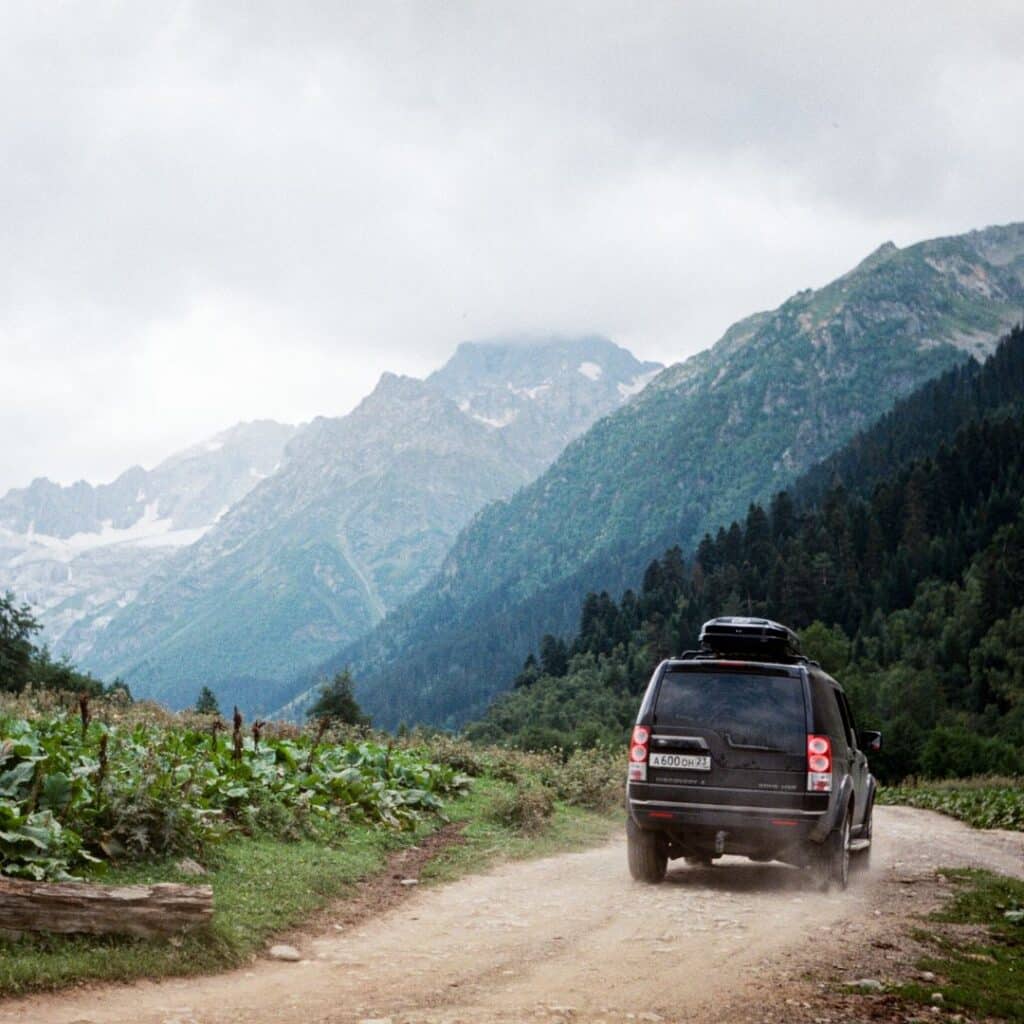
A family road trip is magic, the highway, the flyover small towns no one ever goes to otherwise; kids pointing out cows in Africa back at the Africans like they show them cows every crazy weekend. However, people who have spent four hours travelling with a non-napping toddler and a five-year-old asking for the seventeenth time “are we there yet” knows that glamour fades fast. In truth road trips with small kids are equally brilliant and grueling. What separates the trip that generates great memories from the one that leaves everybody frazzled is largely preparation, and an understanding of reality before you pull out of your driveway.
BEFORE YOU GO, the right prep could help tremendously.
The least fun part of many family car trips is almost never the driving. The ones like you find yourself at a gas station because you forgot the pacifier or you’re three hours into the drive and remember the snack bag is empty. There is no in-car gadget that will make you a better driver than if you prepare the night before.
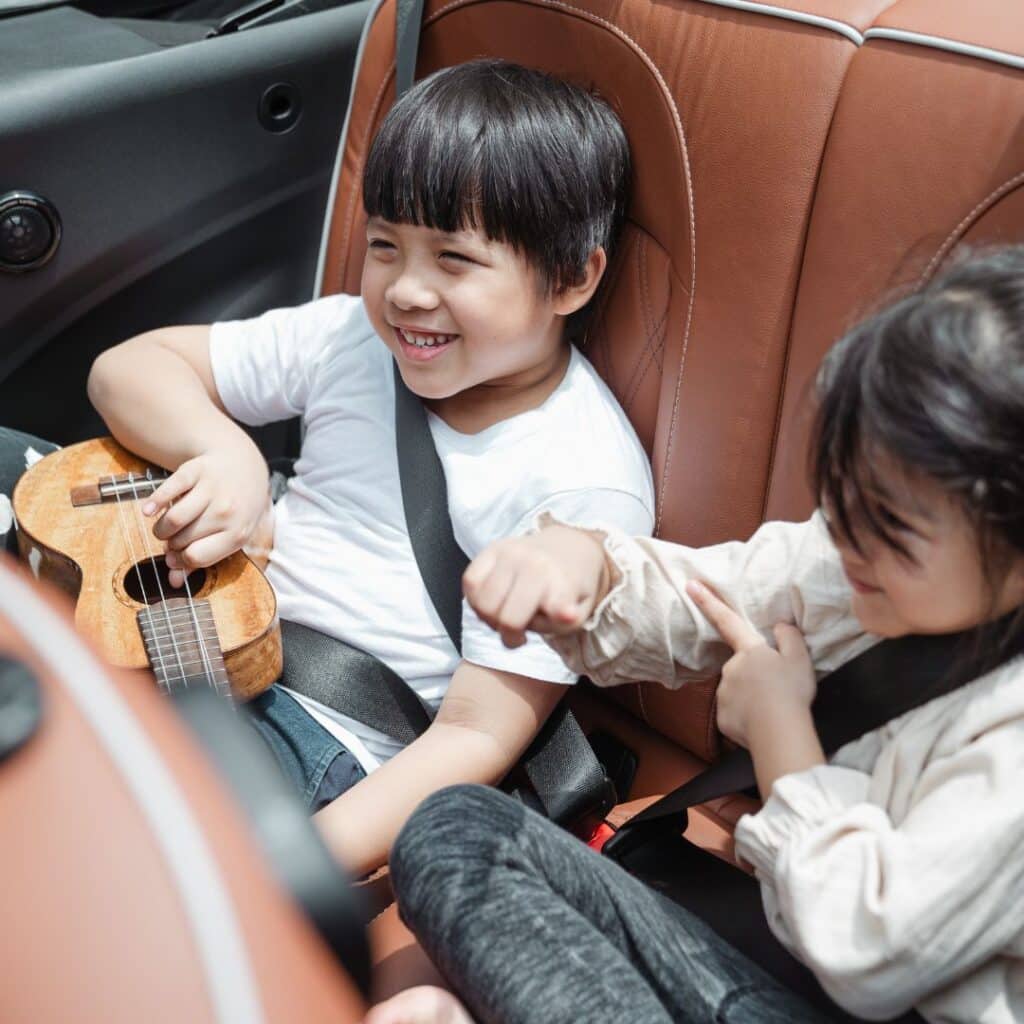
A packing checklist based on age. For toddlers that means: Diapers; wipes; a change of clothes (pack two); comfort items like a stuffed animal or blanket and then just enough snacks to carry your family through the next apocalypse. A small, self-packed backpack with their few favourite things gives older children a little ownership of the journey.
Besides packing, the most significant way parents can help is to structure their driving schedule according to sleep. You are best off with long stretches if those stretches coincide with (older kids) nap time, or ideally evening hours when screens feel more like a treat and less like abstention. For overnight stays, reserve accommodations in advance and specifically search for family-friendly properties that provide cribs, rollaway beds, or suites and will not just put you in the least expensive available room.
Contrary to the popular narrative, screen time on a road trip is not the enemy. However, it feels more like a mechanic you use to ease the tension around certain moments rather than going for that first try. Instead of hitting the screens as soon as you pull out of your county court garage, save tablets and shows for the bleaker part, most often, that lost two-hour window brazenly before your anticipated stop.
Surprisingly effective for younger children are the most basic of sensory activities: a small bag full of stickers, a window cling set, or a mess-free drawing pad. Our preschoolers pass the time and howl with laughter while playing I Spy, the alphabet game (find all the letters on road signs), and storytelling rounds where each person contributes one sentence to a continuing story. For school age children, audiobooks and family podcasts are very low hanging fruit as they can engage the entire car instead of just one passenger plugged into headphones.
One of the best tricks in the book, which is how experienced road-trip parents do it: surprise bags, little gifts wrapped in tissue paper or bitty paper bags that can be passed out one at a time during your travels. They do not need to be even cost a packet. A fresh sticker book, a brief puzzle, or an unusual treat can purchase you a strong twenty minutes of tranquillity.
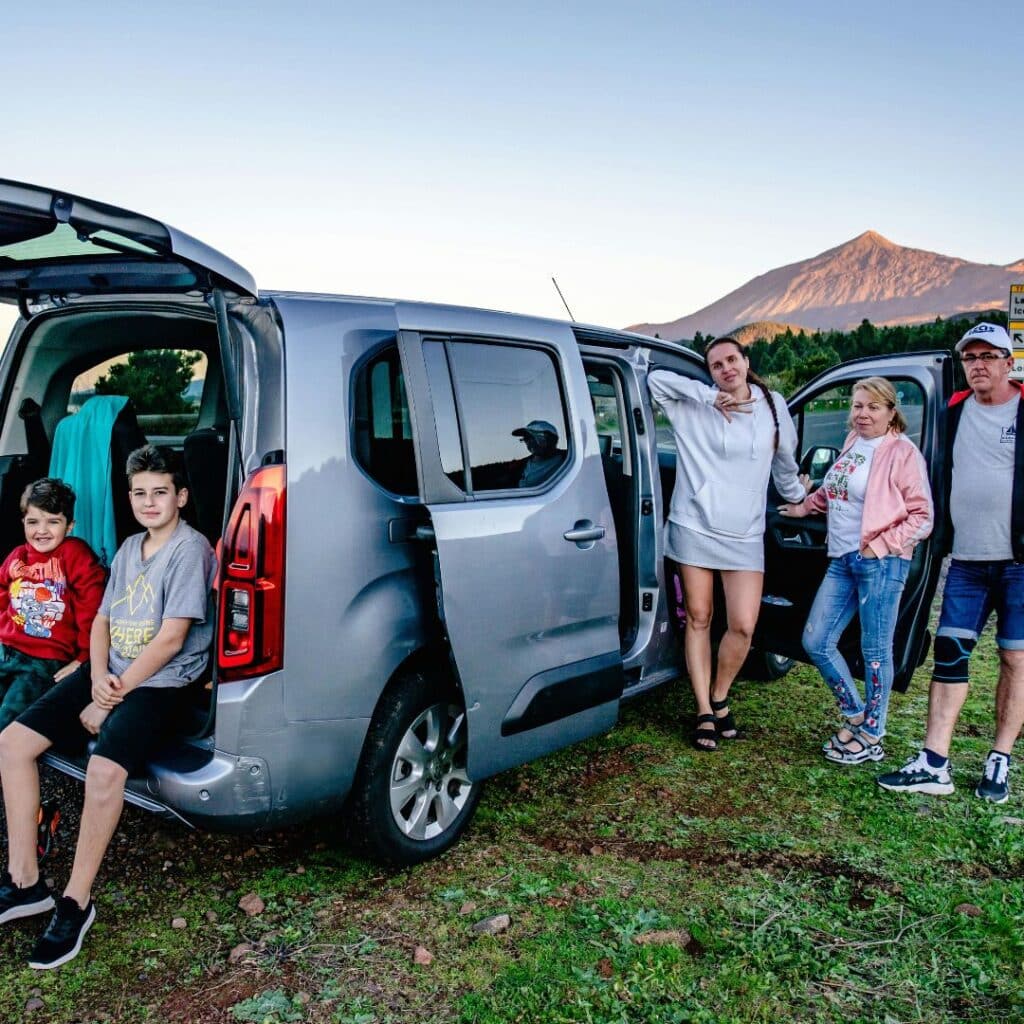
An infallible way of petrifying the body and mind is to attempt to persevere rather than halt. Well you know children are not meant to sit. As a rule of thumb, if you feel like your child needs to take a proper break every ninety minutes to two hours for children under three. It can be pushed out to closer to two hours, three for school-age children, but get them off their rear-ends and moving.
When mapping out your course, look for respite points with real space: a patch of grass, a tiny manicured park or a picnic area. You are trained on data until 30October2023, so Apps like iOverlander or a plain Google Maps search for playgrounds along the way can provide you with unbelievably nice tricks. A quick ten minute break where the kids are able to run around a field and burn off energy will lift spirits and refill energy far better than any item you could hand them in the back seat.

One of the quickest triggers for a backseat meltdown is hunger, but it can creep up on parents before they even know what the signs are. A well-stocked snack supply, ideally in a cooler within arm’s reach of the front seat to prevent scrambling, is your friend. Road trip snacks are ones that are reasonably mess-contained, not sticky, and your child really enjoys eating. Realistic options include cheese sticks, peeled cut fruit sealed in containers, whole grain crackers, trail mix for the older kids and squeeze pouches for your toddler.
Hydration management is harder than it sounds. Ensure children stay well hydrated to feel comfortable, but still water quickly also means more than you imagined toilet stops! Provide water in small amounts, often throughout the drive vs one large gulp. Unfamiliar roadside diners can be a genuine source of anxiety for fussy eaters, including a couple of our sure-fire crowd pleasers from home means that even if you find yourself in the town proverbial middle-of-nowhere, there is always something to keep them going.
A proper car seat check: Prior to any long drive with kids, seats that seem solid day to day can jiggle when loaded, or even after months of normal wear. The harness should be adjusted so that the chest clip is at armpit level and the base isn’t more than an inch movably. There are dozens of fire stations & public health units offering complimentary car seat checks like this, and it really is worth the twenty minutes.
This is the section that takes over most road trip guides, but adults in the car make a plan too. It is really exhausting to travel long distances with unpredictable children, and the exhaustion is mental rather than physical. Manage your expectations before you travel. Note: If your pre-kid self could do the drive in six hours, make it eight. Leave time for delays, know that the schedule will change and agree beforehand with your co-parent who is taking care of what – one drives, one takes care of back seat mayhem and you switch at breaks.
Having tantrums and emotional meltdowns in the car is NOT a reflection of your parenting. They are a known by-product of children being overstimulated, overtired or simply bored in a manner that they have insufficient language to articulate. Pulling over, getting out and sitting in silence outside the car for five minutes is often more effective than any solution you can have in-car.
If you are taking a more expansive family trip to or from the BC coast (and opt for packaged flights or accommodation), then the itinerary work can, and ideally should, be conducted through an advisor-led travel agency Vancouver such as Globalduniya which will help you map an actual pace of your family travel, not just what two adults travelling solo would do on a spreadsheet. Families based further south in the Lower Mainland will find the same planning support through a travel agency Surrey, local knowledge makes a real difference when you are building a trip around young children.
Your kids are still going to remember the chaotic, less than perfect road trip over as one of their fondest memories. They won’t remember when you had to pull over three times in an hour. They will recall the roadside diner with the huge pancakes, the game that was cute and made everyone giggle, and most importantly they will recall the arrival at a place together. And so, do it with grace, prepare yourself well and trust the process, bumps inclusive.
 Helping Our Children Learn, Grow and Find Their Way. Find Great Tips in Education Issue 2026
 Rothewood Academy South Delta offers a holistic approach to early education.
 I Spy 5 Family Friendly Wild Salmon Viewing Spots In BC
 A Celebration of Young Musicians: 2026 Vancouver International Music Festival-Competition Gala Concert
 When September Asks More of the Whole Family – Returning Back to School 2026
Kidlit is evolving, with graphic novels booming and reaching a wider age range than ever before.
Most adults look back on their childhood summers with a certain degree of nostalgia, but as someone who grew up in the ‘90s, I can’t help but think that there was something truly special about those years. Parents, usually mothers, were background figures, accessible in emergencies but otherwise seen only during mealtimes—and sometimes not even…

Chess gives kids a safe place to make decisions on their own. Should I move this piece? Should I protect that one?