

Ready, Set, Snow: 5 Ways Families Can Save on Skiing
9 min read
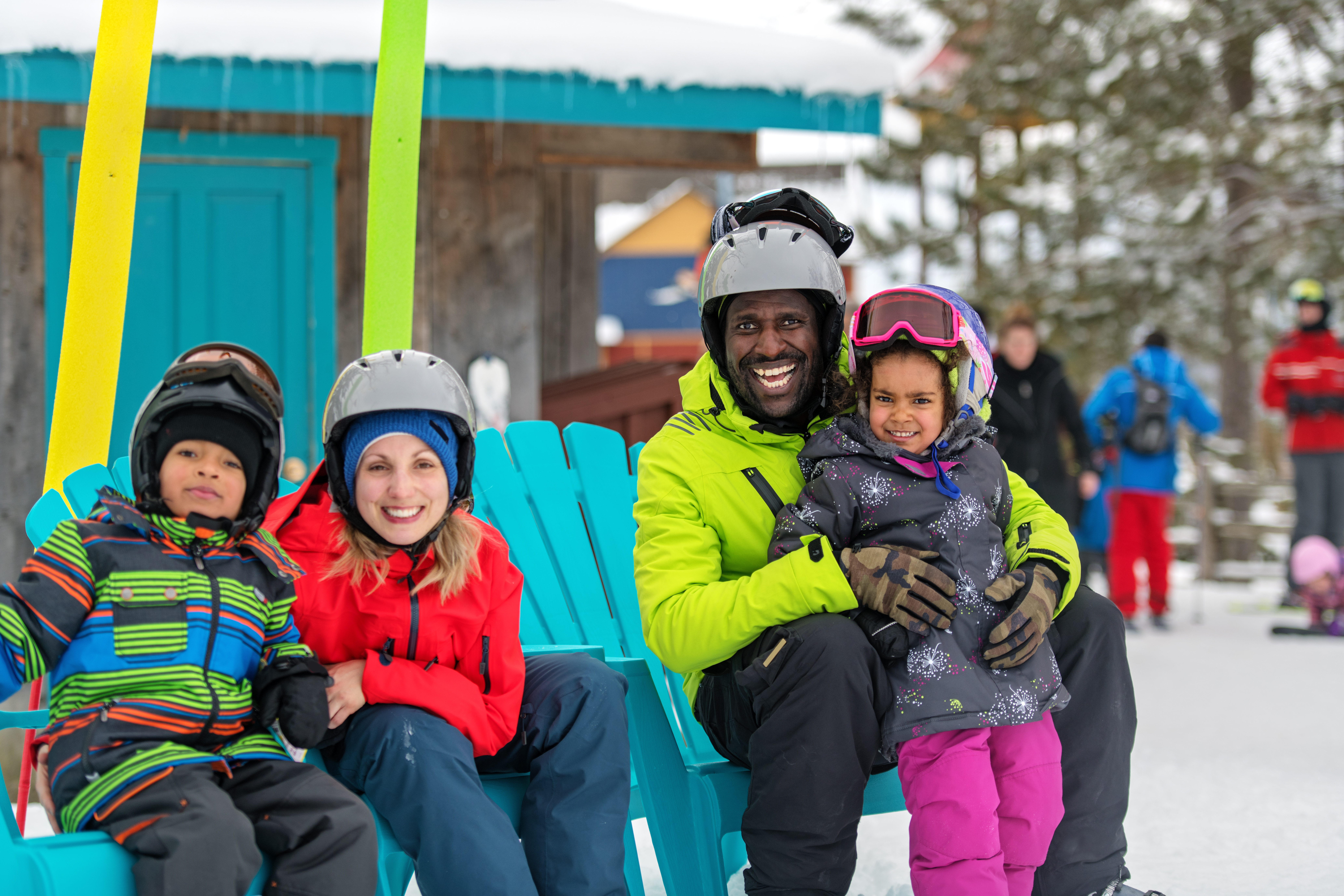
SnowStart Kidz Pass, for example, is available once for children ages 6–12 and provides up to three visits at every participating ski area for $39.99 plus tax.
Every parent knows the summer days I’m talking about.
The rainy ones, when the outdoor plans fall apart by breakfast. The too hot ones, when everyone starts strong and then melts by lunch. The quiet afternoons when kids are restless, screens are easy, and you want something that feels fun but still useful.
That is where chess surprised me.
Before COVID, my wife, Becca, signed our son Harry up for chess club at school. At the time, I did not think much of it. It was just another activity. Something to try.
Then COVID happened, routines disappeared, and like many families, we were trying to figure out what our kids needed when so much of normal life had stopped.
When things started getting back to normal, Harry was the one who said, “I think I want to try chess again.”
That small exposure had stayed with him. He remembered the game. More importantly, he wanted to go back to it.
I did not know it then, but chess would become one of the most valuable activities in our family life.\
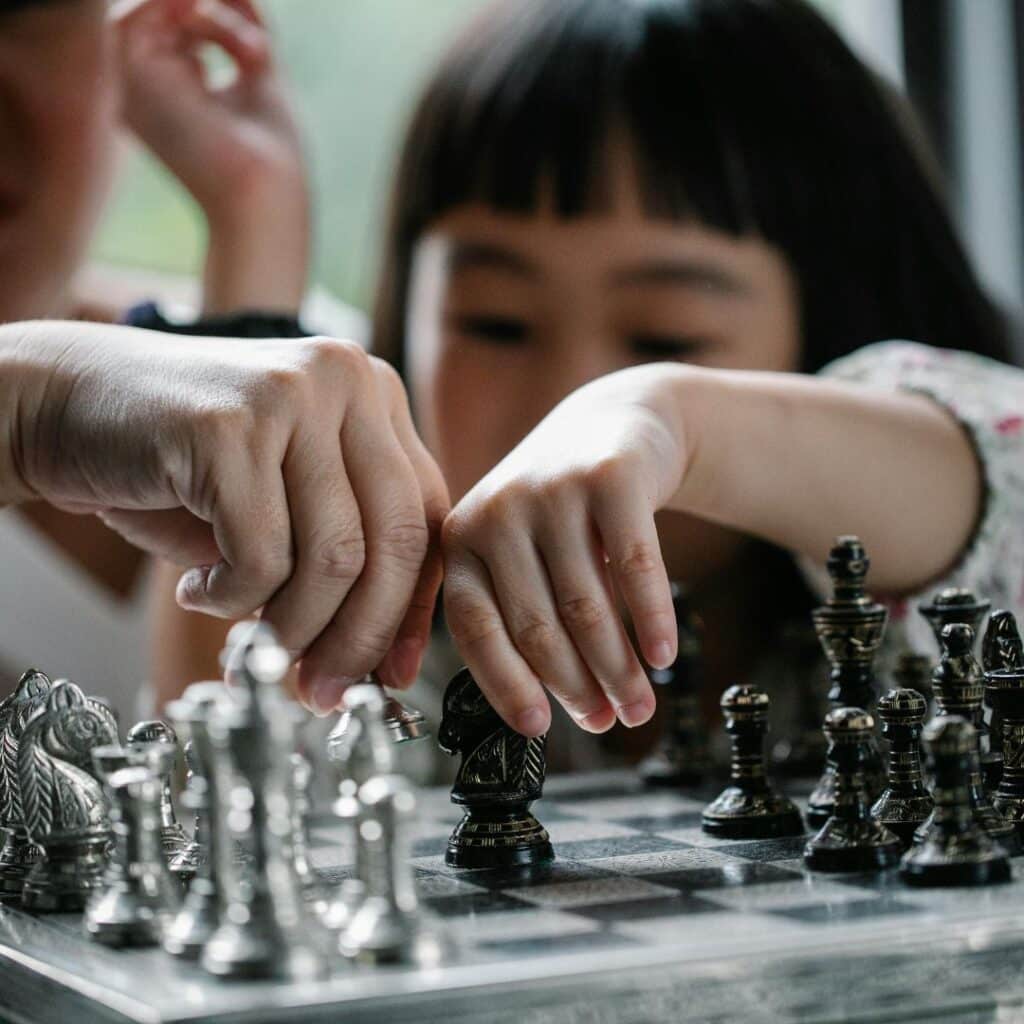
Chess is one of those rare activities that does not need much.
You do not need a field. You do not need perfect weather. You do not need a big group, expensive equipment, or a full afternoon. You need a board, a few pieces, and a child willing to try.
That makes it especially useful during summer, when the day does not always go as planned.
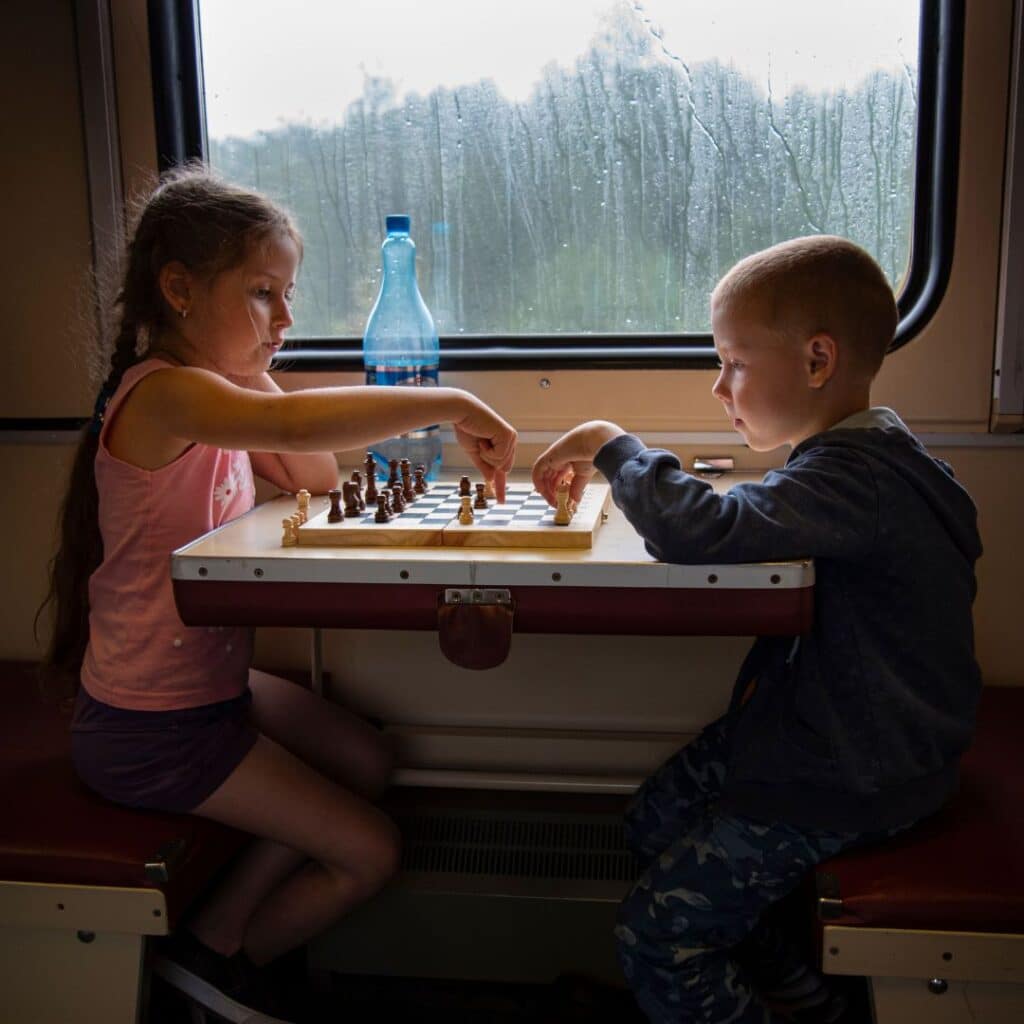
A game can happen at the kitchen table, on the floor, at a library, during a trip, or online when there is no board around. It can take ten minutes or an hour. It can be played seriously, casually, badly, loudly, quietly, or with lots of laughing in between.
And while kids experience it as a game, their minds are doing real work.
They are focusing. They are remembering. They are making decisions. They are learning to slow down and think before acting.
That is why I think of chess as a kind of brain gym.
The best way to introduce chess is not to make a big announcement about how good it is for your child’s brain.
That is a fast way to make it sound like homework.
Start lightly. Put a board out where your child can see it. Learn how the pieces move together. Watch a beginner video. Try a short game where nobody worries too much about the rules being perfect at first.
The goal is not to create a chess prodigy.
The goal is to create curiosity.
That mattered with Harry. Chess worked because he wanted to keep going. He had a small taste of it, and that was enough for him to become interested. Once the interest was there, we could build on it.
For parents, that is the first lesson: do not rush the activity into something serious. Let it be a game first.
Most kids do not love being told to focus.
Chess gets around that because focus is built into the game. A child cannot really play while only half paying attention. The board asks them to notice what changed, remember what happened before, and think about what might happen next.
That kind of attention is useful far beyond chess.
During the summer, especially on indoor days, it can be hard to find activities that hold a child’s mind without overstimulating it. Chess sits in a nice middle place. It is quiet, but not boring. Challenging, but not frantic. Competitive, but still thoughtful.
Even a simple chess puzzle can help. You do not always need a full game. One small position and the question, “What would you do here?” can be enough to get a child thinking.
One of the things I love most about chess is that every move belongs to the player.
Children spend a lot of their lives being guided by adults. We remind them, correct them, direct them, and, if we are honest, sometimes overmanage them.
Chess gives kids a safe place to make decisions on their own.
Should I move this piece? Should I protect that one? Should I attack? Should I wait? What happens if I try this?
Some decisions work. Some do not. Either way, the child gets feedback right away.
Nothing permanent happens. No one gets hurt. But the choice still matters.
That is powerful for kids because it teaches them that their decisions have consequences. It also teaches them that uncertainty is normal. You do not always know exactly what will happen next, but you still have to think carefully and choose.
Chess also teaches kids how to lose, which may be one of its most underrated benefits.
A loss in chess is clear. The game ends. The result is there. There is no hiding from it.
That can be frustrating, but it can also be useful.
When Harry lost games, we could often look back and find the moment where things changed. A rushed move. A missed threat. A pattern he had not recognized yet. Over time, losing became less mysterious. It became information.
That is a healthy lesson for children.
Not every mistake means failure. Sometimes it means, “Now I know what to watch for next time.”
Parents can help by changing the question after a game. Instead of asking only, “Did you win?” try asking, “What did you notice?” or “Was there one move you would change?”
That keeps the focus on learning, not just the result.
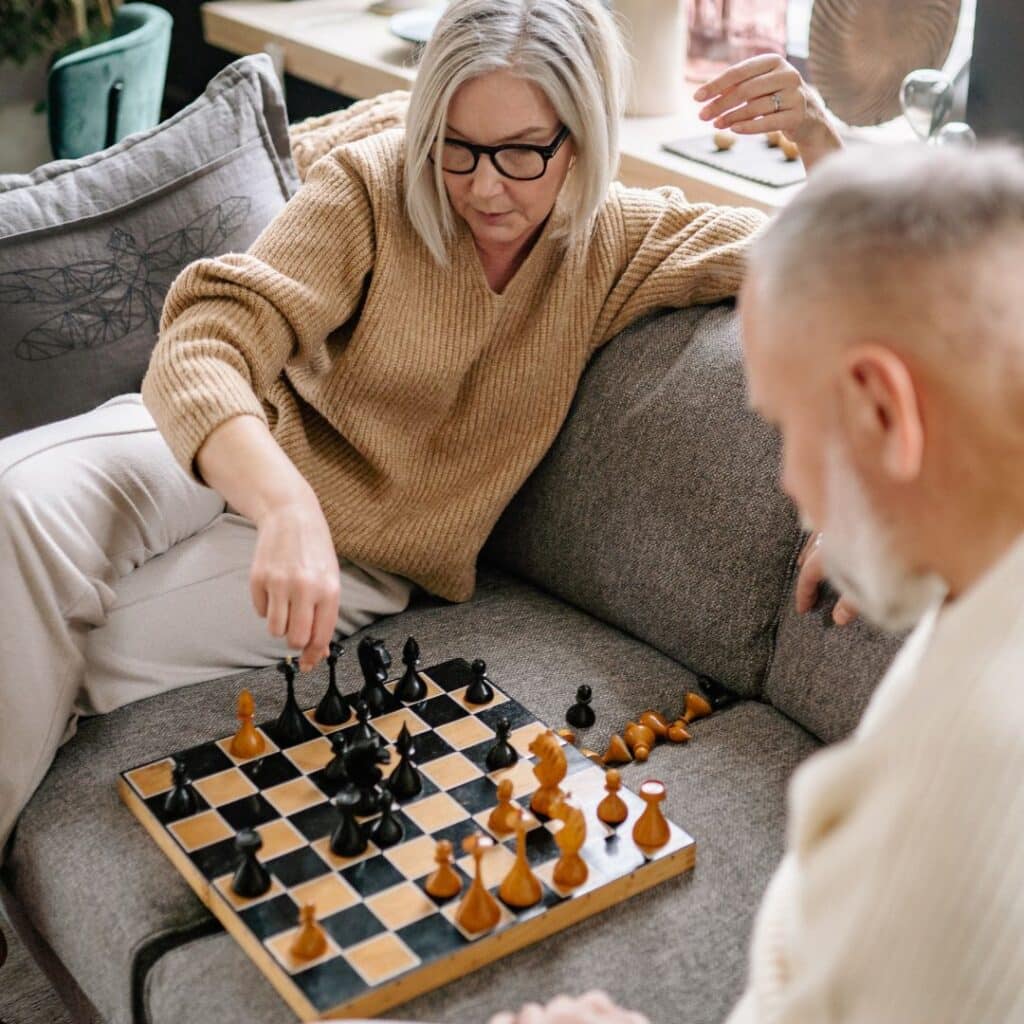
I was not a serious chess player when Harry started. I learned alongside him, and that became one of the best parts of the experience.
We played together. We talked about games together. We made mistakes together. It gave us something active and thoughtful to do, especially at a time when so many family activities can become passive.
That is another reason chess is great for indoor summer days. It gives parents and kids something to share that does not require a screen to do all the work.
If your child gets more interested, then you can look for a school club, local club, summer camp, online lesson, or casual tournament. But you do not need to start there.
Start with one game.
Summer does not need to be perfectly planned to be meaningful.
Some days will be busy and full. Some days will be rainy. Some days will be too hot to do much of anything. On those days, it helps to have a few simple activities that are easy to reach for and actually good for kids.
Chess has been that for our family.
It helped my son practice focus, decision making, patience, resilience, and confidence. It gave him a place where his curiosity and analytical mind could come alive. And it gave us something meaningful to share.
For families looking for a rainy day or too hot day activity that is flexible, affordable, and surprisingly powerful, chess is worth trying.
Sometimes exercising your child’s mind can be as simple as setting up the board and making the first move.
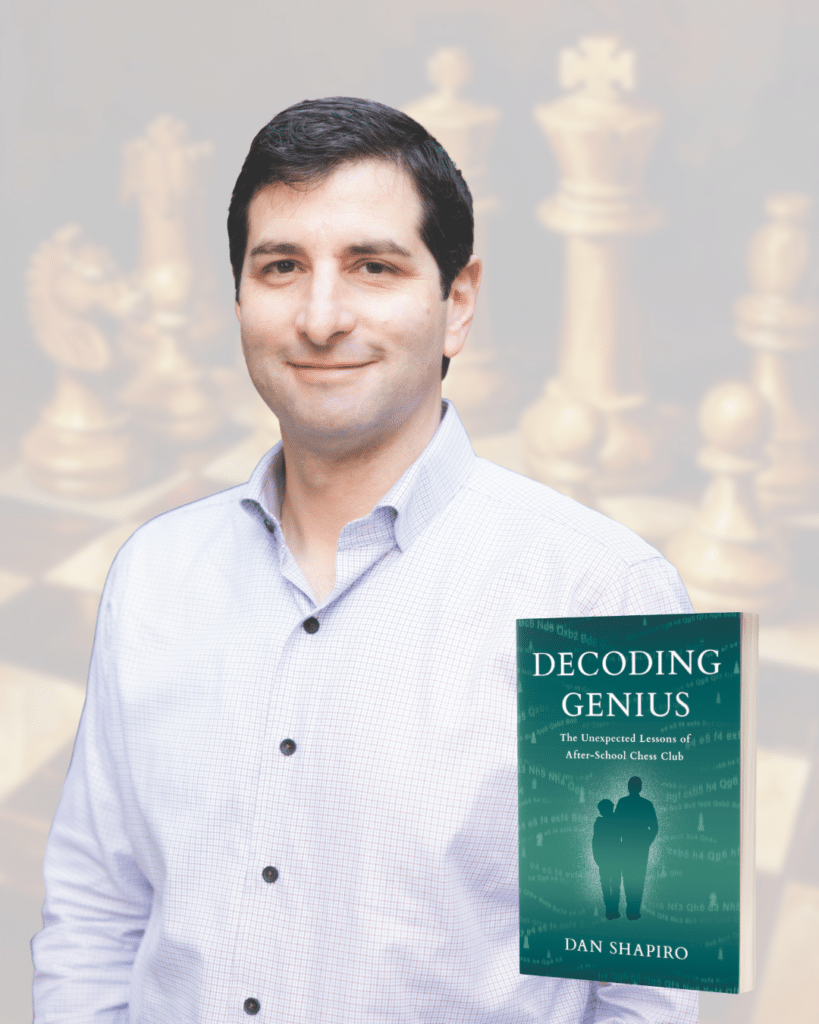
Dan Shapiro is the author of Decoding Genius: The Unexpected Lessons of After-School Chess Club (coming summer 2026). After seeing how chess helped his son build confidence and decision-making skills during COVID, he set out to better understand the mindset behind the game and what it can teach kids beyond the board. Learn more at DecodingGeniusBook.com or follow along on Instagram (@decoding.genius) and Facebook for updates and additional resources.
 Helping Our Children Learn, Grow and Find Their Way. Find Great Tips in Education Issue 2026
 Rothewood Academy South Delta offers a holistic approach to early education.
 I Spy 5 Family Friendly Wild Salmon Viewing Spots In BC
 A Celebration of Young Musicians: 2026 Vancouver International Music Festival-Competition Gala Concert
 When September Asks More of the Whole Family – Returning Back to School 2026
SnowStart Kidz Pass, for example, is available once for children ages 6–12 and provides up to three visits at every participating ski area for $39.99 plus tax.
A family road trip is magic, the highway, the flyover small towns no one ever goes to otherwise; kids pointing out cows in Africa back at the Africans like they show them cows every crazy weekend. However, people who have spent four hours travelling with a non-napping toddler and a five-year-old asking for the seventeenth…

Kidlit is evolving, with graphic novels booming and reaching a wider age range than ever before.