



Behind Closed Doors: Why We Must Break the Silence Around
8 min read
Domestic Violence Awareness Month is a reminder that not every home is a safe haven...
Breast Cancer Awareness Month: A reminder to know your body, prioritise your health, and seek medical attention early.
Every October, pink ribbons appear on social media, in workplaces, hospitals, and public spaces as the world marks Breast Cancer Awareness Month. We share messages of hope, celebrate survivors, honour those we have lost, and encourage one another to get screened. But beyond the pink ribbons and awareness campaigns lies a more important question: Are we doing enough to take care of our health, and are we paying attention to what our bodies are telling us?
For many people, life moves at a relentless pace. Between demanding jobs, raising children, caring for family, managing finances, and meeting everyday responsibilities, personal health can easily slip to the bottom of the priority list. We postpone medical appointments, ignore unusual changes in our bodies, and convince ourselves that we will seek help when things get worse.
Unfortunately, when it comes to breast cancer, waiting for symptoms to become unbearable can be dangerous.
Breast Cancer Awareness Month is therefore more than a time to wear pink. It is an opportunity to start honest conversations, challenge misconceptions, encourage early detection, and remind people that taking care of their health is not a luxury. It is a necessity.
Breast cancer occurs when cells in the breast grow uncontrollably, forming a tumour that may spread to other parts of the body if left untreated. Although it is more common in women, men can also develop breast cancer.
It is one of the most common cancers affecting women worldwide. In Kenya, breast cancer remains an important public health concern, making awareness, timely diagnosis, and access to treatment essential.
One of the most important things to understand is that a breast cancer diagnosis does not automatically mean a death sentence. When detected early and treated appropriately, breast cancer can have a much better outcome. The challenge is that some people seek medical attention only when symptoms become obvious or the disease has progressed.
Early detection does not mean that every case can be prevented. Rather, it increases the chances of identifying cancer before it advances, allowing healthcare professionals to assess the condition and recommend appropriate treatment.
This is why regular medical care, knowing your body, and taking unusual changes seriously are so important.
One of the simplest ways to become more aware of your breast health is to understand what is normal for your body and pay attention when something changes.
Possible signs and symptoms of breast cancer include:

It is important to remember that these symptoms do not necessarily mean you have breast cancer. Many breast lumps and changes are caused by non-cancerous conditions. However, you cannot reliably determine the cause by examining yourself alone.
If you notice a new or unusual change, visit a qualified healthcare professional promptly. Do not wait for the next awareness month, and do not assume that the absence of pain means everything is fine. Breast cancer does not always cause pain in its early stages.
Breast self-awareness is about knowing how your breasts normally look and feel so that you can recognise unusual changes.
You can become familiar with your breasts by observing them in a mirror and gently feeling them during everyday activities, such as bathing or dressing. Pay attention to changes in the breast, nipple, and surrounding areas, including the armpits.
There is no need to become anxious or to repeatedly check your breasts throughout the day. The goal is to understand what is normal for you, not to diagnose yourself.
It is also important to understand that breast self-examination is not a substitute for medical screening. While knowing your body can help you notice changes, it has not been shown to replace recommended screening tests or professional assessment.
If you discover a lump, do not attempt to diagnose it based on how it feels. Some cancerous lumps are painless, while some harmless lumps can feel firm. A healthcare professional can determine whether further investigations are necessary.
Your body deserves attention, and seeking medical advice is an act of responsibility, not fear.
Another important step in protecting your breast health is understanding breast cancer screening.
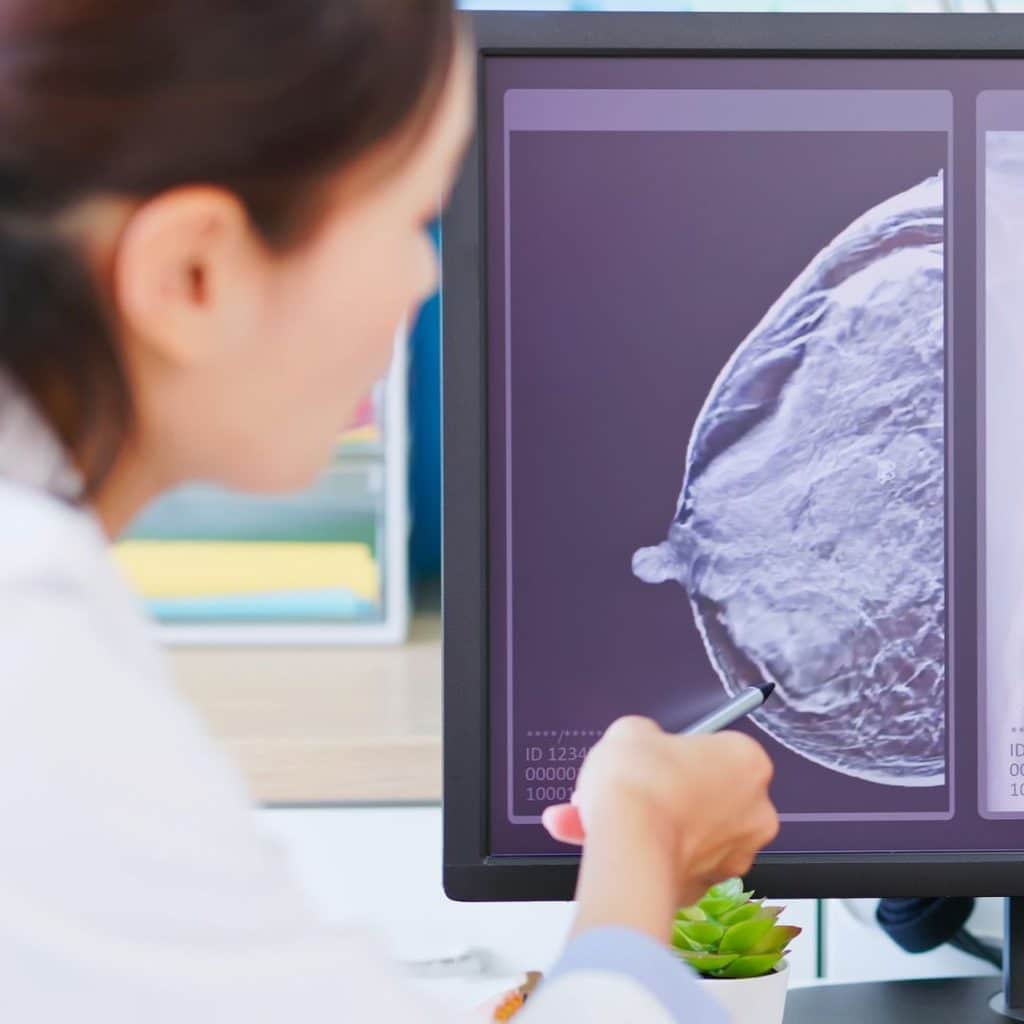
Screening involves checking for signs of cancer before symptoms appear. Depending on your age, personal risk, medical history, and available services, a healthcare professional may recommend a mammogram, which is an X-ray of the breast, or other appropriate investigations.
Mammography can help detect breast changes that may be too small to feel. However, screening recommendations vary according to individual circumstances and the guidelines used in a particular country.
If you are approaching middle age, have a family history of breast cancer, or have other factors that may increase your risk, speak to a qualified healthcare professional about when to begin screening and how often you should have it.
People with a strong family history or known inherited genetic risks may require earlier assessment or a personalised screening plan. However, you do not need a family history of breast cancer to develop the disease.
For those living in Kenya, consider visiting a reputable hospital, cancer screening centre, or qualified healthcare provider to ask about breast health assessments, mammography services, and the costs involved. If affordability is a concern, ask about available community screening initiatives or subsidised services.
The most important step is to find out what is appropriate for you rather than assuming that screening is only necessary when symptoms appear.
Although breast cancer can affect anyone, certain factors may increase a person’s risk. These include getting older, having a family history of breast cancer, inheriting certain genetic changes, having a personal history of breast cancer, and some hormonal and reproductive factors.
Lifestyle factors, including alcohol consumption, excess body weight after menopause, and physical inactivity, can also influence risk.
However, it is important not to blame people who develop breast cancer for their lifestyle choices. Some people with several risk factors never develop the disease, while others who have no obvious risk factors do. Having risk factors does not mean that cancer is inevitable, and living a healthy lifestyle cannot guarantee that you will never develop it.
What you can do is take practical steps to support your overall health:
These steps can support general well-being and may reduce certain health risks, but they should never be presented as a replacement for breast cancer screening or medical care.
Despite growing awareness, conversations about breast health can still be uncomfortable. Some women fear discovering something serious. Others worry about the cost of investigations, the possibility of surgery, losing their breasts, or how a diagnosis might affect their relationships and family responsibilities.
For some, the fear of being judged or abandoned may make it even harder to speak openly about their health.
In communities where discussions about breasts and reproductive health are considered private or embarrassing, people may delay seeking help. Others turn to unverified remedies, hoping that a lump will disappear without medical intervention.
These barriers deserve our attention.
We need to create environments where women and men can discuss breast health without shame. Partners should encourage one another to attend medical appointments. Families should support loved ones who need screening or treatment. Employers can help by promoting health education and, where possible, facilitating access to screening services.
Friends can also play a meaningful role by checking in, sharing reliable information, and offering practical support rather than spreading frightening stories or making assumptions about someone’s diagnosis.
Most importantly, we must learn to speak about breast cancer with compassion. A person diagnosed with cancer needs support, dignity, and access to appropriate medical care, not blame or unsolicited advice.
Breast cancer affects more than the person receiving the diagnosis. It can affect partners, children, parents, friends, and entire families.
Treatment may involve surgery, chemotherapy, radiotherapy, hormonal therapy, targeted therapy, or a combination of treatments, depending on the type and stage of cancer. The process can be physically demanding, emotionally exhausting, and financially challenging.
If someone close to you is diagnosed, you do not need to have all the answers. Sometimes, the most meaningful support is simply listening without judgement.
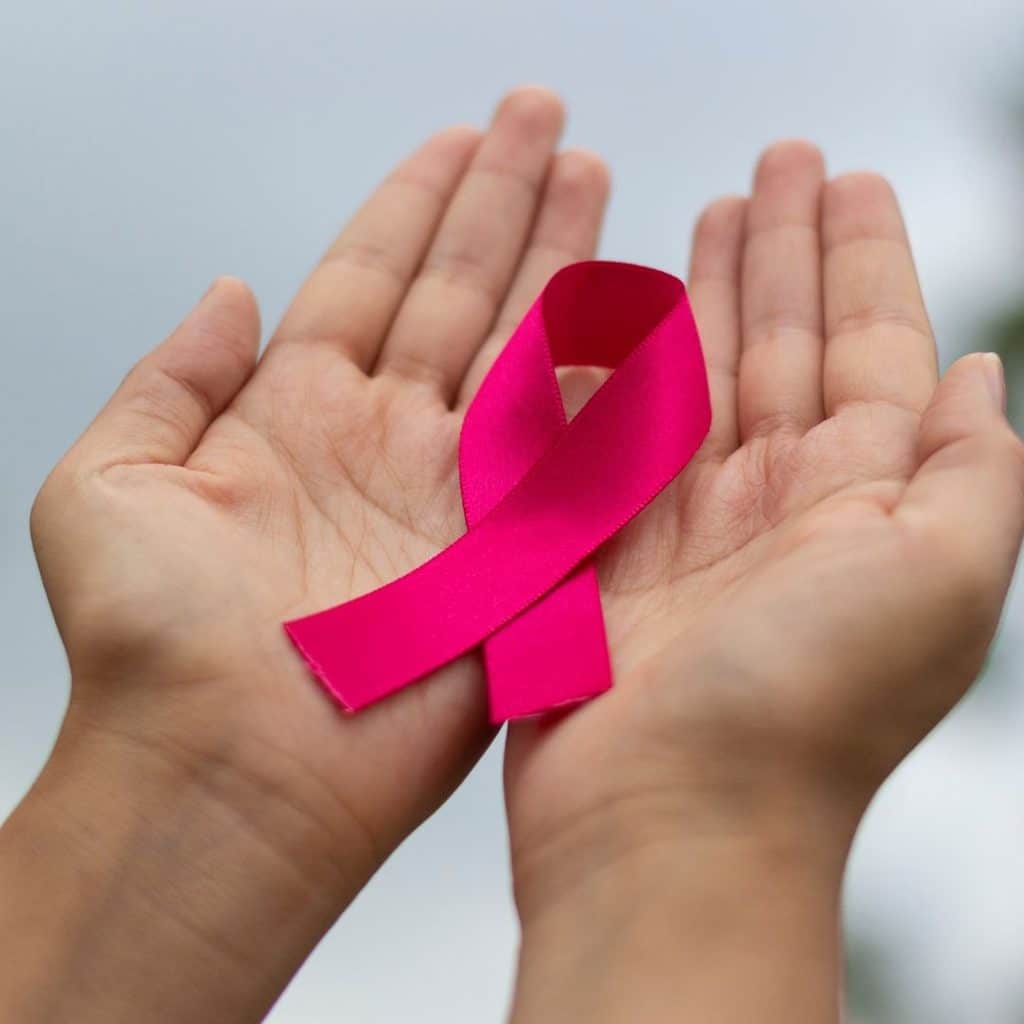
Offer to accompany them to appointments, help with household responsibilities, assist with childcare, or check in regularly. Avoid assuming that someone must remain strong or positive at all times. Allow them to express fear, frustration, sadness, and hope in their own way.
Where possible, encourage them to discuss treatment options, side effects, emotional support, and financial concerns with their healthcare team.
For survivors, remember that completing treatment does not always mean that every challenge immediately disappears. Follow-up appointments, physical recovery, changes in body image, and fear of recurrence may remain part of the journey.
Compassion should extend throughout the entire experience, not just during the initial diagnosis.
For many women, taking care of everyone else comes naturally. They remember their children’s clinic appointments, ensure their families have meals, support their partners, meet work deadlines, and show up for the people who depend on them.
Yet, when it comes to their own health, they may keep postponing appointments.
The reality is that you cannot always control what happens to your health, but you can take steps to care for yourself and seek help when something does not feel right.
Taking care of yourself does not have to begin with a major lifestyle change. It can start with booking that medical appointment you have been postponing, asking questions about your family medical history, finding out whether you need screening, or speaking to a healthcare professional about a change you have noticed.
It also means allowing yourself to rest, managing stress, staying physically active, and recognising that your well-being matters just as much as the well-being of those you love.
Do not wait until you are unwell to start paying attention to your body. Preventive healthcare and early medical assessment should be part of your routine, not something you consider only when you have no other option.
Breast Cancer Awareness Month gives us an opportunity to move beyond social media posts, pink outfits, and awareness events. These activities can be powerful tools for education, but their real value lies in the conversations they inspire and the actions they encourage.
This October, make a commitment to yourself and the people you care about.
Learn the signs and symptoms of breast cancer. Find out which screening services are appropriate for you. Seek medical attention when you notice unusual changes. Encourage the people around you to prioritise their health, and support anyone navigating a diagnosis.
If you have been postponing a medical check-up, let this be your reminder to make that appointment. If you have noticed a change but are afraid of what it might mean, remember that seeking medical advice is the first step towards getting answers. And if someone you love is going through breast cancer treatment, remind them that they do not have to face the journey alone.
Breast cancer awareness is not just about knowing that the disease exists. It is about understanding what to look for, knowing where to seek help, and having the courage to act.
Your health is worth the appointment, the conversation, the screening, and the time you take to care for yourself.
This October, wear the pink ribbon if you wish, share an awareness message, and support the cause. But most importantly, do something meaningful for your health.
Because sometimes, the most important decision you can make is to stop putting yourself last.
Health note: This article is intended for general education and does not replace professional medical advice. Anyone who notices a new breast lump or other unusual breast changes should seek prompt medical assessment. Screening recommendations should be discussed with a qualified healthcare professional.
 Helping Our Children Learn, Grow and Find Their Way. Find Great Tips in Education Issue 2026
 Rothewood Academy South Delta offers a holistic approach to early education.
 I Spy 5 Family Friendly Wild Salmon Viewing Spots In BC
 A Celebration of Young Musicians: 2026 Vancouver International Music Festival-Competition Gala Concert
 When September Asks More of the Whole Family – Returning Back to School 2026
Domestic Violence Awareness Month is a reminder that not every home is a safe haven...
From infancy and toddlerhood to pre-kindergarten, these formative years bring extraordinary growth as our children discover who they are. But this is just the beginning of their development. Today, we are taking a close look at Rothewood Academy's holistic approach to early education and what this could mean for your child. From learning to communicate…

Let's talk on co-parenting, the worry usually starts small. Your son shrugs at the tablet and says he will talk to his dad another time. A call gets missed, then another. Nobody has done anything wrong, and yet the relationship feels thinner than it did six months ago. Distance rarely changes how much a parent…