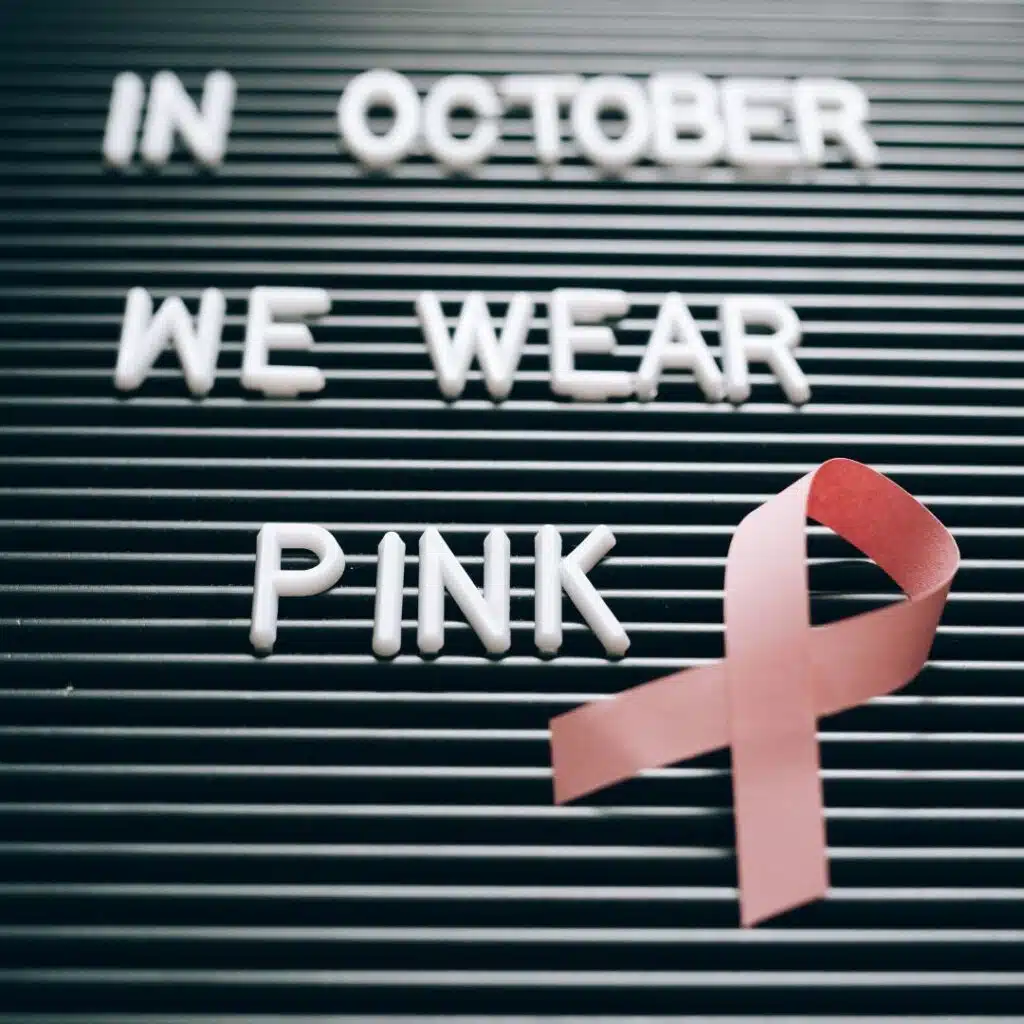
October is widely recognized as Breast Cancer Awareness Month — a time to shine a light on one of the most common cancers affecting women across the globe. For many, it’s also a reminder of courage, survival, and the importance of early detection.
As parents, we often pour our energy into caring for our families — juggling school runs, work commitments, and endless to-do lists — while putting our own health on the back burner. But caring for yourself is not selfish; it’s one of the greatest gifts you can give your loved ones.
Understanding Breast Cancer
Breast cancer occurs when cells in the breast grow uncontrollably. These cells often form a tumor that can be felt as a lump or seen on an X-ray. While breast cancer mainly affects women, men can also develop it, though it’s much rarer.
According to the World Health Organization (WHO), one in eight women will be diagnosed with breast cancer in her lifetime. Yet, when detected early, survival rates can be as high as 90%. That’s why awareness and proactive health checks make all the difference.
Early detection remains the most effective weapon against breast cancer. It doesn’t just save lives — it allows for more treatment options and a better quality of life after recovery.
Risk Factors to Know
Breast cancer doesn’t discriminate, but some factors can increase one’s risk. These include:
Age: Risk increases as you grow older.
Family history: A close relative with breast or ovarian cancer raises your chances.
Hormonal factors: Early menstruation (before age 12), late menopause, or never having children can increase risk.
Lifestyle choices: Smoking, obesity, excessive alcohol intake, and lack of physical activity can also contribute.
It’s important to note that some people develop breast cancer with no obvious risk factors — which is why awareness and routine checks are so vital.
The Power of Early Detection
Detecting breast cancer early gives doctors the best chance to treat it successfully before it spreads. There are three main ways to catch it early:
Self-examination (checking your own breasts regularly).
Clinical breast exams (done by a healthcare professional).
Mammograms (specialized X-rays that detect small lumps before they can be felt).
All three methods complement one another — but it all starts with being aware of your own body.
How to Do a Breast Self-Examination (BSE)
A breast self-exam is a simple, cost-free way to check your breasts for changes. It should be done once a month, ideally a few days after your period ends when breasts are least likely to be swollen or tender. For those who no longer menstruate, choose a consistent day each month.
Here’s a step-by-step guide:
Step 1: Look in the Mirror
Stand straight with your shoulders back and arms on your hips. Look for:
Any changes in size, shape, or symmetry
Visible lumps or swelling
Dimpling or puckering of the skin
Inverted nipples or nipple discharge
Redness, rash, or scaling
Repeat this step with your arms raised overhead and again while pressing your palms together in front of you.
Step 2: Feel While Standing or Sitting
Many women find it easiest to do this step in the shower, as wet skin makes movement smoother. Use the pads of your three middle fingers, moving in small circular motions.
Check the entire breast area — from the collarbone to the top of the abdomen, and from the armpit to the cleavage.
Use light pressure for the surface, medium for the middle tissue, and firm pressure for the deeper tissue close to the chest and ribs.
Step 3: Feel While Lying Down
When lying flat, the breast tissue spreads out, making it easier to feel small changes. Place a pillow under your right shoulder and your right arm behind your head. Use your left hand to examine your right breast in the same circular motion as above. Repeat on the other side.
If you notice a lump, thickening, or any unusual change, don’t panic. Most breast changes are not cancerous — they could be due to hormonal changes, infections, or benign cysts. However, it’s essential to see a doctor promptly for evaluation.
Encouraging Family Awareness
Breast cancer awareness should be a family conversation. Encourage your partner, sisters, and even teenage daughters to learn about self-examinations and the importance of early detection. Fathers can also play a role by supporting their spouses and daughters to prioritize screening.
If you have a family history of breast or ovarian cancer, talk to your healthcare provider about genetic testing or earlier mammograms.
Healthy Habits That Reduce Risk
While not all cases can be prevented, maintaining a healthy lifestyle can lower your risk:
Exercise regularly: Aim for at least 30 minutes of activity most days.
Eat a balanced diet: Include fruits, vegetables, lean proteins, and limit processed foods.
Maintain a healthy weight: Especially after menopause.
Limit alcohol and avoid smoking.
Breastfeed if possible: Studies show breastfeeding lowers the risk of breast cancer.
These habits not only reduce cancer risk but also improve your overall wellbeing — helping you stay strong for your family.
A Final Word
Breast cancer is not a death sentence when caught early. It’s a battle that can be won with awareness, courage, and timely action. As parents, we often teach our children to pay attention, speak up, and take responsibility — we must do the same for our own health.
So, take a moment this month to check yourself, schedule that screening, and encourage others to do the same. Your awareness could save your life — or the life of someone you love.
From infancy and toddlerhood to pre-kindergarten, these formative years bring extraordinary growth as our children discover who they are. But this is just the beginning of their development. Today, we are taking a close look at Rothewood Academy's holistic approach to early education and what this could mean for your child. From learning to communicate…
Let's talk on co-parenting, the worry usually starts small. Your son shrugs at the tablet and says he will talk to his dad another time. A call gets missed, then another. Nobody has done anything wrong, and yet the relationship feels thinner than it did six months ago. Distance rarely changes how much a parent…
Like many parents, I am all too familiar with the back-to-school question that rollsaround every September: what do I put in my child’s lunchbox? Something my kid willeat. Something that survives the bus ride and the bottom of a backpack. Somethingsafe and healthy. But working in Canada’s food system has made me think about something…
Join our Newsletter to learn about what's happening with BC Parents!