Every April, Cesarean Awareness Month offers an important opportunity to shed light on one of the most common surgical procedures in the world—cesarean births, also known as C-sections. While this procedure can be life-saving for both mother and baby, it also comes with physical, emotional, and psychological considerations that deserve thoughtful discussion. This month is not about promoting one type of birth over another, but rather about empowering women with knowledge, encouraging informed decisions, and supporting mothers through every birth experience.
What Is a Cesarean Birth?
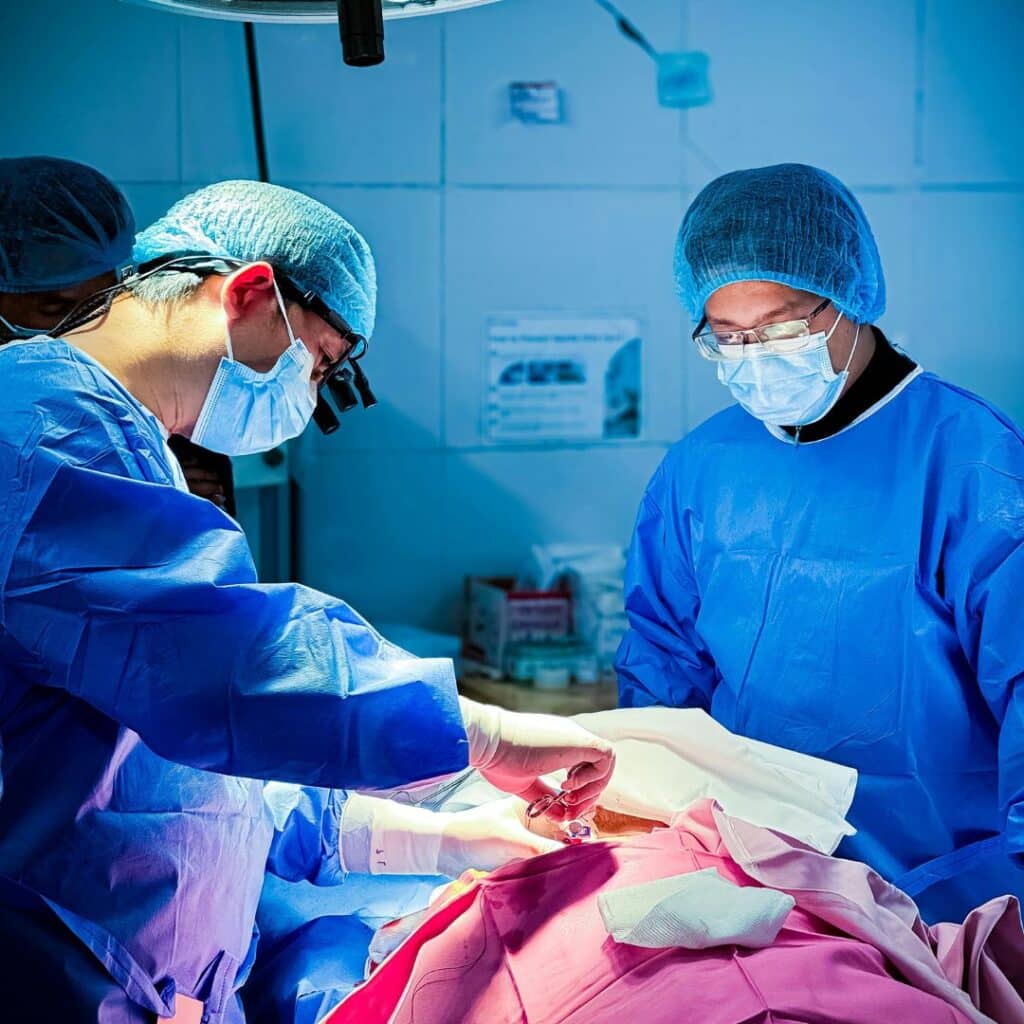
A cesarean section is a surgical procedure used to deliver a baby through incisions made in the mother’s abdomen and uterus. It may be planned (elective) or unplanned (emergency), depending on medical circumstances. Common reasons for a cesarean include complications such as prolonged labor, fetal distress, multiple pregnancies, placenta previa, or previous cesarean deliveries.
Globally, cesarean rates have been on the rise. While the procedure can be critical in ensuring safe deliveries, there is growing concern about unnecessary C-sections, particularly in settings where they may be performed without clear medical need. Cesarean Awareness Month seeks to encourage a balanced conversation—recognizing the importance of the procedure while advocating for its appropriate use.
The Importance of Awareness
One of the main goals of Cesarean Awareness Month is education. Many expectant mothers enter childbirth without fully understanding what a cesarean entails. By raising awareness, women are better prepared for all possible outcomes, whether they plan for a vaginal birth or not.
Understanding the risks and benefits of cesarean birth is essential. While generally safe, C-sections are major surgeries and carry risks such as infection, blood loss, longer recovery times, and potential complications in future pregnancies. For the baby, there may also be implications, including breathing difficulties or delayed bonding due to recovery procedures.
However, it’s equally important to remove stigma. Some mothers feel guilt or disappointment if their birth does not go as planned. Cesarean Awareness Month reminds us that a “successful” birth is one where both mother and baby are safe and healthy—regardless of how the baby arrives.
Recovery and Postpartum Support
Recovery from a cesarean birth is different from that of a vaginal delivery. Mothers may experience pain at the incision site, limited mobility, and a longer healing period. This makes postpartum support incredibly important.
Families, communities, and healthcare providers all play a role in supporting cesarean mothers. Practical help such as assisting with household tasks, ensuring proper nutrition, and allowing the mother time to rest can make a significant difference. Emotional support is equally crucial, as some mothers may struggle with feelings of disappointment, trauma, or even postpartum depression.
Open conversations about recovery help normalize the experience and ensure mothers do not feel isolated. Parenting platforms and healthcare professionals are increasingly advocating for better postpartum care that addresses both physical healing and mental well-being.
Informed Choices and Birth Plans
Cesarean Awareness Month also emphasizes the importance of informed consent and birth planning. Expectant mothers are encouraged to have open discussions with their healthcare providers about their preferences, potential risks, and what to expect in different scenarios.
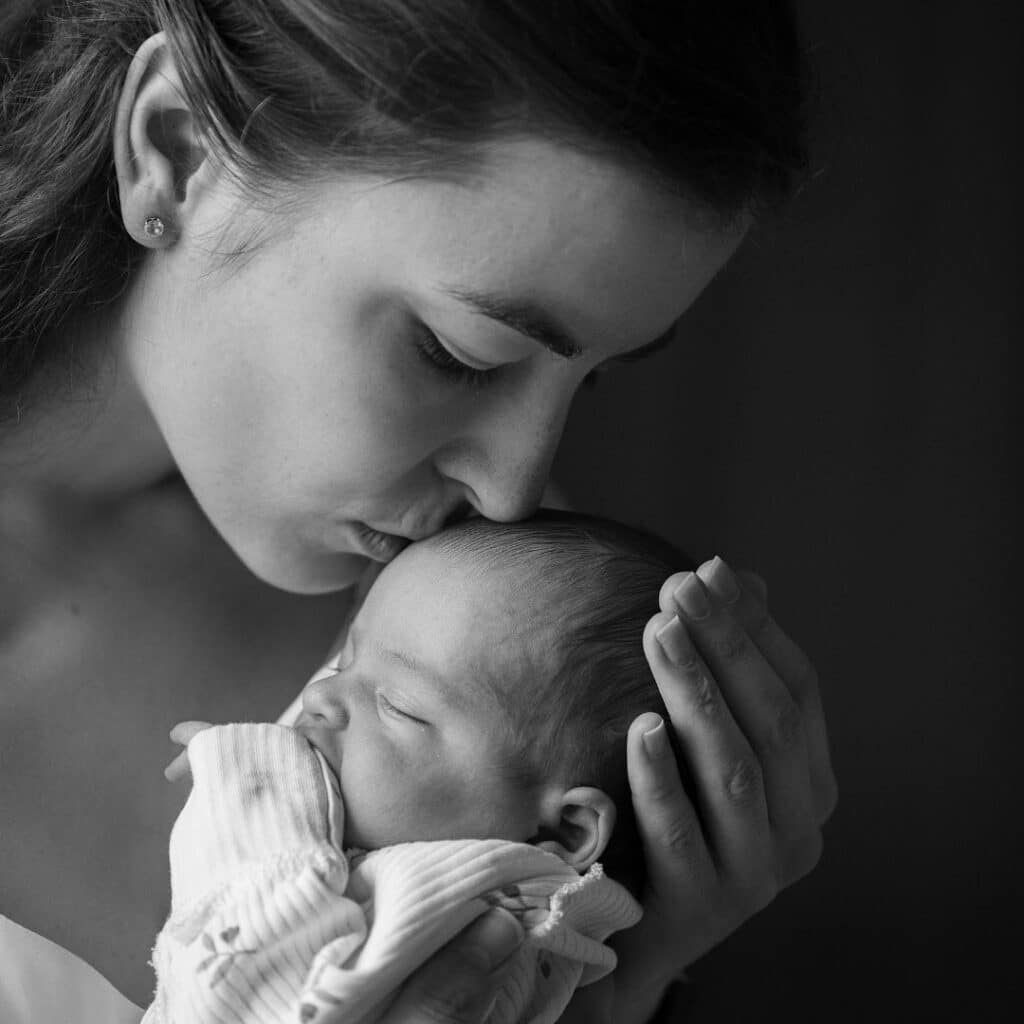
A birth plan can include preferences for labor, pain management, and even cesarean procedures—such as having a support person present or practicing skin-to-skin contact shortly after birth when possible. While birth plans may not always unfold as expected, being informed helps mothers feel more in control and confident in their decisions.
Healthcare providers also play a key role in ensuring that cesareans are performed only when medically necessary. Encouraging evidence-based practices and reducing unnecessary interventions can help create a more balanced approach to childbirth.
Breaking the Silence and Sharing Stories
One of the most powerful aspects of Cesarean Awareness Month is the sharing of real-life birth stories. When mothers share their experiences—both positive and challenging—they help create a sense of community and understanding.
These stories highlight that every birth journey is unique. Some women feel empowered by their cesarean experience, especially when it was necessary to save lives. Others may need time and support to process unexpected outcomes. By creating safe spaces for these conversations, we validate all experiences and reduce feelings of shame or isolation.
For many parents, storytelling becomes a healing tool. It allows them to reflect, connect with others, and advocate for better maternal care.
Moving Toward Compassionate Care
At its core, Cesarean Awareness Month is about compassion—compassion for mothers, for their choices, and for their journeys. It calls for a healthcare system that listens, respects, and supports women at every stage of childbirth.
As we continue to raise awareness, it is important to remember that there is no one-size-fits-all approach to birth. What matters most is that mothers feel informed, respected, and supported—before, during, and after delivery.
Final Thoughts
Cesarean Awareness Month is not just about a medical procedure; it is about people, experiences, and the power of informed choice. By educating ourselves, supporting mothers, and encouraging open dialogue, we can create a culture where every birth story is honored.
Whether a baby is born through a cesarean or vaginal delivery, every journey into parenthood deserves respect and care. This month serves as a reminder that behind every birth is a story of strength, resilience, and love—and that is something worth celebrating.
Angela Wanja Gachago is a Marketing and Communications Specialist from Nairobi, Kenya. She is passionate about building brands and relationships using her skills and knowledge in the field of Communications, PR and Marketing.
From infancy and toddlerhood to pre-kindergarten, these formative years bring extraordinary growth as our children discover who they are. But this is just the beginning of their development. Today, we are taking a close look at Rothewood Academy's holistic approach to early education and what this could mean for your child. From learning to communicate…
Let's talk on co-parenting, the worry usually starts small. Your son shrugs at the tablet and says he will talk to his dad another time. A call gets missed, then another. Nobody has done anything wrong, and yet the relationship feels thinner than it did six months ago. Distance rarely changes how much a parent…