

The Rainy Day Reset: How to Support Deeper Creative Play
6 min read
Rainy summer days hold a particular kind of energy.

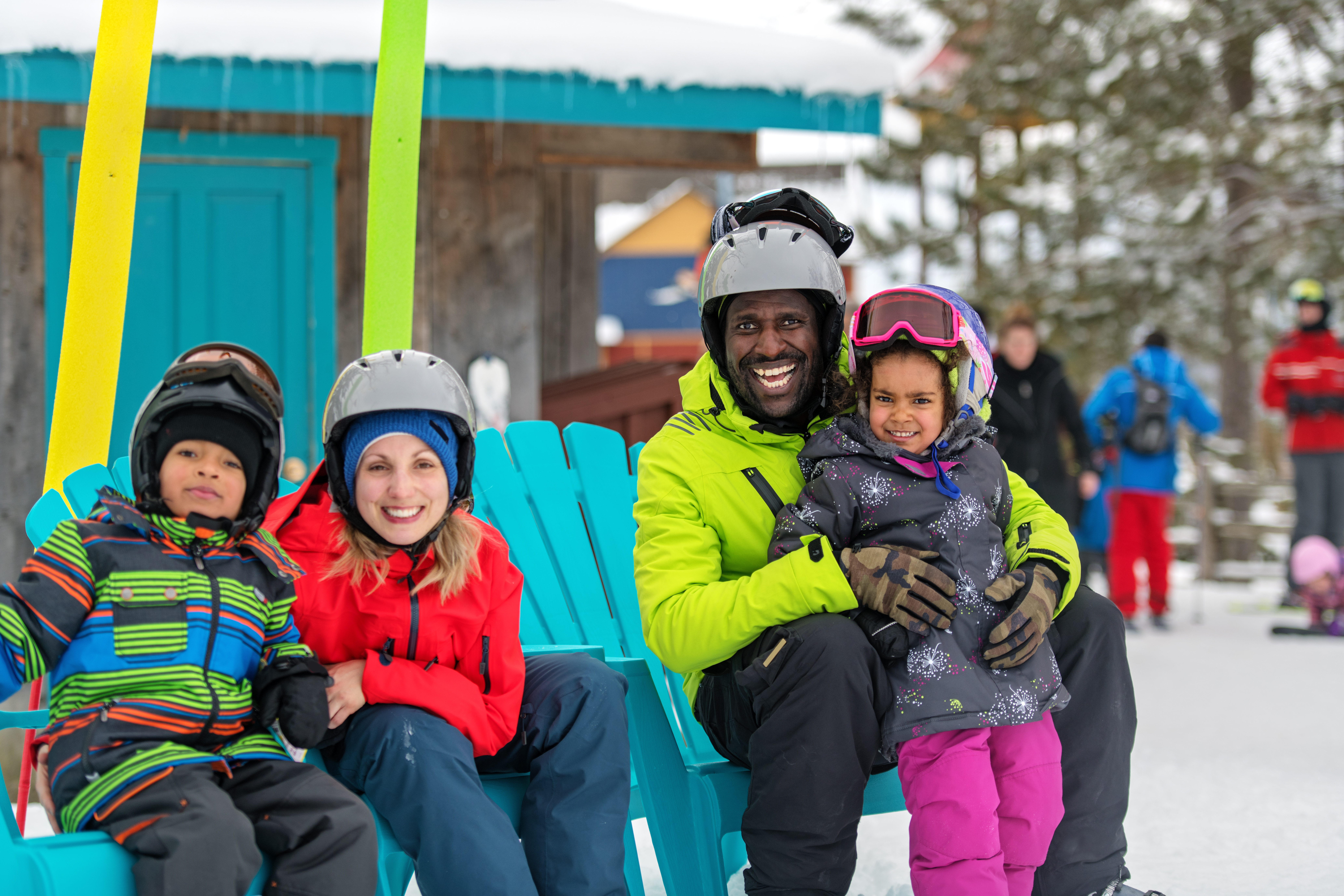
As summer winds down, snow might be the last thing on your mind. But back-to-school season is a smart time to start thinking about the not-too-distant ski and snowboard season ahead. With routines taking shape, extracurricular activities being added to the calendar and family budgets being set, a little planning now can make it easier—and more affordable—to fit some time on the slopes into the winter ahead.
And you don’t need a basement full of equipment or a family of eager athletes to get started. From beginner programs and equipment options to planning ahead for those precious winter weekends, there are plenty of ways to keep the stress minimal and the costs manageable.
Whether your family is made up of experienced skiers, enthusiastic beginners or kids who have never set foot on a ski hill, getting organized before the snow flies can really pay off. Here are five ways to make ski and snowboard season more affordable before winter begins.
Kids grow quickly, and buying brand-new equipment every season can get expensive. Before heading to a sporting goods store and filling a shopping cart, take a look at the used market.
Facebook Marketplace, local buy-and-sell groups, ski swaps and used sporting goods stores can be great places to find quality skis, snowboards, boots and other gear for a fraction of the original price. Local ski shops may also offer seasonal lease or trade-in programs, which can be particularly useful for growing children who may need a different size by next winter.
For younger children especially, renting can make more financial sense than buying. If you’re not sure whether your child will stick with the sport, a rental program lets them try skiing or snowboarding without making a significant upfront investment. As they gain experience, and enthusiasm, you can decide later whether purchasing equipment makes sense.
If you’re buying used equipment, ask a knowledgeable ski shop to check that it’s appropriate for the skier or snowboarder and in good working condition. Properly fitted boots and correctly sized equipment can make a big difference in both comfort and confidence on the hill.
And remember that helmets are one piece of equipment where buying new is generally the safer choice, since it can be difficult to know the history of a used helmet.
The goal isn’t to have the newest gear. It’s to find equipment that fits properly, works well and suits your family’s level of experience.
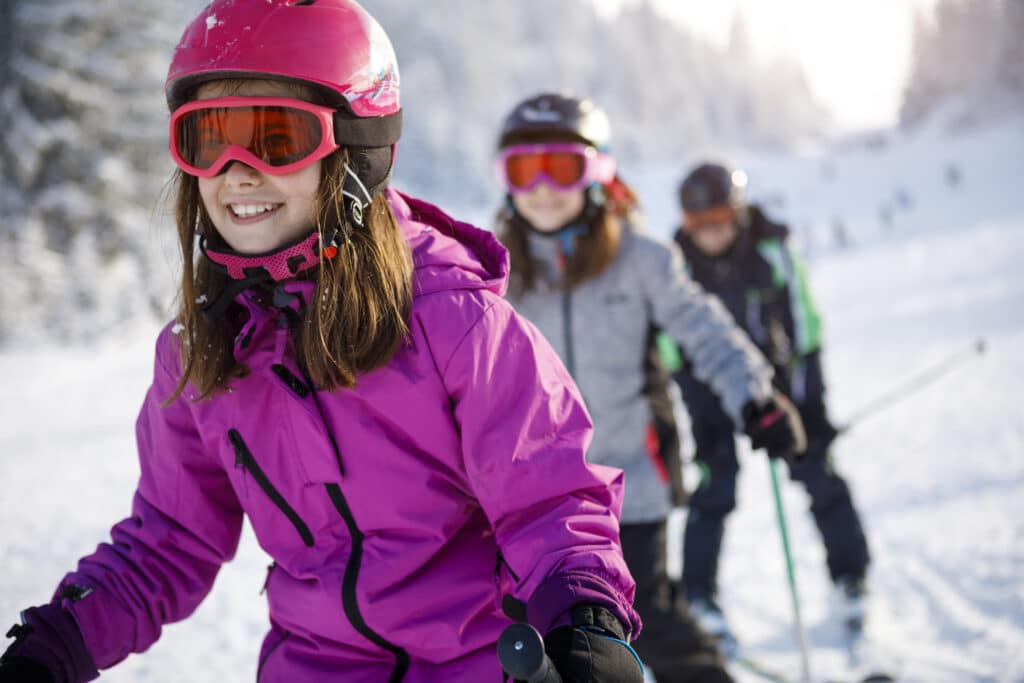
Before comparing prices online or planning a weekend away, call the ski area closest to home and ask a simple question: “What’s the best program for a family that’s never skied or snowboarded before?”
Resort and ski-area staff know their programs inside and out and can often point families toward the most affordable way to get started. They can also help you choose a program that matches your children’s ages and experience levels. It’s also worth asking about family days, youth programs, weekday rates, evening skiing and other local promotions. The best deal may not be obvious on the website, so it pays to ask.
You may discover that the best option isn’t a large destination resort. Smaller community ski areas can be welcoming, convenient, and considerably more affordable for families learning the basics. They may also offer a less intimidating environment for children who are nervous about trying something new.
Staying close to home has another advantage: less travel. A nearby hill can turn skiing or snowboarding into an easy day trip rather than an expensive weekend getaway. You can leave after breakfast, spend a few hours on the slopes and be home in time for dinner.
That convenience matters when you’re trying to make a new activity part of your family’s routine. Instead of saving up for one big ski vacation, you may be able to squeeze several smaller outings into the winter.
If everyone is starting from scratch, look for packages that bundle the essentials. Many ski areas offer introductory programs that combine equipment rentals, lessons, and lift access, often providing better value than paying for each component separately.
Multi-week learn-to-ski or snowboard programs can be another smart option, allowing your family to build skills gradually while becoming comfortable on the snow.
That gradual approach can also make the experience more enjoyable. A child who spends the first day learning how to balance, stop and turn may be much more confident the next time they visit. Building skills over several sessions can turn a frustrating first attempt into an activity they genuinely look forward to.
When comparing programs, look beyond the advertised lesson price. A package that includes rentals and lift access may cost more upfront but save money overall—and make the first day much simpler for parents.
Also check exactly what is included. Some beginner packages may include equipment but not helmets, for example, while others may have restrictions on the lifts or terrain that beginners can access. Knowing what you’re paying for can help avoid unexpected costs once you arrive.
If your children are different ages or at different skill levels, ask whether they need to enrol in separate programs or whether the ski area offers family-friendly options. A little research before registering can help you find the best fit.
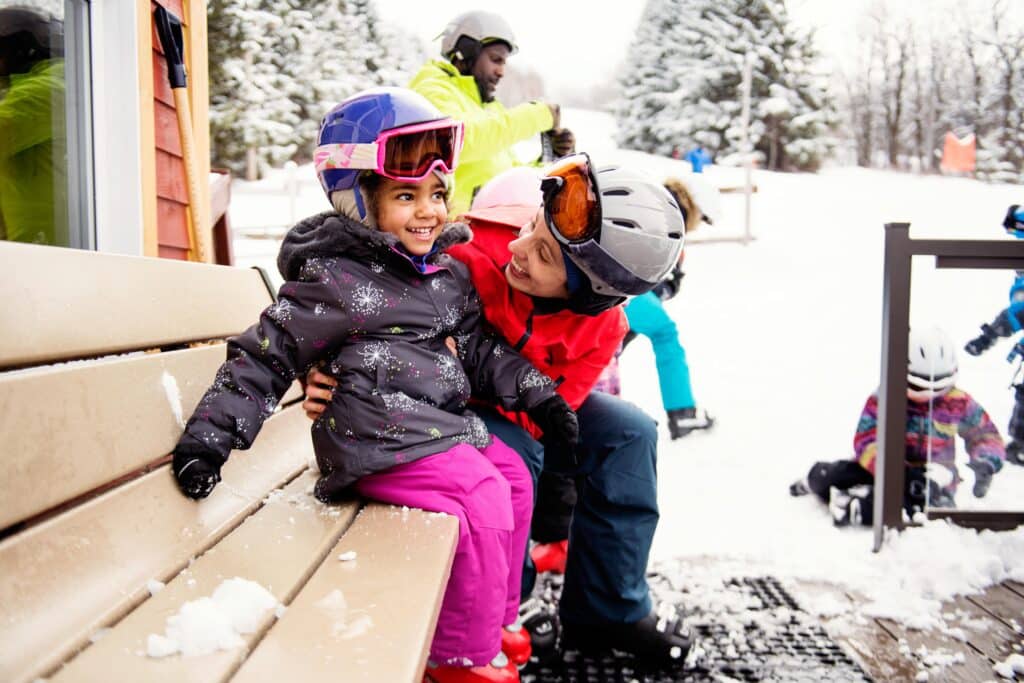
For families who aren’t sure whether skiing or snowboarding will become a regular winter activity, beginner-focused programs can make trying the sports less of a financial commitment.
The SnowStart Kidz Pass, for example, is available once for children ages 6–12 and provides up to three visits at every participating ski area for $39.99 plus tax. It’s designed to give kids an affordable opportunity to discover skiing and snowboarding without requiring families to purchase a full-season pass.
Programs like this can be especially useful for families who are trying out a new sport. Rather than spending hundreds of dollars on equipment and a season pass before knowing whether the kids will enjoy the sport, you can use a beginner program to get a few days on the hill and see how it goes.
They can also make it easier to explore different local hills and find the places and terrain that work best for your family. One child may prefer a smaller hill with a relaxed atmosphere, while another may be eager to explore a larger resort once they gain confidence.
Before purchasing any pass or program, check the current eligibility requirements, participating ski areas, age restrictions, and expiration dates. Programs can change from season to season, so make sure you’re looking at the information for the winter ahead.
And don’t assume that a season pass is automatically the best value. If your family is new to skiing or only expects to visit a few times, paying as you go, or using a multi-visit or beginner pass, may make more sense.
Once back-to-school routines begin, family calendars have a way of filling up quickly. Between sports practices, birthday parties, school events and weekends away, those snowy days you imagined in August can easily evaporate.
Instead, choose a few potential ski or snowboard days now and put them on the calendar. You don’t have to commit every weekend. Start with a handful of dates that look realistic and build from there.
Planning ahead can also help families take advantage of early-season pricing, introductory offers and other advance-purchase opportunities. Some programs and passes may be less expensive when purchased before the season begins. Lessons and rentals can be easier to arrange when you’re not competing for last-minute availability.
Think beyond Saturdays, too. If your schedule allows, weekday or evening skiing can sometimes offer better value and smaller crowds. A few hours on a weeknight may be more manageable than trying to dedicate an entire weekend day to the slopes.
There’s another benefit to planning ahead: anticipation. Having a few winter adventures to look forward to can give families something positive to focus on as the days become shorter and colder.
And when those days arrive, a ski or snowboard outing offers more than time outside. It’s an opportunity for fresh air, physical activity and time together away from screens and busy schedules.
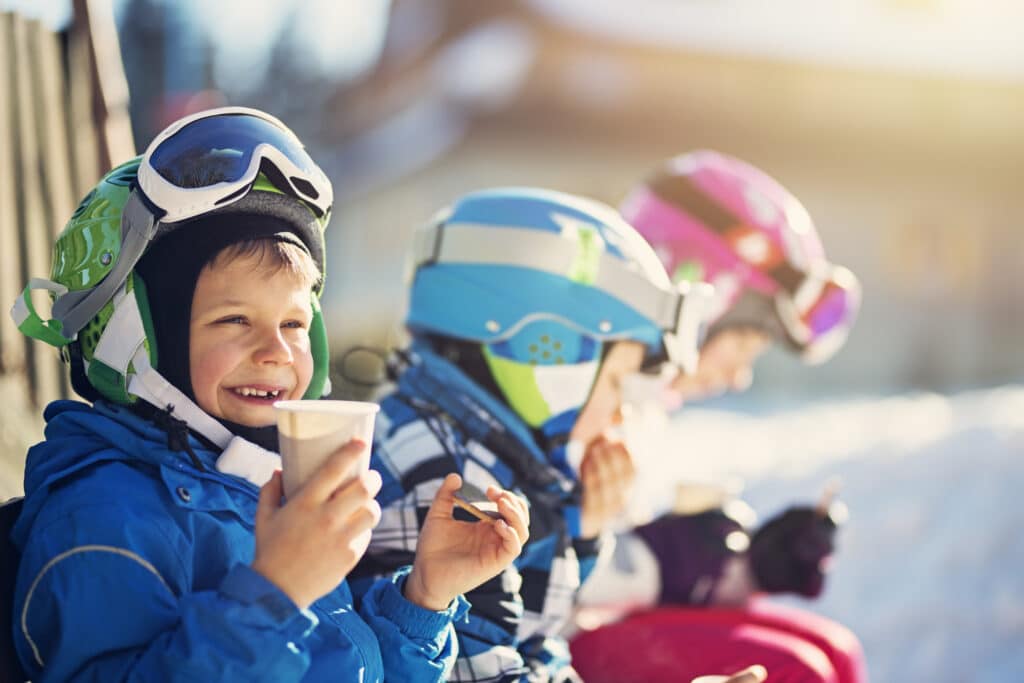
You don’t need the latest equipment, a season pass, or years of experience to start skiing or snowboarding. You simply need a willingness to try and a plan that works for your family.
For families who already ski or snowboard, planning ahead can help reduce the cost of another season.
For those who are new to the sports, it can make trying them feel much less daunting.
As you’re sorting out extracurricular activities and setting the household budget for the year ahead, consider setting aside a little room for snowy days. Start by finding your local ski area and asking about beginner programs. Explore equipment options before the season gets underway, compare rental and package prices, and look for multi-visit or beginner passes that can lower the cost of getting started.
Most importantly, put a few winter dates on the calendar now. When the snow finally arrives, you’ll already have a plan.
A little preparation in late summer or early fall could save hundreds over the course of the season—and turn cold winter weekends into something the whole family looks forward to.
 Helping Our Children Learn, Grow and Find Their Way. Find Great Tips in Education Issue 2026
 Rothewood Academy South Delta offers a holistic approach to early education.
 I Spy 5 Family Friendly Wild Salmon Viewing Spots In BC
 A Celebration of Young Musicians: 2026 Vancouver International Music Festival-Competition Gala Concert
 When September Asks More of the Whole Family – Returning Back to School 2026
Rainy summer days hold a particular kind of energy.
Most adults look back on their childhood summers with a certain degree of nostalgia, but as someone who grew up in the ‘90s, I can’t help but think that there was something truly special about those years. Parents, usually mothers, were background figures, accessible in emergencies but otherwise seen only during mealtimes—and sometimes not even…
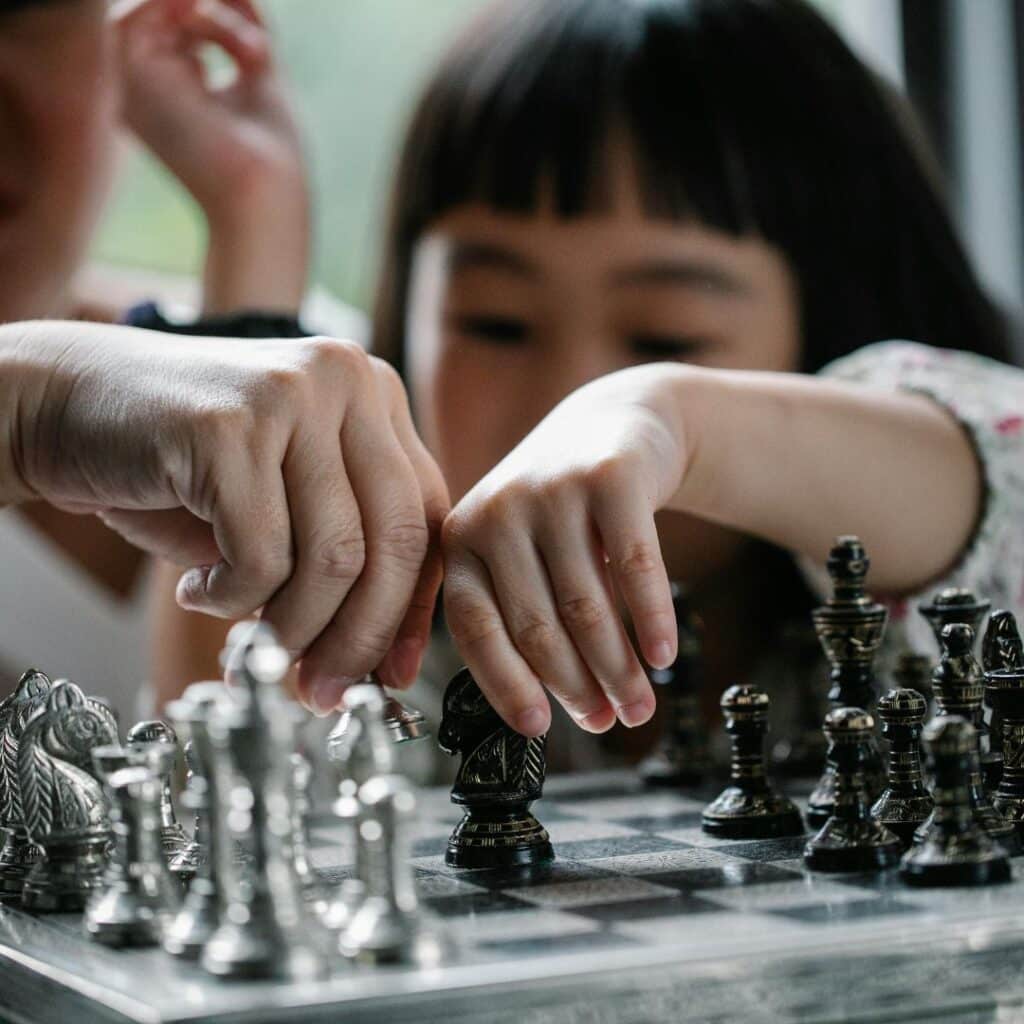
Chess gives kids a safe place to make decisions on their own. Should I move this piece? Should I protect that one?