
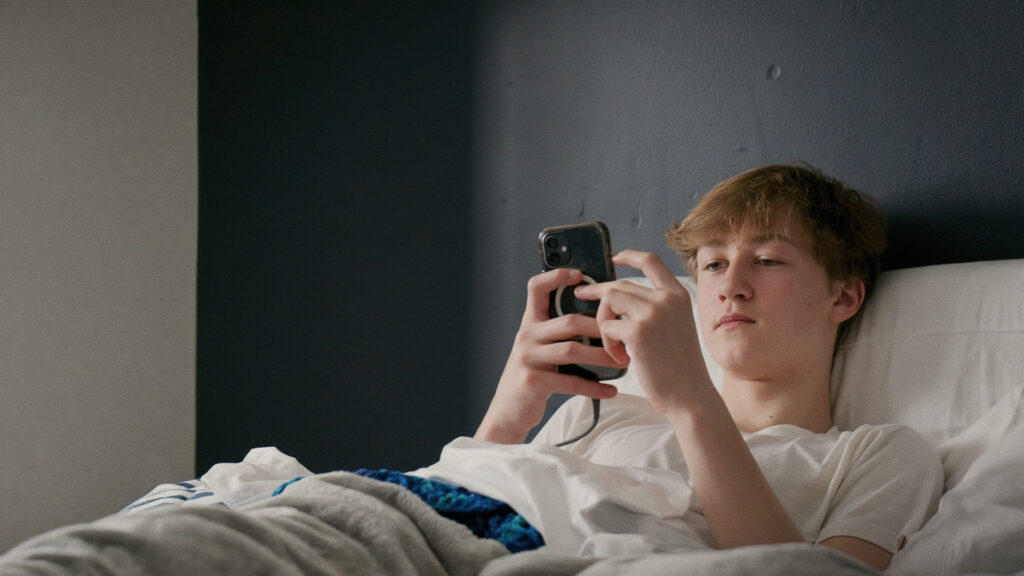


Ready, Set, Snow: 5 Ways Families Can Save on Skiing
9 min read
SnowStart Kidz Pass, for example, is available once for children ages 6–12 and provides up to three visits at every participating ski area for $39.99 plus tax.
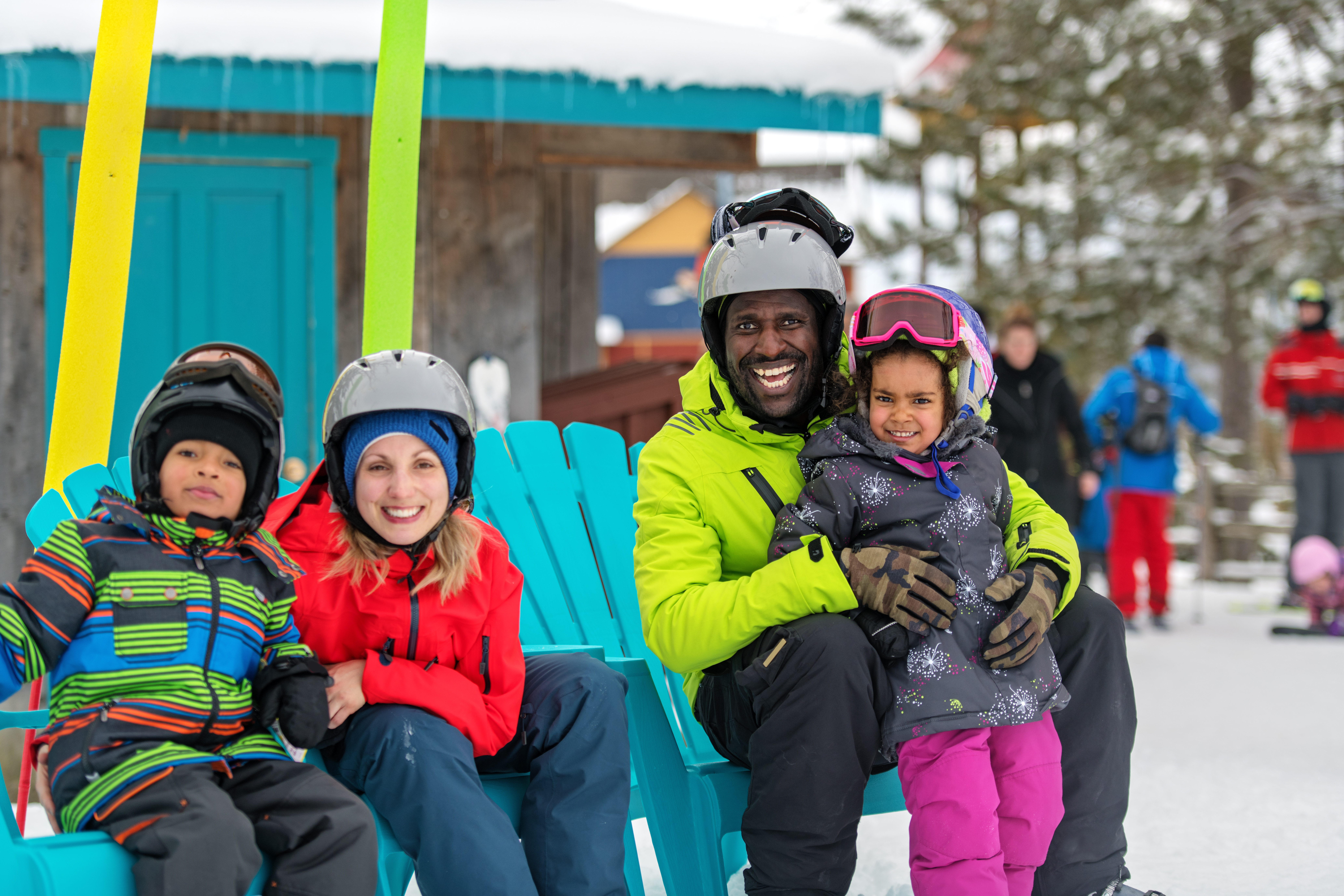
Most adults look back on their childhood summers with a certain degree of nostalgia, but as someone who grew up in the ‘90s, I can’t help but think that there was something truly special about those years. Parents, usually mothers, were background figures, accessible in emergencies but otherwise seen only during mealtimes—and sometimes not even then; often we just rummaged for snacks. We kids roamed freely, found random playmates, and invented extravagant multi-day games. New friendships were forged, then forgotten 10 weeks later.
I was fortunate to grow up on the edge of a small lake in Muskoka, Ontario. From the time school ended in June till it restarted in September, I put on my bathing every single morning and jumped in the lake a dozen times a day. My friends came for sleepovers in my treehouse, until I fell out and broke my arm, at which point we relocated to the screened porch.
We built blanket forts on the dock, fished for small rock bass that we named and kept in buckets, lounged in the hammock, and devoured YA novels from the library. Countless hours were spent floating in black rubber inner tubes that seared our skin unless we coated them first in lake water.
There was an abundance of sunburns, bug bites, scabby knees, greasy hair, and stained T-shirts. We didn’t care, and neither did our parents. We were too busy entertaining ourselves to be concerned about hygiene or appearance. Were we ever bored? At times, yes, but it was a fleeting sensation, replaced by the slightly panicked thought that there wouldn’t be enough time to do all the things we wanted to do in the limited time we had.
Now that I am a parent of three school-aged children, I can’t help but want them to have the same glorious summer memories. I am also aware of the irony of trying actively to recreate a ‘90s-style summer, which runs counter to its very essence. A ‘90s summer is what happens when parents get out of the way and just let kids be. So, perhaps that should be our goal—to do less, so that our children can do more on their own. Not only does this make our job easier overall, but it gives them a greater sense of autonomy and self-motivation to entertain themselves in interesting ways.
How can we do that? Each family will have a different approach, based on kids’ ages and parental work schedules, but here is some general advice, based on my personal experience as a mother of three adolescents and my professional background as an author of two books on limiting screen time and prioritizing free play.
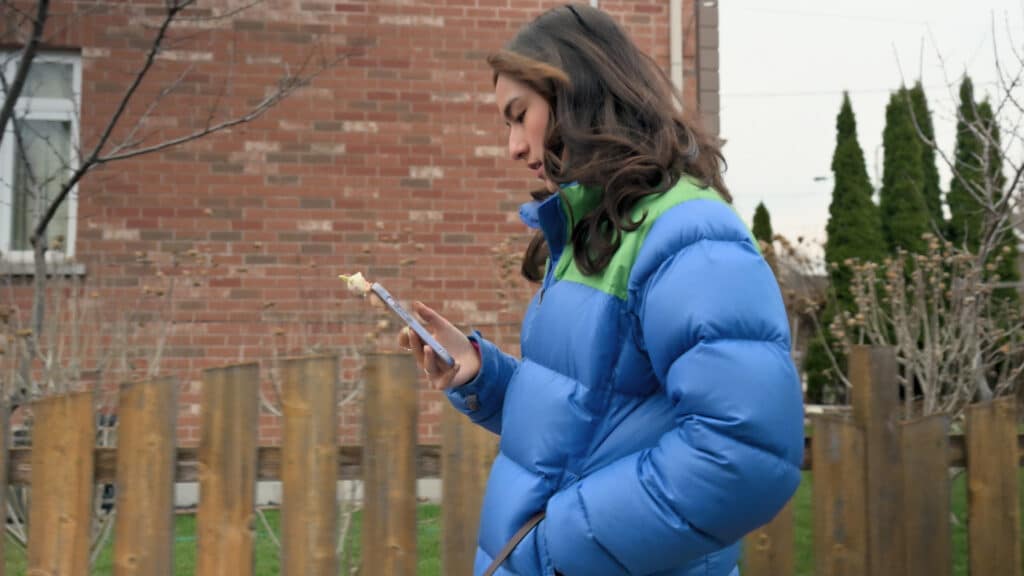
We didn’t have smartphones or tablets back in the ‘90s, which meant that we were highly incentivized to get up off the couch, go outside, and find friends to play with. Canadian youth now spend an average of 5.2 hours per day on screens, which is more than double the recommended 2-hour limit. We can do our own kids a favour by getting rid of the handheld devices this summer and insisting that they spend their time engaged in other, more active forms of play. (Check out Rogers’ Screen Break initiative for additional tips and resources.)
There’s nothing wrong with watching a movie on a rainy day, but the rest of the time, spare yourself the ongoing battle over screen time limits by setting a firm no-devices rule for the summer. They will protest at first, but they will adjust—and you’ll be amazed by what they come up with.
Getting rid of devices is the first step, but then you have to open the front door and send them outside to play. Nature provides just the right level of stimulation for children of every age and ability. It is full of playthings—trees, sticks, bugs, mud, rocks, bodies of water—that spark creative and physical games. It restores and rejuvenates in a way that indoor play cannot match, reducing stress, boosting one’s mood, and triggering the release of dopamine, the feel-good hormone. Outdoor play wears kids out in the best possible way, making them feel like they’ve made the most of their day and resulting in a good night’s sleep.
Equip them with a hat, sunscreen, and bug spray, if you wish (though that’s a departure from the ‘90s). Set up a sprinkler to cool them off, spread a blanket under a shady tree for reading and lounging, serve meals in the backyard, put art supplies on the picnic table. Encourage them to ride their bikes to find friends. If they’re young, or you don’t have a yard or neighbourhood that’s conducive to roaming, take them to a park and let them play while you read, work, or visit with a friend.
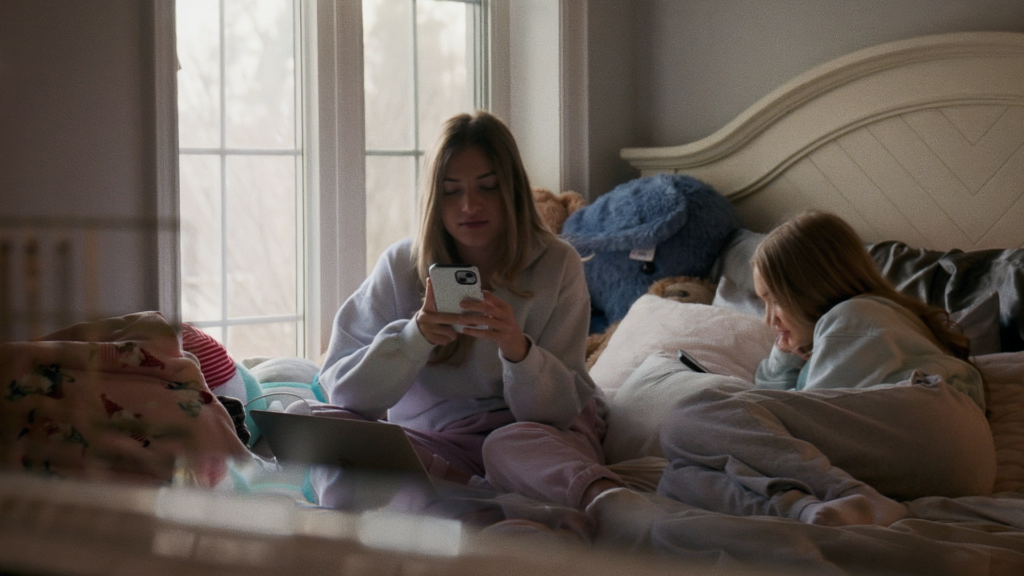
Our society has an unfortunate aversion to boredom. Boredom is an uncomfortable state for anyone to inhabit, but that’s precisely why kids are highly incentivized to move through it to what exists beyond—new discoveries, hobbies, interests, and skills that they might not have discovered had their attention been captured elsewhere.
Fight the urge to entertain your child if they claim to be bored; instead, tell them that you can’t wait to see what they come up with, and then let them be. The ability to entertain oneself is a skill that must be developed over time. Make a list of “boredom busters” together and refer your child to it whenever they complain about not knowing what to do. (Expert point: If you offer to assign chores, they will quickly come up with things to do on their own!)
I love this term because it does a good job at describing exactly the kind of parent I strive to be. A lifeguard parent remains in the background, aware of what’s going on but only diving in when needed. A lifeguard parent knows what a healthy baseline for play looks like and recognizes when things start to go off the rails; they are also aware that children are remarkably capable individuals who often possess the ability to handle challenging situations without parental intervention, which is a great cure for anxiety.
We can bring back the best features of a ‘90s summer by stepping back and letting our children play freely and actively, untethered to a schedule, guided by curiosity and imagination. This is our chance to give them the same sorts of summer memories that we ourselves cherish and appreciate.
Katherine Martinko, author of Childhood Unplugged: Practical Advice to Get Kids Off Screens and Find Balance — the practical, solutions-forward voice for what a 90s summer can actually look like in a 2026 household, and how you can implement one.
 Helping Our Children Learn, Grow and Find Their Way. Find Great Tips in Education Issue 2026
 Rothewood Academy South Delta offers a holistic approach to early education.
 I Spy 5 Family Friendly Wild Salmon Viewing Spots In BC
 A Celebration of Young Musicians: 2026 Vancouver International Music Festival-Competition Gala Concert
 When September Asks More of the Whole Family – Returning Back to School 2026
SnowStart Kidz Pass, for example, is available once for children ages 6–12 and provides up to three visits at every participating ski area for $39.99 plus tax.
A family road trip is magic, the highway, the flyover small towns no one ever goes to otherwise; kids pointing out cows in Africa back at the Africans like they show them cows every crazy weekend. However, people who have spent four hours travelling with a non-napping toddler and a five-year-old asking for the seventeenth…
Kidlit is evolving, with graphic novels booming and reaching a wider age range than ever before.