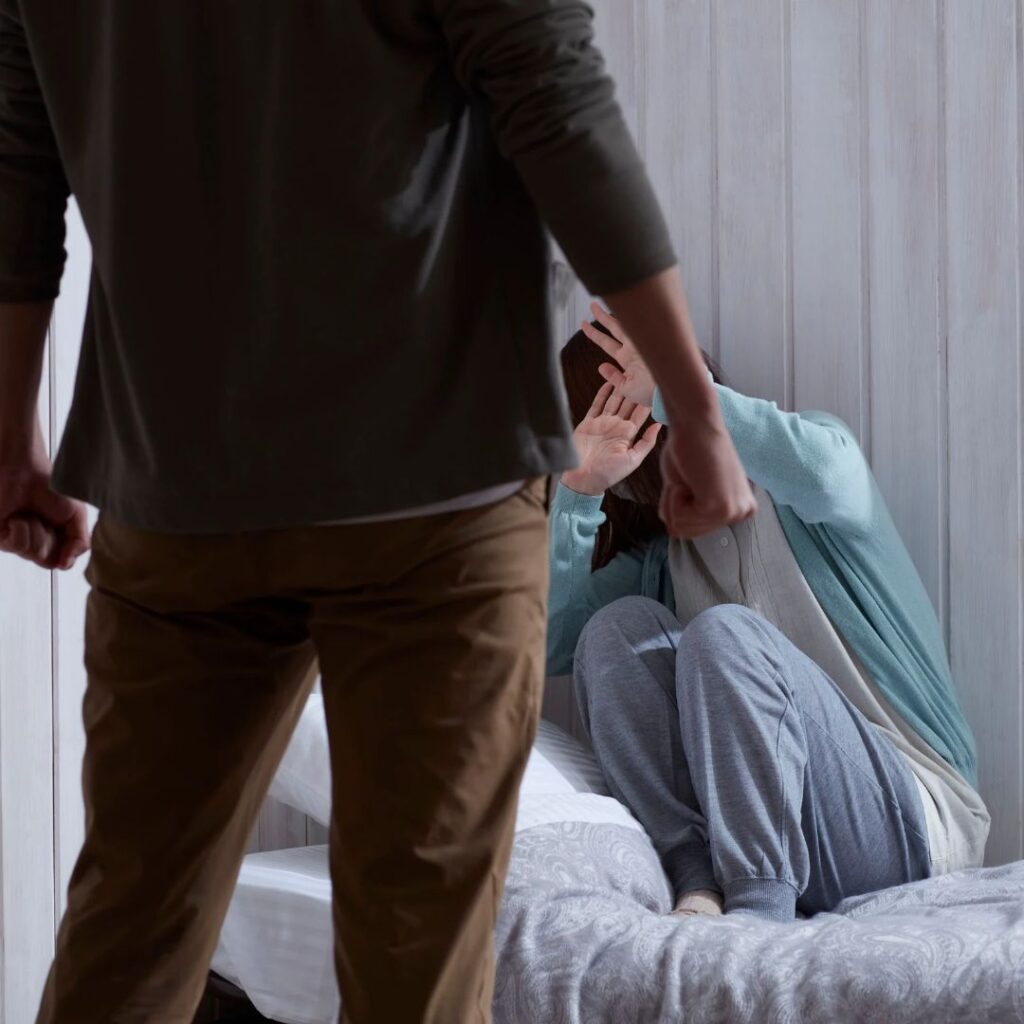
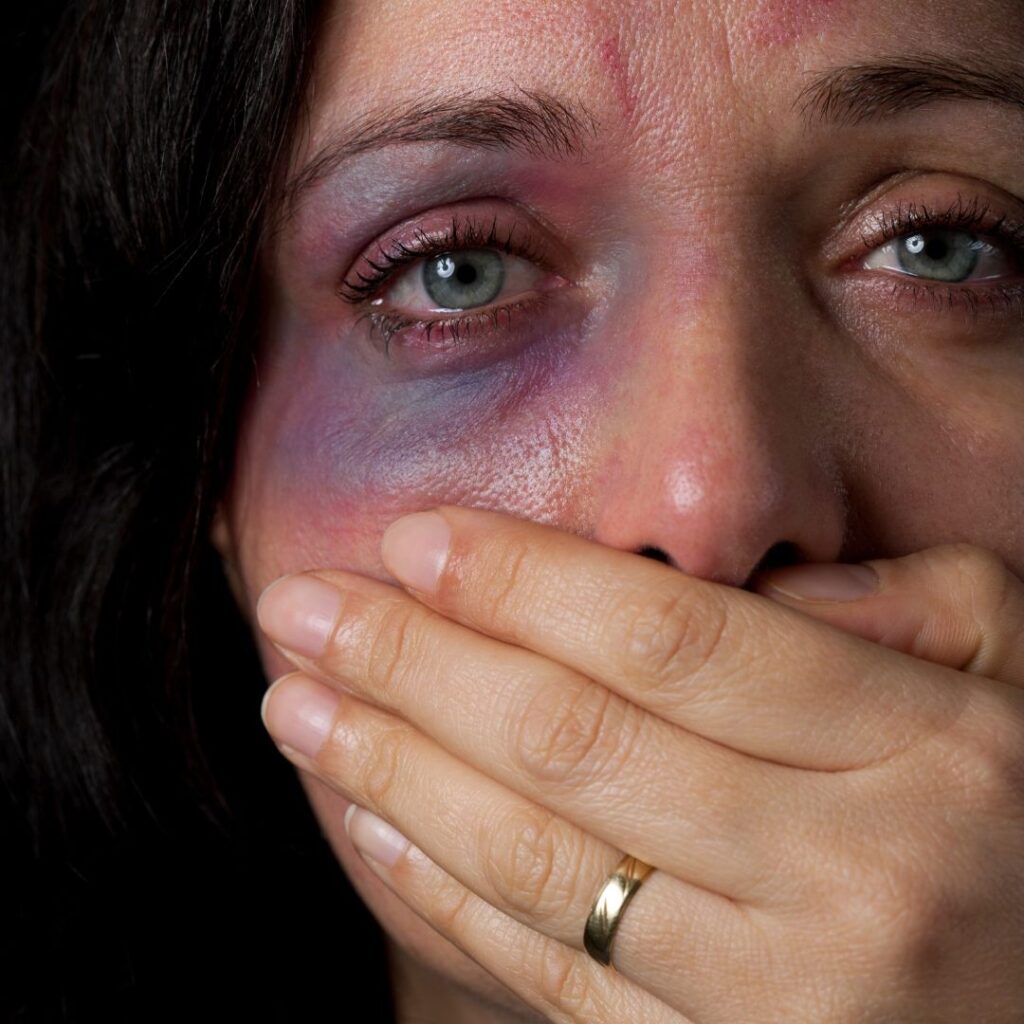
Domestic Violence Awareness Month is a reminder that not every home is a safe haven, not every marriage is a happy one, and not every person who smiles in public is okay behind closed doors. It is also an opportunity to confront an uncomfortable truth: many marriages and intimate relationships are struggling in silence, and too many people feel they cannot speak openly about what they are experiencing.
From the outside, a marriage may look beautiful. There may be family photographs, anniversary celebrations, matching outfits, social media declarations of love, and public appearances that suggest everything is well. Yet behind those carefully maintained appearances, someone may be living in fear, walking on eggshells, or trying to survive a relationship that has become emotionally, physically, sexually, or financially abusive.
The question is: How many people are suffering in silence because they are afraid of what others will say if they speak up?
When Marriage Becomes a Place of Pain
Marriage is often portrayed as a beautiful milestone, a partnership built on love, trust, companionship, and shared dreams. However, the reality is that some marriages experience challenges that go far beyond ordinary disagreements. What begins as controlling behaviour, constant criticism, intimidation, or emotional manipulation can gradually develop into a pattern of abuse.
Domestic violence is not limited to physical assault. It can include emotional and psychological abuse, sexual violence, financial control, threats, isolation from family and friends, and other behaviours intended to intimidate or control a partner.
Sometimes, the signs are difficult to recognise, especially when abuse happens gradually. A partner may dismiss hurtful comments as jokes, justify excessive jealousy as love, or interpret controlling behaviour as concern. Over time, the person experiencing abuse may begin to question their own judgement, lose confidence, and believe that what is happening to them is somehow their fault.
And because marriage is often associated with commitment, patience, and sacrifice, some people feel pressured to endure situations that are harming their wellbeing.
But commitment should never require someone to surrender their safety, dignity, or sense of self.
Why So Many People Choose to Remain Silent
One of the biggest challenges in addressing domestic violence is that many people do not speak about what they are experiencing. This silence is not necessarily a sign that everything is fine. Sometimes, it reflects the complexity of the situation and the fear of what might happen if the truth comes out.
In many communities, marriage carries significant social and cultural expectations. Couples are encouraged to stay together, protect the family name, and resolve their problems privately. While seeking privacy during ordinary relationship disagreements can be reasonable, the expectation to keep abuse hidden can be dangerous.
A person experiencing domestic violence may fear being judged, blamed, or told that they are not doing enough to save their marriage. Others may worry about their children’s wellbeing, financial dependence, housing, or the possibility of losing relationships with family and friends.
There is also the fear of starting over.
For someone who has invested years in a marriage, built a home, raised children, and shared financial responsibilities with a partner, leaving may feel overwhelming. They may still love the person hurting them, hope that things will change, or remember the happier days when the relationship felt different.
In other situations, speaking up may increase the risk of retaliation, particularly when the abusive partner is controlling or threatening.
This is why asking, “Why don’t they just leave?” is often the wrong question. A more compassionate question is, “What support, safety, and resources would make it possible for them to seek help?”
The Pressure to Maintain a Perfect Marriage
Social media has added another layer to the pressure many couples face. We regularly see celebrations of weddings, anniversaries, romantic holidays, family vacations, and seemingly perfect relationships. Although these moments can be genuine and worth celebrating, they can also create the impression that everyone else has figured marriage out.
For couples who are struggling, this can deepen feelings of inadequacy and isolation.
Some people may feel embarrassed to admit that their marriage is falling apart. Others fear that friends who celebrated their wedding will question their decision to leave, or that relatives will view separation as personal failure.
Consequently, people may continue presenting a picture of happiness long after the relationship has become harmful.
However, we must remember that a marriage’s appearance does not tell its full story. A couple’s public affection does not prove that their private relationship is healthy, just as keeping relationship struggles private does not automatically mean abuse is occurring.
We must create room for honest conversations about marriage without assuming that every struggling relationship is abusive or that every person who leaves has failed.
Ordinary marital conflict and domestic abuse are not the same. Disagreements can be addressed through communication and mutual effort when both partners feel safe and respected. Abuse involves patterns of power, intimidation, harm, or control that cannot be solved simply by asking the victim to communicate better or be more patient.
The Impact on Children and Families
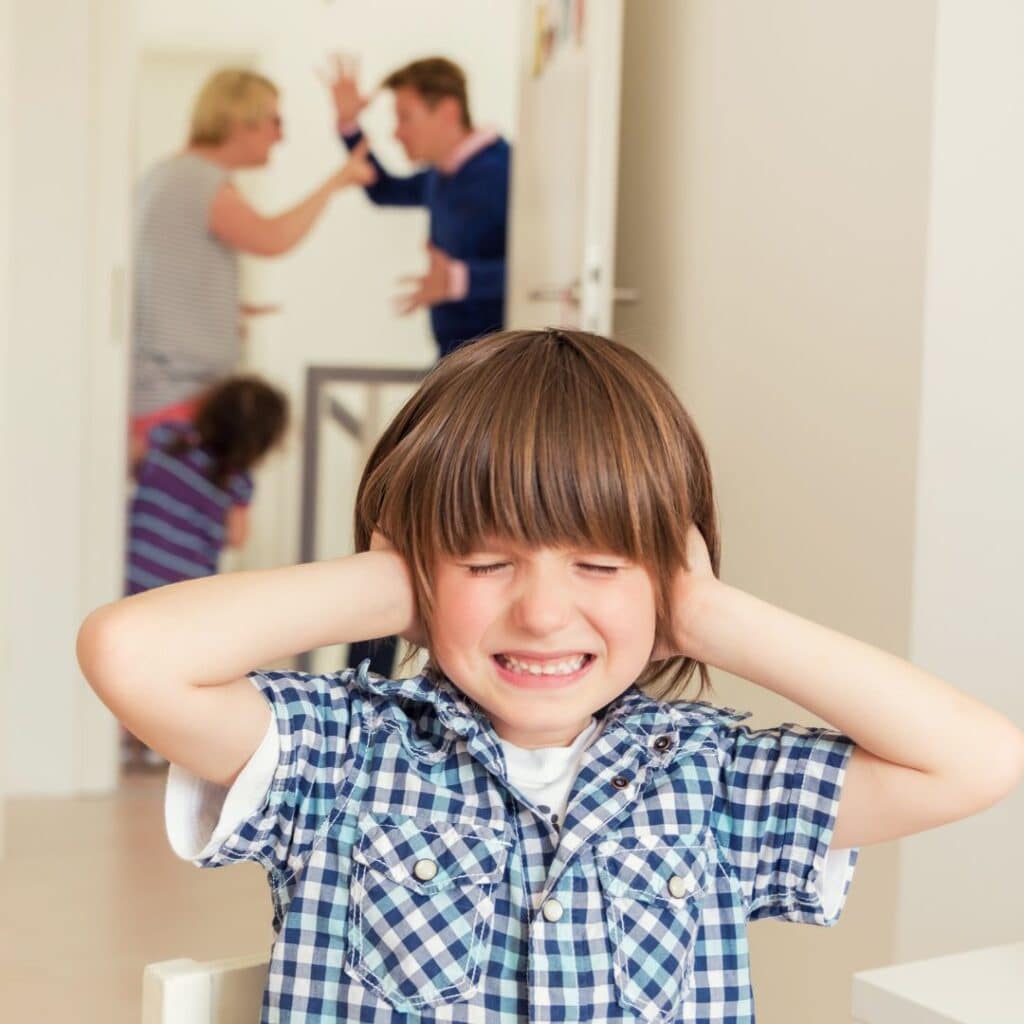
Domestic violence rarely affects only the two people in a relationship. Children who witness violence or live in homes characterised by fear, threats, and intimidation can experience emotional distress, anxiety, and difficulties with their sense of security.
Even when children are not directly assaulted, growing up around abuse can shape how they understand love, conflict, and relationships.
They may come to believe that violence is a normal part of marriage, that one partner is entitled to control the other, or that silence is the price of keeping a family together.
Breaking the cycle requires more than encouraging couples to stay together. It requires creating homes where safety, respect, accountability, and emotional wellbeing are priorities.
Sometimes, protecting a family means seeking professional intervention, establishing safe boundaries, or leaving a dangerous environment.
How Can We Become Part of the Solution?
Domestic Violence Awareness Month should be more than a campaign marked by ribbons, hashtags, and social media posts. It should encourage us to examine how we respond when someone confides in us about what is happening at home.
We can begin by listening without judgement. If someone shares their experience, resist the urge to immediately ask what they did to provoke their partner or why they tolerated the situation for so long. Believe them, take their concerns seriously, and allow them to share at their own pace.
We should also stop treating separation or divorce as automatic evidence of failure. While every relationship has its own circumstances, no one should be pressured to remain in an abusive situation simply to satisfy society’s expectations.
Friends, relatives, religious leaders, employers, and community organisations all have a role to play in helping people access appropriate support. Where there is abuse, recommending couples counselling as the first or only solution may be unsafe. Individual, specialist support and safety planning may be more appropriate.
Most importantly, we must recognise that helping someone does not mean making decisions for them. It means offering practical support, respecting their circumstances, and helping them explore safe options.
This Month, Let Us Make It Safer to Speak Up
Domestic Violence Awareness Month is a call to look beyond appearances and acknowledge the struggles that may be hidden within our homes and relationships.
There are people who are exhausted from pretending. People who have tried to make their marriages work but are afraid to admit how much they are hurting. People who stay silent because they fear judgement more than they trust the support available to them.
And there are people who have finally found the courage to speak, only to be met with blame, gossip, disbelief, or pressure to return to the very situations they are trying to escape.
We must do better.
Let us build communities where people can talk about relationship struggles without shame, where domestic violence is taken seriously, and where asking for help is seen as an act of courage rather than weakness.
Let us stop measuring the success of a marriage solely by how long it lasts and start recognising the importance of safety, respect, and dignity within it.
Because behind closed doors, someone may be fighting a battle we know nothing about.
Sometimes, the most important question is not, “Why did they leave?” but “What made it so difficult for them to speak up in the first place?”
This Domestic Violence Awareness Month, let us break the silence, challenge the stigma, and remind every person experiencing abuse that they deserve to live free from fear. No one should have to suffer in silence to prove that they are committed to their marriage.
Breast Cancer Awareness Month: A reminder to know your body, prioritise your health, and seek medical attention early. Every October, pink ribbons appear on social media, in workplaces, hospitals, and public spaces as the world marks Breast Cancer Awareness Month. We share messages of hope, celebrate survivors, honour those we have lost, and encourage one…
From infancy and toddlerhood to pre-kindergarten, these formative years bring extraordinary growth as our children discover who they are. But this is just the beginning of their development. Today, we are taking a close look at Rothewood Academy's holistic approach to early education and what this could mean for your child. From learning to communicate…
Let's talk on co-parenting, the worry usually starts small. Your son shrugs at the tablet and says he will talk to his dad another time. A call gets missed, then another. Nobody has done anything wrong, and yet the relationship feels thinner than it did six months ago. Distance rarely changes how much a parent…
Join our Newsletter to learn about what's happening with BC Parents!