

Ready, Set, Snow: 5 Ways Families Can Save on Skiing
9 min read
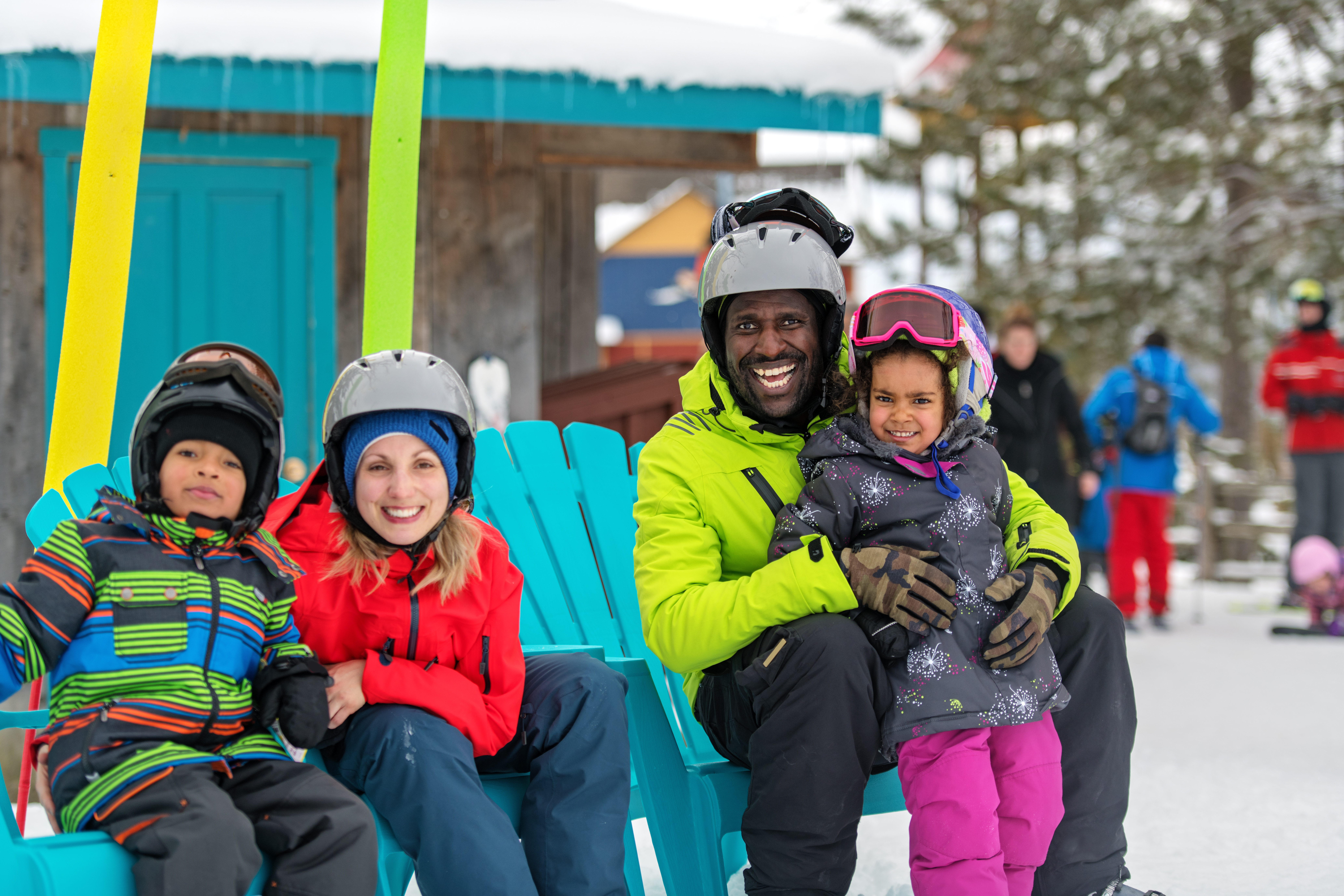
SnowStart Kidz Pass, for example, is available once for children ages 6–12 and provides up to three visits at every participating ski area for $39.99 plus tax.
Rainy summer days hold a particular kind of energy. Plans fall through, energy builds, and there’s more unstructured time than usual, often prompting kids to ask for screens to fill the void. With the right kind of support though, that time can actually open into something deeper: a space for children to follow an idea long enough to become absorbed in it.
We all want kids to experience more creative time, but it can often feel like it requires a lot of prep, clean up and adult supervision. And drawing, the simplest of creative activities, often lacks immediate appeal. Most parents have suggested it at some point: “Why don’t you go draw something?” It sounds like a simple invitation, but it is rarely an adequate starting point.
The blank page holds a kind of deep embedded tension. For some children, it feels full of possibility. For many, it feels like pressure– too open, too undefined, nowhere obvious to begin, or boring. Without a starting point, that blank page can stop a child before they even begin. What changes things is just enough of a starting place to move past that first barrier. Once they’re in, the page becomes something to build on, return to, and expand far beyond the original idea.
Creative thinking takes time to warm up. It often begins with hesitation, then slowly builds into a more focused, sustained state where children are no longer looking for direction or approval, but are engaged in their own deep thinking. Consistent drawing practice can become surprisingly expansive for child development. Educational research on simple imaginative drawing practice points to significant improvement in emotional regulation, focus and agency, as well as increased divergent thinking skills, idea generation and problem solving. Small moments at a table with pencils and paper can turn into big opportunities for kids to express ideas, take risks and feel heard. Over time, that confidence carries into other areas of their lives.
Creative flow doesn’t happen in the first five minutes. It often looks like hesitation, wandering, or even boredom and discomfort at the start. Resist the urge to redirect too quickly. Giving children longer, uninterrupted stretches of time allows them to move through that initial resistance and into more focused, imaginative thinking. Normalize the challenge of getting started.
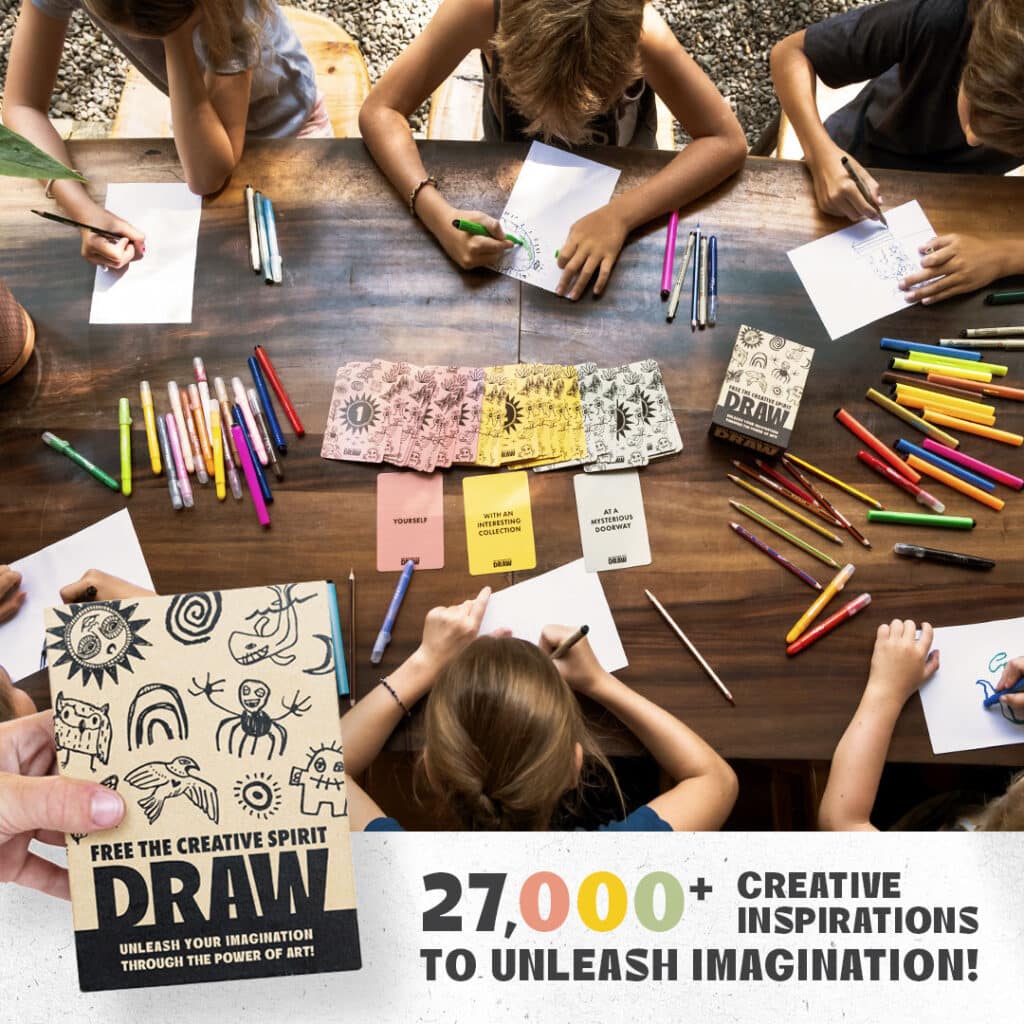
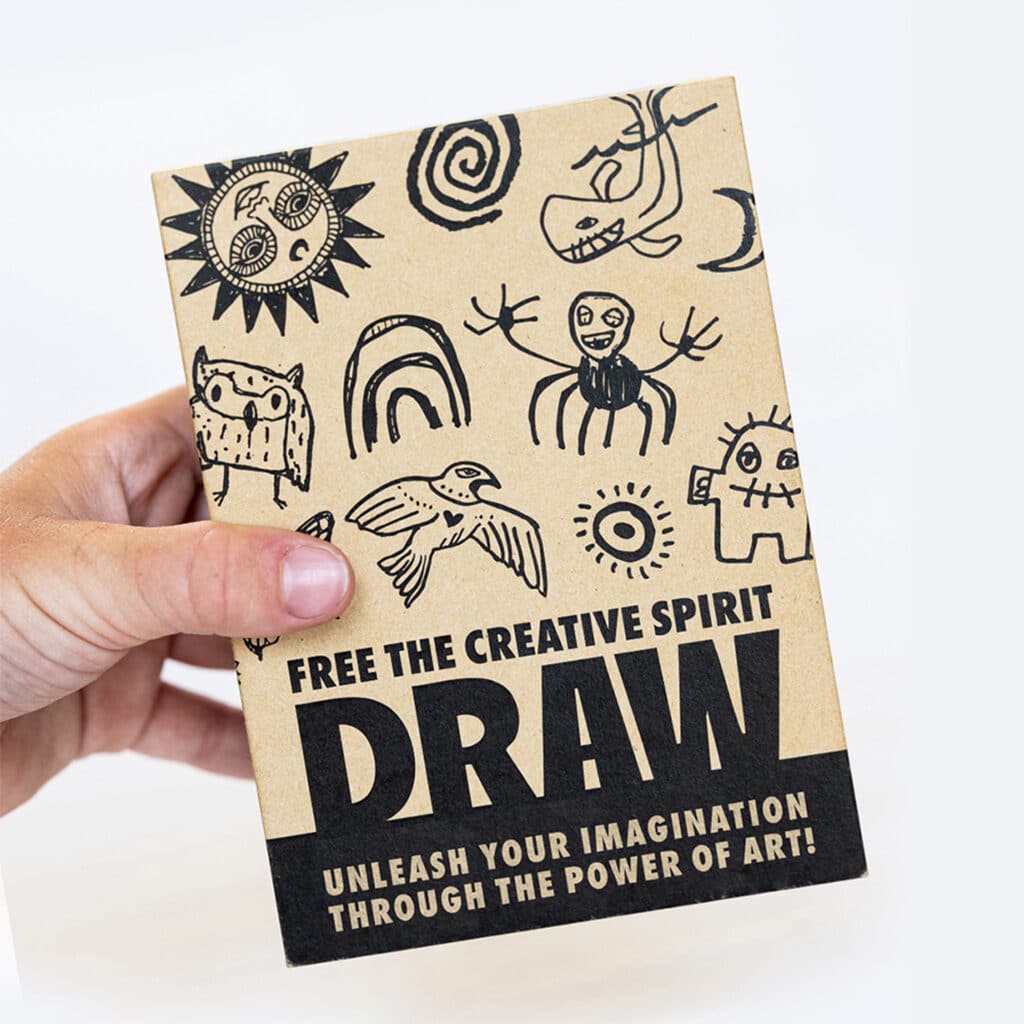
The biggest barrier to creativity is often getting started. Instead of asking, “What do you want to draw?”, offer a gentle entry point like a prompt, a theme, or a simple constraint. This is the idea behind DRAW, a card deck I created to make that starting moment easier. By combining a character, an action, and a place, kids have just enough structure to begin, without limiting where their imagination can go.
It’s natural to want to praise or guide, but frequent feedback can shift a child’s focus toward external approval. Try slowly fading into the background once kids get started. If they seek your engagement, try replacing “That’s so good!” with curiosity: “Tell me what’s happening here” or “What were you thinking about when you made this part?” This keeps the focus on their ideas, not your reaction to them, and returns them to the page.
Creative work doesn’t need to make sense right away, or at all. When children are allowed to explore unusual or unexpected ideas, they’re practicing flexible thinking. Let the idea evolve, even if it seems messy, unusual or unfinished.
If a child returns to their drawing, adds to it, or reimagines it, that’s a sign of deep engagement. Protect that momentum. Limit interruptions where possible, and treat their focus as something worth preserving. The ability to stay with a self-directed task strengthens intrinsic motivation over time.
Small responses have a big impact. When children feel that their ideas are welcomed and not corrected or reshaped, they become more willing to take creative risks. Over time, this builds a sense of ownership over their thinking.
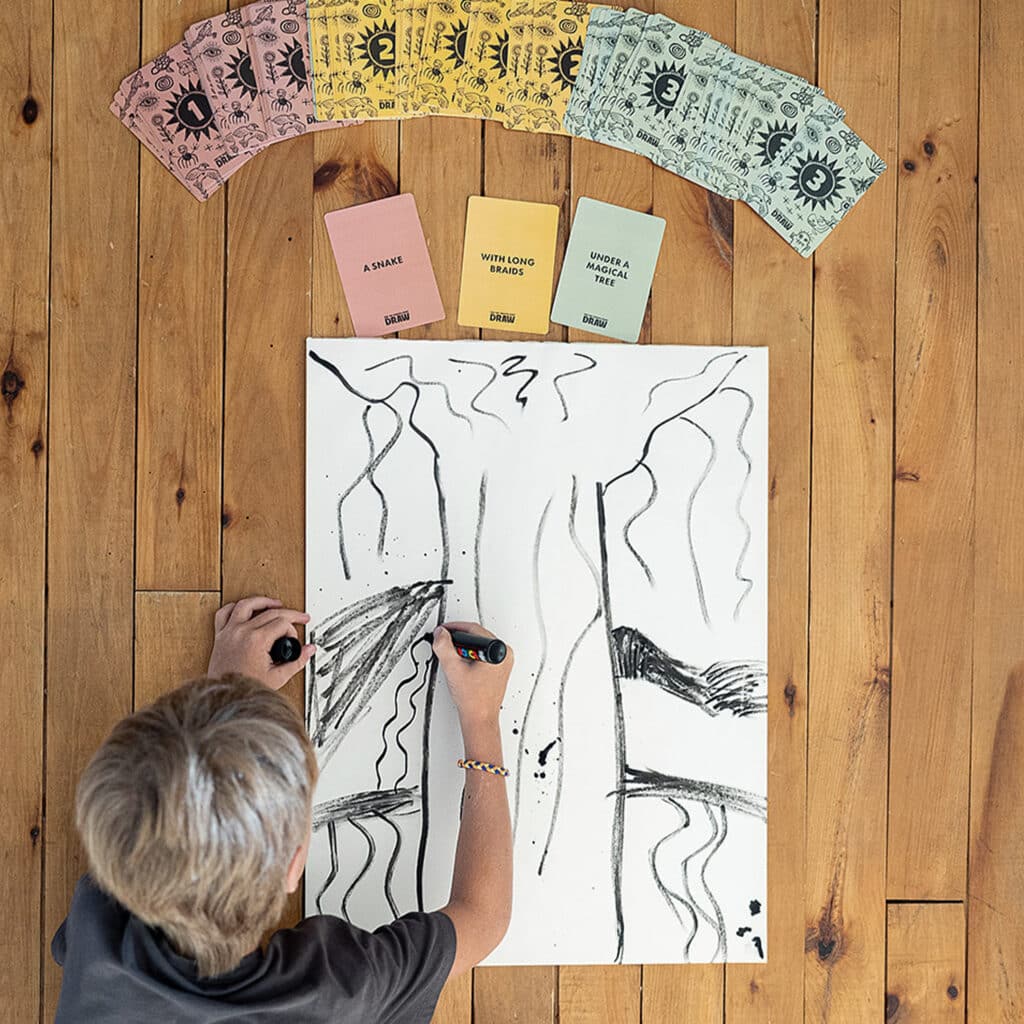
It’s really tempting to engage by guessing “Is that a cat?” or “That looks like a house.” But when you guess wrong, the child can feel misunderstood and even unsure of their own idea just as they are beginning to form it. Children benefit most from being the ones to name and explain their creations. Their thinking may not follow adult logic, and it doesn’t need to.
If you’re in the space, consider participating rather than observing. Creativity tends to close up under too much attention. Sitting down and making something of your own, without directing or evaluating, changes the dynamic. It becomes shared, not performed.
A blank page doesn’t need to stay blank for long. With the right kind of start and the space to stay with it, the page becomes something children can move through, build on, and make their own. The goal is that they create something uniquely their own. A skill to take with them in all areas of life!
Jenny Kastner is a professional artist, mother and graduate of OISE in Arts Education at the University of Toronto. She is the creator of DRAW, a card deck of art prompts designed to support open-ended play and creative confidence in children. Learn more at www.drawdeck.ca
 Helping Our Children Learn, Grow and Find Their Way. Find Great Tips in Education Issue 2026
 Rothewood Academy South Delta offers a holistic approach to early education.
 I Spy 5 Family Friendly Wild Salmon Viewing Spots In BC
 A Celebration of Young Musicians: 2026 Vancouver International Music Festival-Competition Gala Concert
 When September Asks More of the Whole Family – Returning Back to School 2026
SnowStart Kidz Pass, for example, is available once for children ages 6–12 and provides up to three visits at every participating ski area for $39.99 plus tax.
Most adults look back on their childhood summers with a certain degree of nostalgia, but as someone who grew up in the ‘90s, I can’t help but think that there was something truly special about those years. Parents, usually mothers, were background figures, accessible in emergencies but otherwise seen only during mealtimes—and sometimes not even…
Chess gives kids a safe place to make decisions on their own. Should I move this piece? Should I protect that one?