Every year from August 1 to 7, families, healthcare professionals, and communities around the world come together to celebrate World Breastfeeding Week (WBW). In 2026, the theme is “Prioritize Breastfeeding: Create Sustainable Support Systems,” highlighting the importance of creating lasting, equitable support for breastfeeding families.
For Canadian parents, World Breastfeeding Week is an opportunity to recognize that successful breastfeeding isn’t just about a mother and baby—it involves partners, families, healthcare providers, employers, and communities working together. Whether you’re expecting your first child, navigating the newborn stage, or supporting someone who is breastfeeding, understanding how to build a supportive environment can make all the difference.
What Is World Breastfeeding Week?
World Breastfeeding Week is an annual global campaign coordinated by the World Alliance for Breastfeeding Action (WABA) in partnership with the World Health Organization (WHO) and UNICEF. Since its launch in 1991, the campaign has focused on protecting, promoting, and supporting breastfeeding around the world.
Each year, the campaign raises awareness of the health benefits of breastfeeding while encouraging governments, healthcare organizations, workplaces, and communities to create environments where families receive the support they need to meet their breastfeeding goals.
The 2026 theme, “Prioritize Breastfeeding: Create Sustainable Support Systems,” reminds us that lasting support—not just during the first few days after birth, but throughout the breastfeeding journey—is essential for healthier families and stronger communities.
Why Breastfeeding Matters
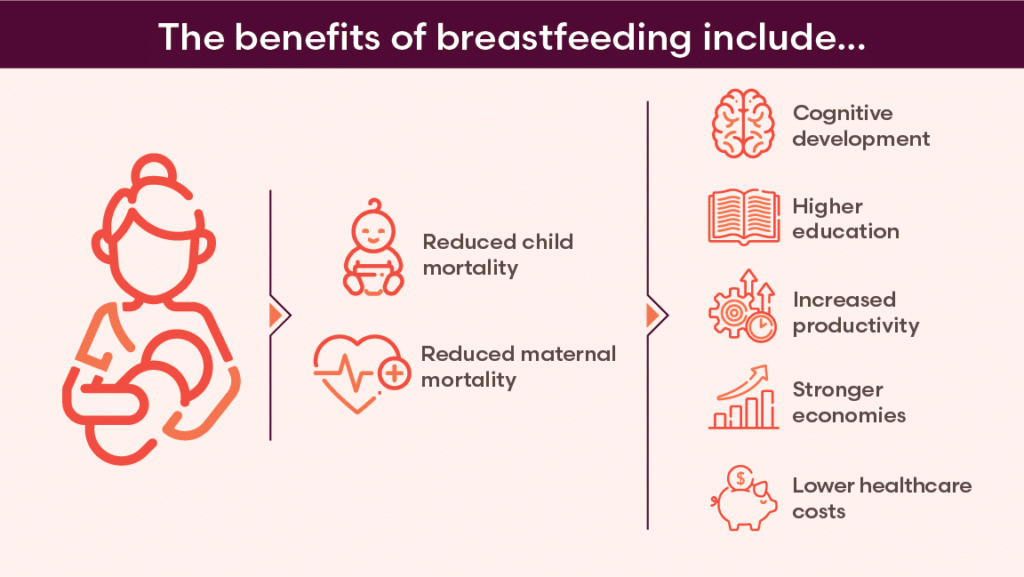
Breastfeeding provides more than nutrition. Human milk contains antibodies, enzymes, and nutrients specifically designed to support a baby’s growth and development.
Research has shown that breastfeeding can help:
Strengthen a baby’s immune system.
Reduce the risk of certain infections.
Support healthy brain development.
Promote bonding between parent and baby.
Support maternal recovery after birth.
Lower the mother’s risk of certain long-term health conditions.
It’s important to remember that every family’s feeding journey is unique. While breastfeeding offers many benefits, it may not be possible or the right choice for every family. Parents deserve evidence-based information, compassionate care, and support without judgment, regardless of how they feed their baby.
Sustainable Support Starts with Families
One of the biggest messages of World Breastfeeding Week 2026 is that breastfeeding should never be considered solely a mother’s responsibility.
Partners, grandparents, siblings, friends, and caregivers all have important roles to play. Practical support can include:
Preparing meals and snacks.
Helping with household chores.
Caring for older children.
Encouraging rest and recovery.
Offering emotional reassurance during challenging moments.
Small acts of support allow new parents to focus on feeding and bonding with their baby while reducing stress during the postpartum period.
The Role of Canadian Healthcare Professionals
Canada offers a wide range of breastfeeding support through hospitals, public health units, family physicians, midwives, nurses, and lactation consultants.
Healthcare professionals can help parents by:
Assisting with breastfeeding positioning and latch.
Addressing common challenges such as sore nipples or engorgement.
Monitoring infant growth and feeding patterns.
Identifying tongue ties or other feeding concerns.
Providing referrals to specialized breastfeeding services when needed.
Seeking help early can often prevent small challenges from becoming overwhelming. Parents should never feel that asking for support is a sign of failure—it is a normal part of the learning process.
Why Workplace Support Matters
Returning to work is one of the biggest transitions many Canadian parents face after welcoming a baby.
Supportive workplaces can make breastfeeding more manageable by offering:
Flexible scheduling where possible.
Private, clean spaces for expressing milk.
Access to refrigeration for safe milk storage.
Understanding supervisors and colleagues.
Clear workplace policies that support nursing employees.
When employers invest in family-friendly policies, they help parents balance work responsibilities with infant feeding goals.
Community Support Makes a Difference
Parents often say that one of the greatest challenges during the newborn stage is feeling isolated.
Communities can help by creating welcoming spaces where breastfeeding is accepted and supported. This may include:
Parent support groups.
Breastfeeding education classes.
Community health centres.
Family resource programs.
Peer support networks.
Connecting with other parents who have shared similar experiences can provide reassurance, practical advice, and confidence during the early months.
Common Breastfeeding Challenges
While breastfeeding is natural, it is also a learned skill for both parent and baby.
Some common challenges include:
Difficulty with Latching
Some babies need time and practice to develop an effective latch. Lactation support can often make a significant difference.
Concerns About Milk Supply
Many parents worry they are not producing enough milk. A healthcare professional can help assess feeding effectiveness and infant growth before assuming supply is low.
Pain During Feeding
Persistent pain is not something parents should simply endure. Pain may indicate positioning issues or other concerns that deserve professional assessment.
Balancing Feeding with Daily Life
Managing sleep deprivation, household responsibilities, and other children can make breastfeeding feel overwhelming. Accepting help from family and friends can reduce stress.
Every Feeding Journey Looks Different
One of the most important messages for parents is that there is no “perfect” breastfeeding journey.
Some parents breastfeed exclusively. Others combine breastfeeding with expressed milk or infant formula. Some breastfeed for months, while others continue well into toddlerhood. Medical conditions, infant health needs, work schedules, mental health, and family circumstances all influence feeding decisions.
Parents deserve encouragement, not comparison.
Supporting breastfeeding also means respecting informed choices and ensuring every family receives compassionate care that meets their individual needs.
How Canadians Can Support World Breastfeeding Week
Everyone—not just parents—can contribute to a more supportive breastfeeding culture.
Here are a few simple ways to get involved:
Learn about the benefits of breastfeeding.
Offer practical support to new parents.
Respect breastfeeding in public spaces.
Encourage workplaces to adopt family-friendly policies.
Share reliable breastfeeding resources with friends and family.
Thank healthcare professionals and volunteers who support breastfeeding families.
Creating sustainable support systems begins with everyday actions that help parents feel seen, respected, and empowered.
A Stronger Future Starts with Supporting Families
World Breastfeeding Week 2026 reminds us that healthy beginnings require more than good intentions—they require communities that prioritize families every step of the way.
By building sustainable support systems at home, in healthcare settings, at work, and throughout our communities, we help parents feel confident in caring for their babies. Whether breastfeeding comes easily or presents challenges, no family should have to navigate the journey alone.
As Canadians celebrate World Breastfeeding Week from August 1–7, let’s remember that supporting parents today helps build healthier children, stronger families, and more connected communities for generations to come.
This version is optimized for readability and SEO, with a positive title that includes a number and a power word, making it well suited for a Canadian parenting publication.
From infancy and toddlerhood to pre-kindergarten, these formative years bring extraordinary growth as our children discover who they are. But this is just the beginning of their development. Today, we are taking a close look at Rothewood Academy's holistic approach to early education and what this could mean for your child. From learning to communicate…
Let's talk on co-parenting, the worry usually starts small. Your son shrugs at the tablet and says he will talk to his dad another time. A call gets missed, then another. Nobody has done anything wrong, and yet the relationship feels thinner than it did six months ago. Distance rarely changes how much a parent…