Protecting your family’s health with cleaner indoor air
As wildfire seasons become longer and more intense across British Columbia, protecting your family’s health has become more important than ever. While many people think staying indoors is enough to avoid smoke exposure, research shows that wildfire smoke can still enter our homes through windows, doors, ventilation systems, and even tiny cracks in buildings.
One of the most effective ways to improve indoor air quality during wildfire smoke events is by using a portable air purifier with a HEPA filter. These devices can significantly reduce harmful particles in your home, helping protect everyone—especially those who are most vulnerable.
Whether you’re caring for young children, older adults, or someone with asthma or heart disease, an air purifier can make a meaningful difference in creating a healthier indoor environment.
Why Wildfire Smoke Is a Health Concern
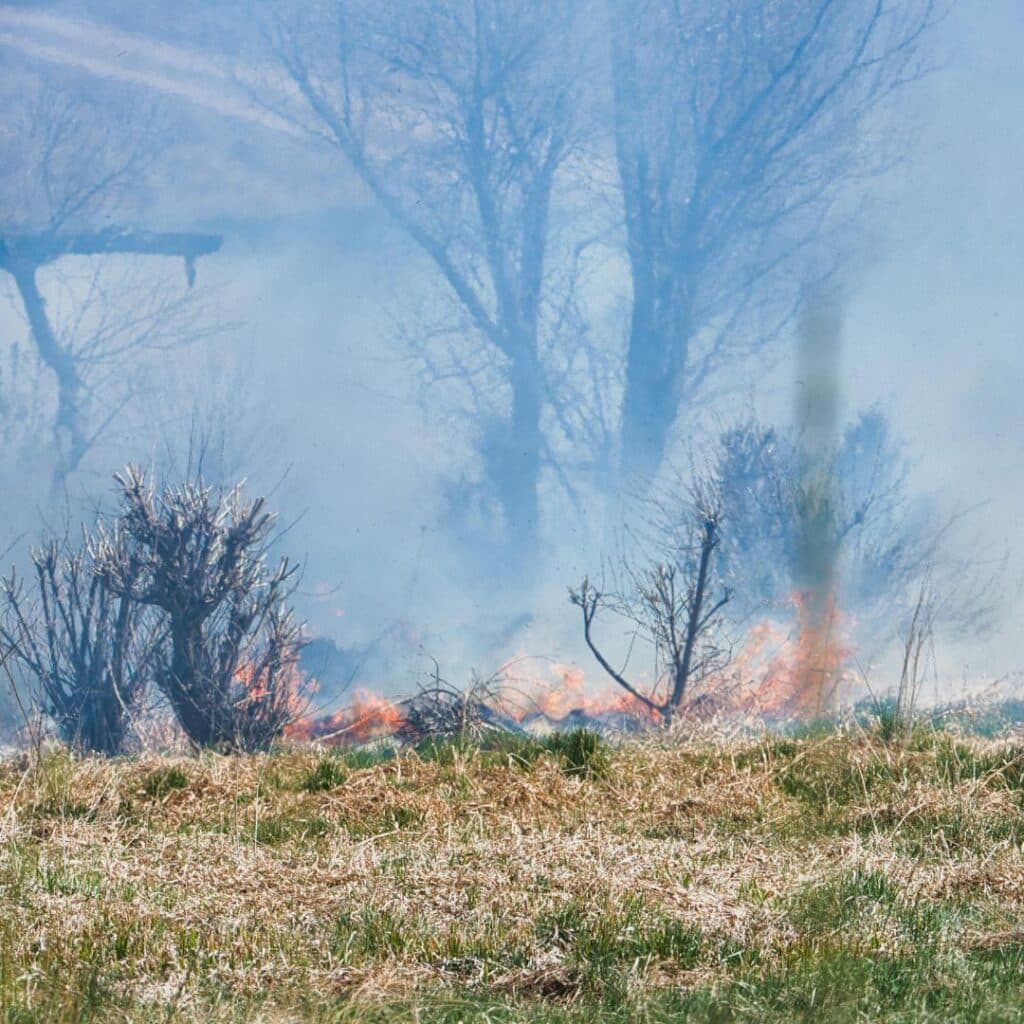
Wildfire smoke is more than just an unpleasant smell or hazy skies. It contains a mixture of harmful pollutants, including tiny particles known as PM2.5, which are small enough to travel deep into the lungs and even enter the bloodstream.
Exposure to wildfire smoke can cause immediate health effects such as:
Eye irritation
Sore throat
Coughing
Difficulty breathing
Headaches
Worsening asthma symptoms
Health experts are also learning more about the long-term effects of repeated smoke exposure, which may include worsening heart and lung disease, impacts on brain health, complications during pregnancy, and increased asthma risks in children.
Even if you don’t have an existing medical condition, prolonged exposure to wildfire smoke can affect your overall health and well-being.
Who Is Most at Risk?
Although wildfire smoke can affect anyone, some groups face a much higher risk of serious health complications.
According to Vancouver Coastal Health, those most vulnerable include:
Older adults
Infants and young children
Pregnant individuals
People living with asthma or chronic obstructive pulmonary disease (COPD)
Individuals with heart disease
People who work outdoors
Individuals living in homes without effective air filtration systems or portable air cleaners
If someone in your household falls into one of these categories, improving indoor air quality should be a priority during wildfire season.
Can Wildfire Smoke Get Inside Your Home?
Many homeowners assume that simply closing windows and doors will completely block wildfire smoke. Unfortunately, that’s not the case.
Smoke particles are incredibly small and can enter homes through:
Openings around doors and windows
Ventilation systems
Air leaks in older buildings
Frequent opening and closing of doors
Closing windows helps reduce smoke infiltration, but it doesn’t eliminate it entirely. This is where portable air purifiers become an essential tool.
The Power of a HEPA Air Purifier
A portable air purifier equipped with a High-Efficiency Particulate Air (HEPA) filter is specifically designed to capture fine airborne particles, including those found in wildfire smoke.
The Vancouver Coastal Health presentation highlights just how effective these devices can be.
Research cited in the presentation found that:
Closing windows alone reduced wildfire smoke indoors by only a small amount.
Adding a portable HEPA air cleaner reduced indoor wildfire smoke by approximately 71%, making it one of the most effective ways to improve indoor air quality during smoke events.
That’s a dramatic improvement that can make breathing significantly easier for your family.
Benefits of Using an Air Purifier
Investing in a portable HEPA air purifier offers benefits that extend beyond wildfire season.
Cleaner Indoor Air
Air purifiers continuously remove airborne particles, helping improve overall indoor air quality.
Reduced Smoke Exposure
During wildfire events, HEPA filters capture fine smoke particles before they circulate throughout your home.
Relief for Allergy and Asthma Sufferers
Many air purifiers also trap:
Dust
Pollen
Pet dander
Mold spores
This can reduce allergy symptoms and improve comfort for individuals with respiratory conditions.
Better Sleep
Cleaner air often means easier breathing, fewer nighttime symptoms, and more restful sleep—especially during periods of poor outdoor air quality.
Peace of Mind
Knowing you’re taking steps to protect your household provides reassurance during wildfire season and other air quality events.
How to Use an Air Purifier Effectively
Simply owning an air purifier isn’t enough—it needs to be used correctly to maximize its effectiveness.
Choose the Right Room
Place the purifier in the room where your family spends the most time, such as:
Living room
Bedroom
Home office
If possible, prioritize bedrooms for vulnerable family members.
Keep Windows and Doors Closed
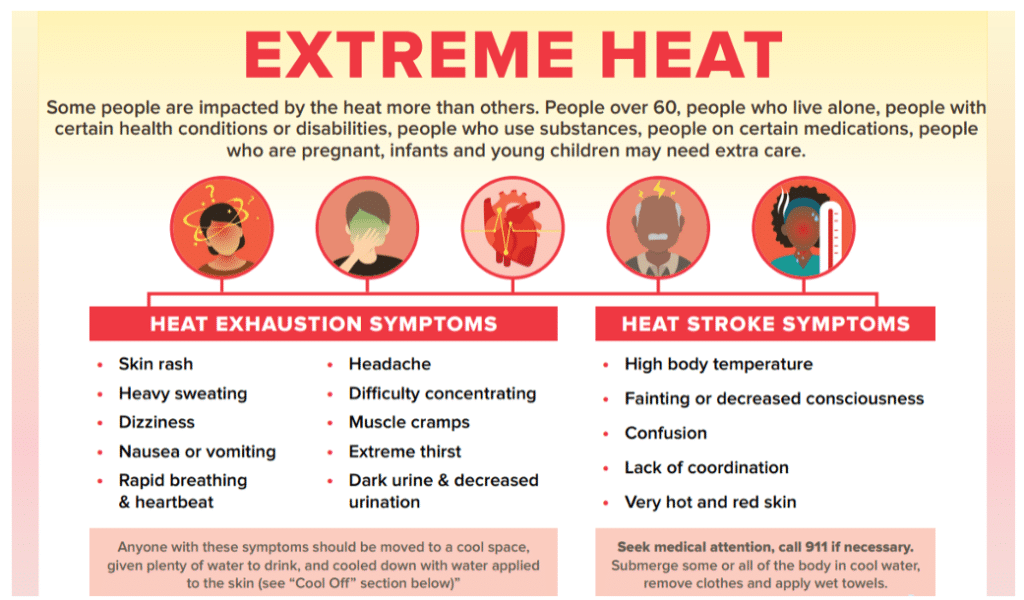
During periods of poor air quality, keep windows and exterior doors closed while the purifier is operating. However, be mindful that indoor temperatures don’t become dangerously hot. If your home becomes too warm, seek out a cooler public building with air conditioning if available.
Replace Filters as Recommended
HEPA filters become less effective as they collect particles over time.
Follow the manufacturer’s maintenance schedule and replace filters when recommended.
Run the Unit Continuously During Smoke Events
Air purifiers work best when operating consistently. Running them throughout the day helps maintain cleaner indoor air.
What If You Don’t Have an Air Purifier?
Not every household can immediately purchase a portable HEPA air cleaner.
Fortunately, there are alternatives.
The Vancouver Coastal Health guidance suggests:
Building a DIY air cleaner if a HEPA purifier isn’t available.
Spending time in large public buildings with air conditioning, which are more likely to have filtered indoor air.
Monitoring local air quality reports to plan outdoor activities when conditions improve.
These options can still help reduce smoke exposure during periods of poor air quality.
Additional Ways to Protect Your Family
While an air purifier is one of the most effective tools, combining it with other protective measures provides even greater benefits.
Consider these additional strategies:
Monitor local air quality regularly before spending time outdoors.
Limit strenuous outdoor activities during smoke advisories.
Keep windows and doors closed when smoke levels are high.
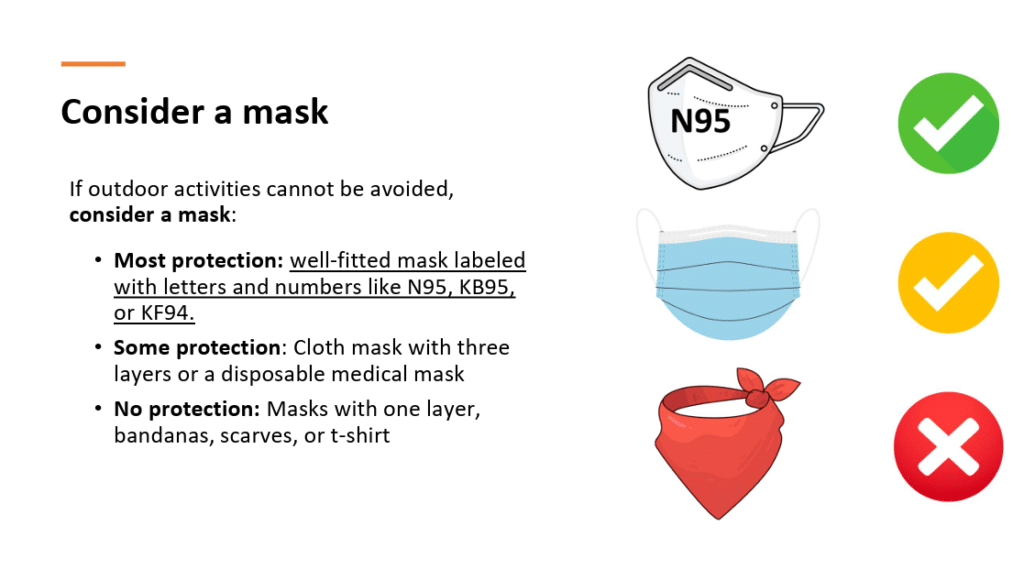
Wear a well-fitted N95, KN95, or KF94 mask if outdoor activities cannot be avoided.
Together, these actions can significantly reduce your family’s exposure to harmful smoke particles.
Investing in Health
A portable HEPA air purifier is more than just another household appliance—it’s an investment in your family’s health and well-being. As wildfire smoke becomes an increasingly common reality in British Columbia, taking proactive steps to improve indoor air quality can help reduce respiratory symptoms, protect vulnerable family members, and create a safer home environment.
While no single solution can eliminate smoke exposure entirely, evidence shows that using a portable HEPA air purifier is one of the most effective ways to reduce harmful particles indoors. Combined with staying informed about local air quality, keeping your home sealed during smoke events, and following public health guidance, an air purifier can play a vital role in helping your family breathe easier throughout wildfire season.
Whether you’re preparing for your first smoky summer or looking to strengthen your home’s air quality plan, now is the perfect time to consider adding a portable HEPA air purifier to your household. Cleaner air isn’t just about comfort—it’s about protecting the health of those you love most.
Let's talk on co-parenting, the worry usually starts small. Your son shrugs at the tablet and says he will talk to his dad another time. A call gets missed, then another. Nobody has done anything wrong, and yet the relationship feels thinner than it did six months ago. Distance rarely changes how much a parent…