

My Child Is Bright—So Why Is Reading Still Such a
5 min read
With the right foundational tools taught by instruction that meets the learner’s needs, many children’s literacy skills can improve significantly.

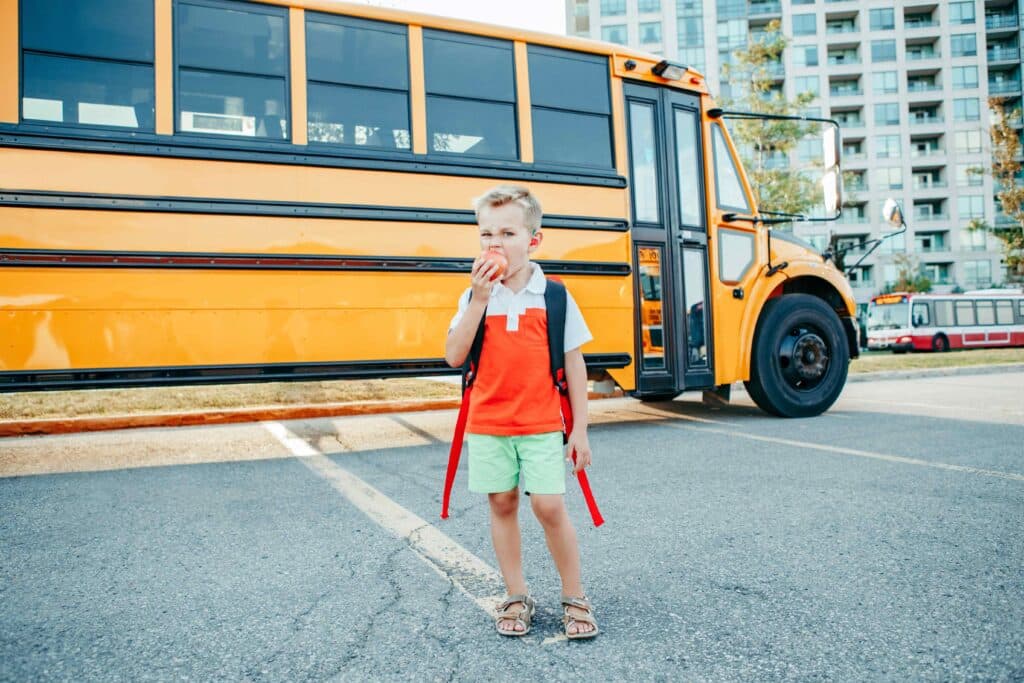
Like many parents, I am all too familiar with the back-to-school question that rolls
around every September: what do I put in my child’s lunchbox? Something my kid will
eat. Something that survives the bus ride and the bottom of a backpack. Something
safe and healthy.
But working in Canada’s food system has made me think about something else too:
everything that had to happen before that food even reached my kitchen counter.
As Executive Director of the Canadian Centre for Food Integrity, I spend my time looking
at what Canadians know, and don’t know, about the system behind their food. I work
with leaders across Canada’s food system to better understand public expectations and
strengthen confidence in the complex and interconnected system that brings food to our
tables.
Most of us don’t have much reason to think about that system day-to-day. But a school
lunch is a surprisingly good reminder of just how much happens behind the
scenes. This back-to-school season, here are five things worth knowing next
time you’re packing a lunch.
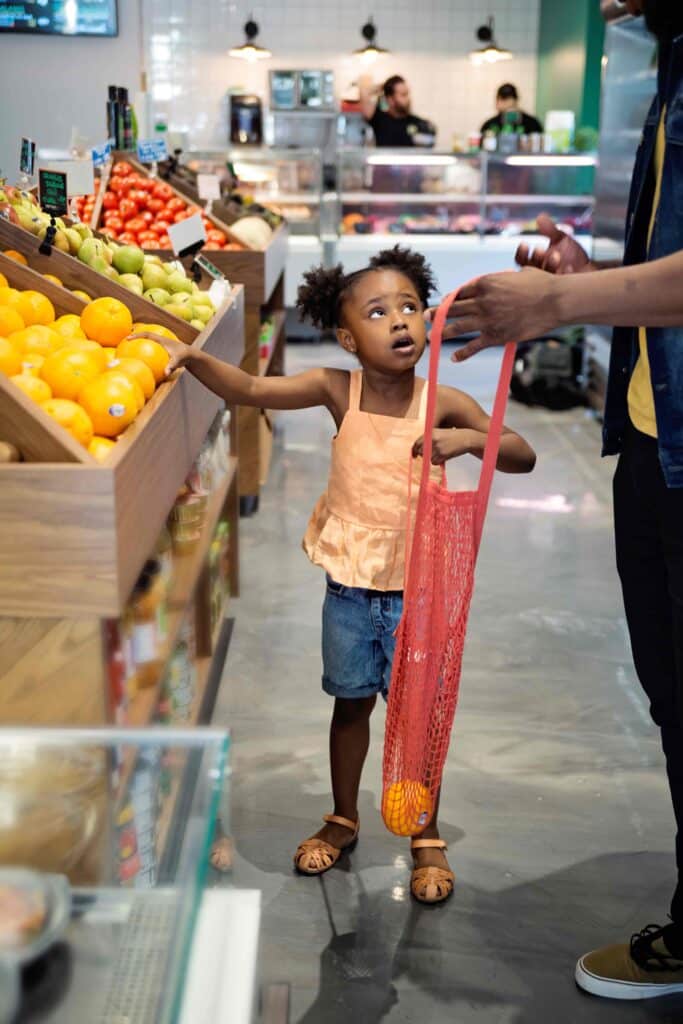
By the time that carton of milk or granola bar lands in a lunchbox, it has already passed
through a long list of checks, standards and inspections most of us never see. Food
safety isn’t one single stamp of approval. In fact, it’s built into the system at nearly
every step, on farms, in processing plants, during transportation and on store shelves,
running quietly in the background so those items are simply ready when we need
them.
Roughly one in nine jobs in Canada is tied to food, with more than 2.3 million people
working from field to front counter, a lot of hands between the farm and my child’s
backpack. Ask most people who’s behind their food and they’ll say farmers.
The broader list includes truck drivers, processors, packers, retail workers, engineers,
food scientists and inspectors.
Somewhere between a farm and a fridge, food must survive long distances
and changing conditions. In a country as big as Canada, keeping fruit crisp and meats
cold takes a coordinated network of transportation, storage and
handling working together, mostly out of sight. This is part of the reason an apple still
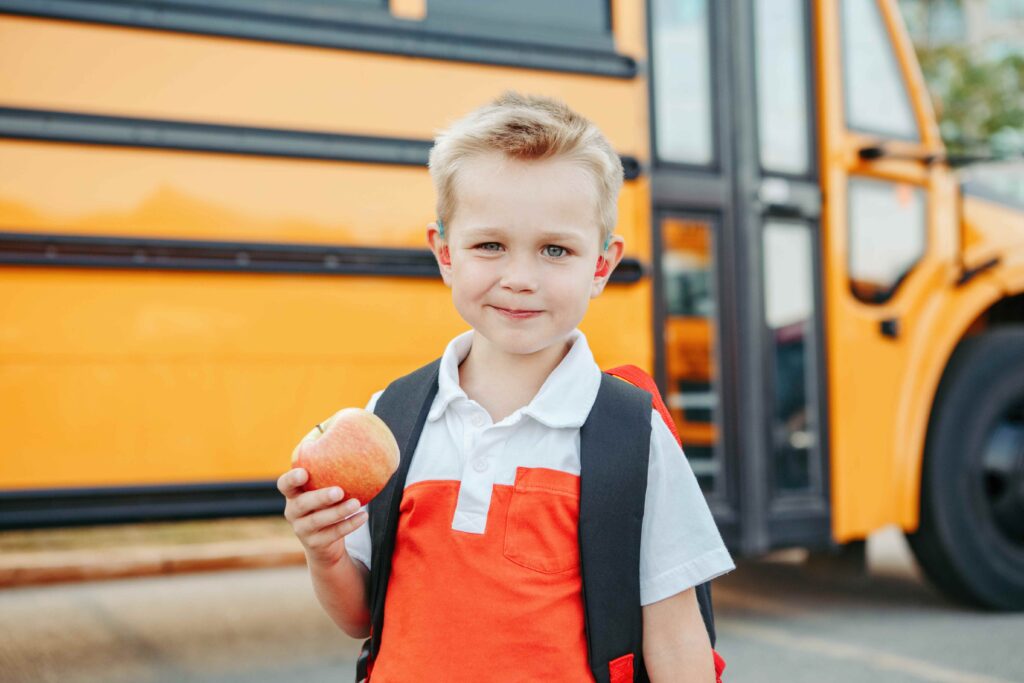
holds up after a day in a backpack.
Packing a lunchbox comes with plenty of small teaching moments, including a chance
to talk to your kids about how food is labelled. “Product of Canada” means the food
and almost all its ingredients are Canadian, whereas “Made in Canada” means
the final step happened here, but some of its ingredients may come from elsewhere.
Both are legitimate. Neither tells the whole story on its own, and most of us have never
had a reason to learn the difference.
I didn’t grow up thinking very much about any of this either. What changed for me
was being a working parent, and through my work, being exposed to more of the food
system. I started asking more questions about the food I was feeding my family and
learning about the interconnectedness of our food system, from how strawberries arrive
in winter to why food stays fresh on long trips across Canada.
There are fascinating stories behind everyday foods that most people don’t stop to think about.
You don’t need to become an expert on Canada’s food system. But the next
time you’re packing a lunch, it might be worth a moment to think about everyone who
had a hand in getting that food to your kitchen table. Behind the most ordinary lunchbox
is a much bigger story.
Lisa Bishop-Spencer is the executive director of the Canadian Centre for Food Integrity.
Learn more at canadasfoodsystem.ca.
 Rothewood Academy South Delta offers a holistic approach to early education.
 I Spy 5 Family Friendly Wild Salmon Viewing Spots In BC
 A Celebration of Young Musicians: 2026 Vancouver International Music Festival-Competition Gala Concert
 When September Asks More of the Whole Family – Returning Back to School 2026
 Co-Parenting Across an Ocean: How to Build a Strong Family Bond When One Parent Lives Overseas in 2026
With the right foundational tools taught by instruction that meets the learner’s needs, many children’s literacy skills can improve significantly.
Activities that involve pushing, pulling, or carrying provide proprioceptive input, which has a calming effect on the nervous system...

What is VO2 max? VO2 max is a measurement of the maximum amount of oxygen your body can utilize during intense exercise.