A school backpack is more than just a bag. For most kids, it holds everything they need to get through the day: books, lunch, extra clothes, homework, and personal stuff. When backpacks get packed wrong or too heavy, kids feel worn out before the day even ends.
Here’s a simple guide for parents who want to keep backpacks useful, organized, and comfortable.
Start With the Basics
Every school backpack should have only what’s actually needed:
Homework folder or binder
One or two notebooks
Pencil case
Lunch box or snack container
Water bottle
Weather stuff (hat, gloves, or rain cover depending on the season)
A lot of backpacks get heavy because kids carry things “just in case.” Extra toys, old papers, or supplies they don’t use add weight for no reason.
Keep it simple and light.
Do a Weekly Backpack Reset
One of the easiest ways to cut down backpack weight is doing a weekly clean-out.
Once a week:
Empty the whole backpack
Toss old papers
Take out broken pencils or dried-up markers
Repack only what’s needed for the next week
This takes maybe five minutes but it really helps.
You’d be surprised what ends up in there: half-eaten snacks, forgotten library books, random toys.
Teach Kids How a Backpack Should Fit
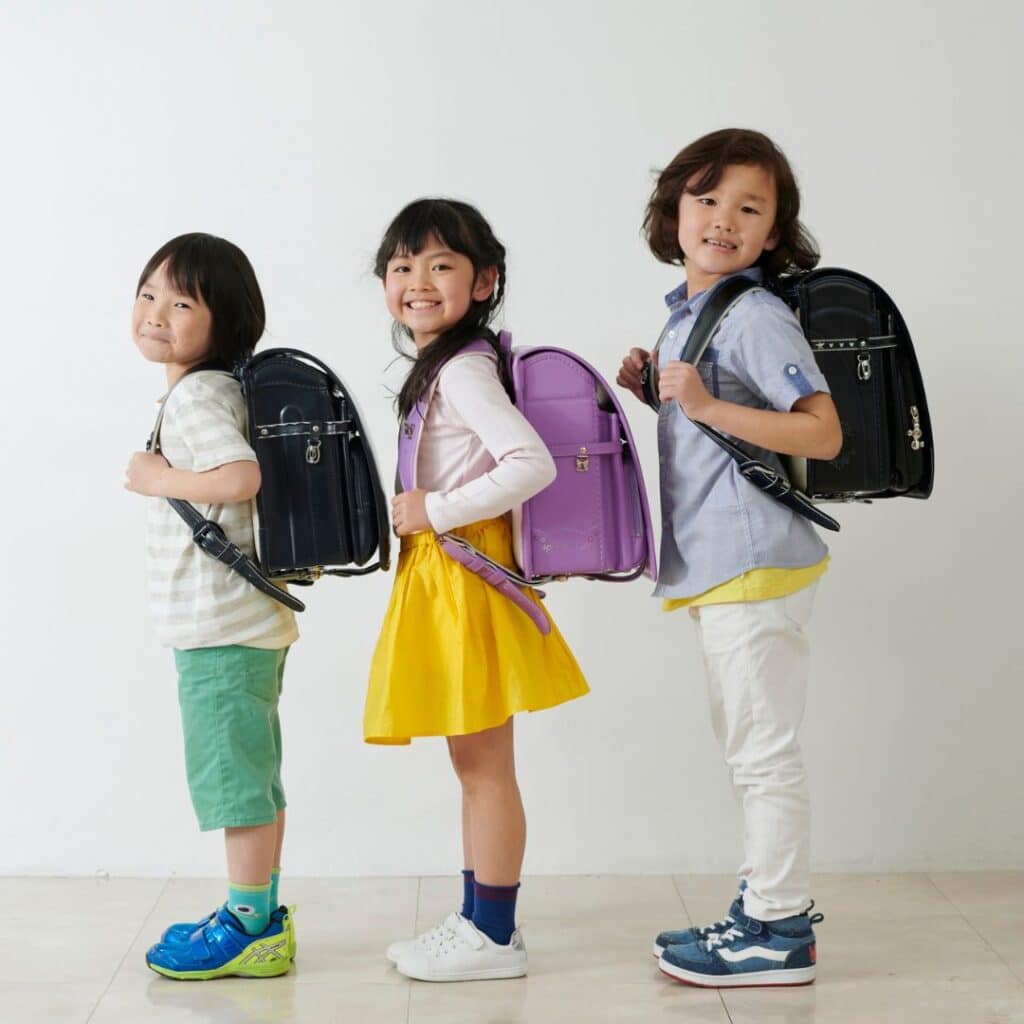
Lots of kids wear backpacks too low with loose straps. That puts pressure on their shoulders and pulls them backward.
A good fit means:
Backpack sits high on the back
Bottom doesn’t hang below the hips
Shoulder straps are snug but not tight
Weight stays close to the body
Kids should use both straps, not just one.
Learning this early helps protect their backs while they’re still growing.
Organize Items by Weight
Heavy stuff should always go closest to the back panel.
Lighter things go toward the front or in outer pockets.
This keeps the weight balanced so the backpack doesn’t pull to one side.
In Canada, kids often need extra winter clothing, so how things are packed matters even more during cold months.
Plan for Weather Changes
School days can start sunny and end rainy or snowy.
It helps to pack:
Extra socks in winter
Light rain cover or a plastic bag
Small reusable tote for wet clothes
Without some kind of system, wet items mix with books and notebooks. Simple separation keeps everything cleaner.
Avoid Common Backpack Mistakes
Here are some mistakes a lot of families make:
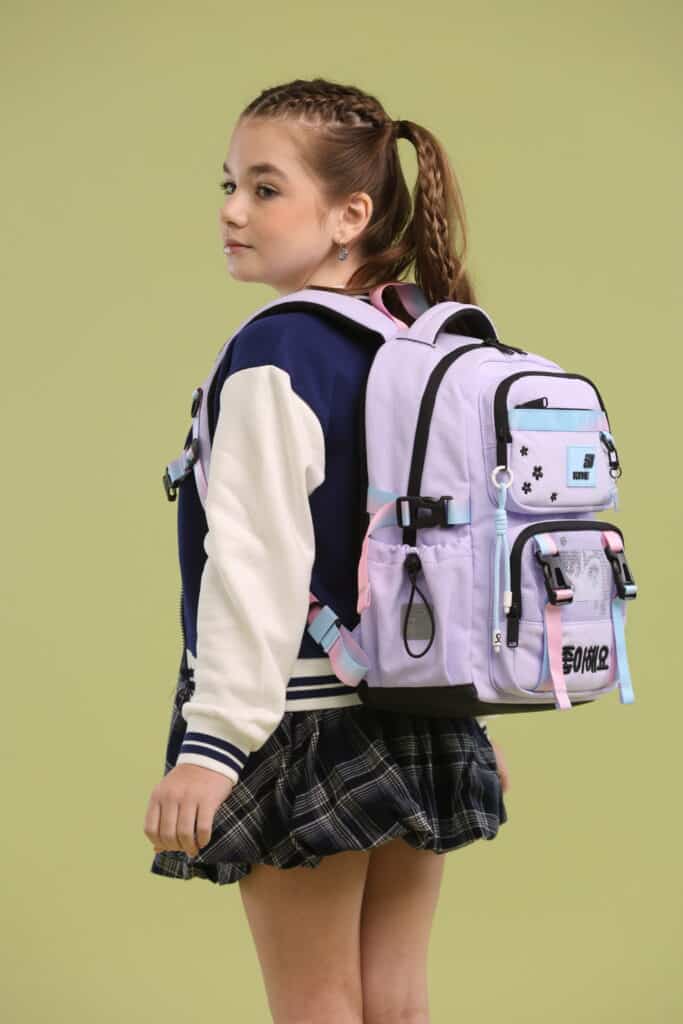
Buying backpacks only because they look cool
Letting backpacks turn into storage bags
Not adjusting straps properly
Letting kids carry stuff they don’t actually need every day
A backpack should support learning, not add physical stress.
Learn What to Look for in a Backpack
Not all backpacks are built the same.
Parents usually look for:
Firm back panels
Wide padded shoulder straps
Multiple compartments
Durable zippers
Materials that are easy to clean
Some Canadian parents also look at resources like MyKite.ca to better understand ergonomic backpack features and basic packing tips for school-age kids.
Even small design details can make a difference during long school days.
Help Kids Take Responsibility
Kids can help manage their own backpacks.
Simple habits like:
Checking homework folders daily
Packing lunches the night before
Putting backpacks near the door
Doing quick morning checks
This builds independence and cuts down on last-minute stress.
Keep Mornings Simple
Backpacks work better when mornings aren’t chaotic.
Families who prep the night before usually have smoother starts:
Clothes laid out
Lunch packed
Backpack ready by the door
Less rushing means fewer forgotten items.
Final Thought
Backpacks are part of everyday school life.
They go through hallways, playgrounds, buses, and snowy sidewalks. They carry books, responsibilities, and sometimes a kid’s favorite stuffed animal.
Keeping them light, organized, and comfortable helps kids focus on learning instead of aching shoulders.
Small routines, done regularly, make school days easier for everyone.
Author bio
Andrii is based in Toronto and shares practical school-day tips for families. He is also involved with MyKite.ca, a Canadian project focused on ergonomic school backpacks.
From infancy and toddlerhood to pre-kindergarten, these formative years bring extraordinary growth as our children discover who they are. But this is just the beginning of their development. Today, we are taking a close look at Rothewood Academy's holistic approach to early education and what this could mean for your child. From learning to communicate…