Food is one of the biggest connectors in life—whether it’s sharing a meal with friends, cooking with family, or exploring Canada’s rich culinary diversity. But for the growing number of Canadians living with food allergies, that simple act of eating can feel complicated, stressful, and sometimes dangerous. With food allergies on the rise, especially among children, awareness and education have become more important than ever.
This article breaks down what food allergies really are, why they matter, and how Canadians can navigate them safely, confidently, and compassionately.
What Are Food Allergies?
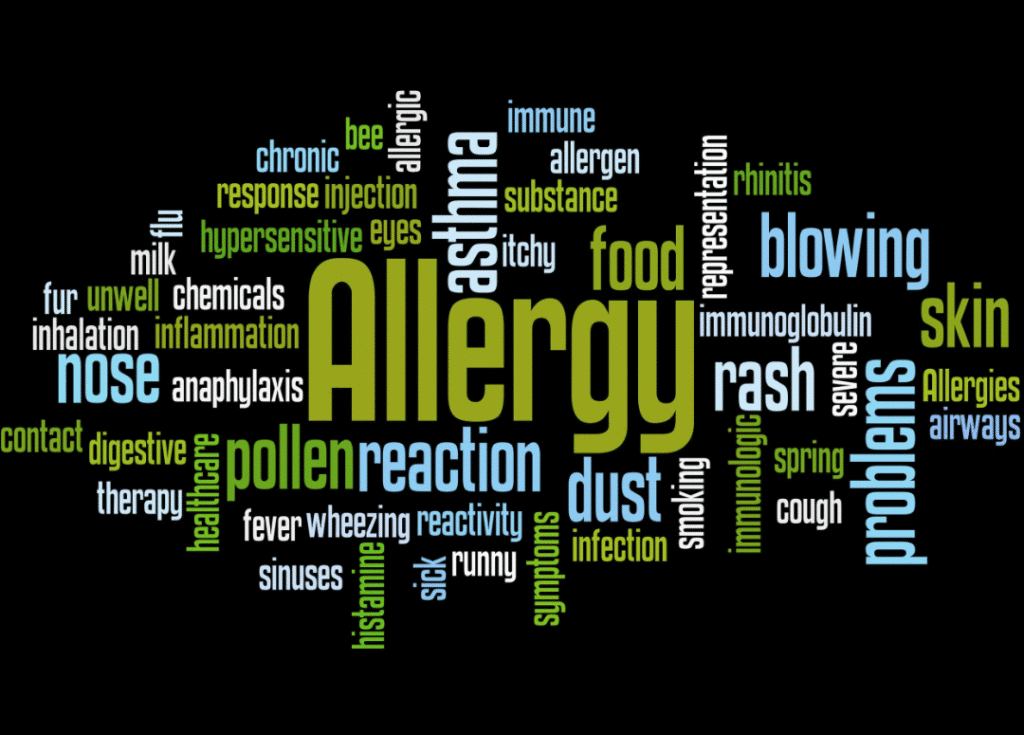
A food allergy is an immune system reaction that occurs after eating a specific food. Even tiny amounts can trigger symptoms ranging from mild itching to life-threatening anaphylaxis. Unlike food intolerances, which usually affect digestion, allergies involve the immune system and require strict avoidance of the trigger food.
In Canada, more than 3 million people live with food allergies, and children represent a significant portion of that number. According to Food Allergy Canada, the most common allergens include:
Peanuts
Tree nuts
Milk
Eggs
Wheat
Soy
Sesame
Fish and shellfish
Mustard (added to Canada’s priority list in 2016)
While anyone can develop an allergy at any age, children are most affected, and many outgrow certain allergies—like milk and eggs—over time.
Why Allergies Are Increasing in Canada
There isn’t one clear answer, but research suggests a mix of factors:
1. Environmental changes
Canada’s northern climate means long winters and fewer opportunities for early-life exposure to natural microbes, which may influence immune system development.
2. Dietary patterns
The modern diet contains more processed foods and fewer natural ingredients, potentially affecting immune responses.
3. Delayed allergen exposure
Historically, parents were told to delay introducing allergens. Today, research shows early introduction—especially for peanuts—may actually reduce risk.
4. Genetics
If one or both parents have allergies, asthma, or eczema, children are at higher risk.
Regardless of the cause, one thing is clear: allergies are now a major public health issue in Canada.
Spotting the Signs: Common Allergy Symptoms
Food allergy symptoms can appear within minutes or hours after eating. They may include:
Hives or redness
Swelling of lips, face, or throat
Stomach pain or vomiting
Wheezing or difficulty breathing
Dizziness or fainting
The most severe reaction—anaphylaxis—is life-threatening and requires immediate use of epinephrine (EpiPen) and a call to 911.
Canada has strong systems in place, including mandatory epinephrine availability in many public spaces and widespread allergy education, but quick action is still critical.
Living With Food Allergies in Canada
1. Navigating Canadian food labels
Canada has strict food labeling laws. All packaged foods must clearly identify priority allergens, even when they are present in flavourings or “hidden” ingredients.
Look for:
“Contains:” statements
“May contain:” precautionary warnings
Allergen bolding on ingredient lists
Canadian food manufacturers generally follow clear, consumer-friendly guidelines, making shopping more manageable than in many other countries.
2. Eating out safely
Canada’s diverse food scene—from sushi in Vancouver to poutine in Quebec—offers countless dining options, but eating out with allergies requires caution. Tips include:
Call ahead to restaurants
Ask about cross-contamination policies
Avoid buffets
Carry an EpiPen at all times
Many Canadian restaurants are allergy-aware, especially in cities like Toronto, Calgary, and Montreal, but the level of training varies.
3. School and childcare policies
Canadian schools are known for strong allergy protocols. Nut-free classrooms, trained staff, and emergency action plans are standard in many provinces.
Parents should:
Provide an allergy plan
Supply labelled snacks
Educate children about safe food habits
Make sure caregivers know how to administer epinephrine
Raising Allergy-Aware Communities
Food allergies affect more than the person diagnosed—they shape how families shop, cook, socialize, and travel. That’s why building allergy-aware communities matters.
Here’s what everyone can do:
✔ Be inclusive
If hosting an event, ask about allergies ahead of time. Offer safe alternatives and avoid common triggers like peanuts when unsure.
✔ Don’t dismiss or minimize allergies
Allergies are real medical conditions, not preferences or picky eating.
✔ Learn how to use an EpiPen
Basic training takes less than five minutes and could save a life.
✔ Advocate for safer spaces
Support allergy-friendly options in schools, camps, workplaces, and community events.
The Path Forward
Food allergies can feel overwhelming, especially for parents, newcomers navigating Canadian food systems, or individuals managing multiple allergies. But with the right information, supportive communities, and clear labeling laws, living safely and confidently in Canada is entirely possible.
Canada continues to lead globally in allergy education and consumer protection, but awareness starts with everyday actions—from reading labels more carefully to supporting someone through their allergy journey.
Food is meant to bring people together. With understanding and compassion, we can create a country where everyone, allergies or not, feels welcome at the table.
Like many parents, I am all too familiar with the back-to-school question that rollsaround every September: what do I put in my child’s lunchbox? Something my kid willeat. Something that survives the bus ride and the bottom of a backpack. Somethingsafe and healthy. But working in Canada’s food system has made me think about something…