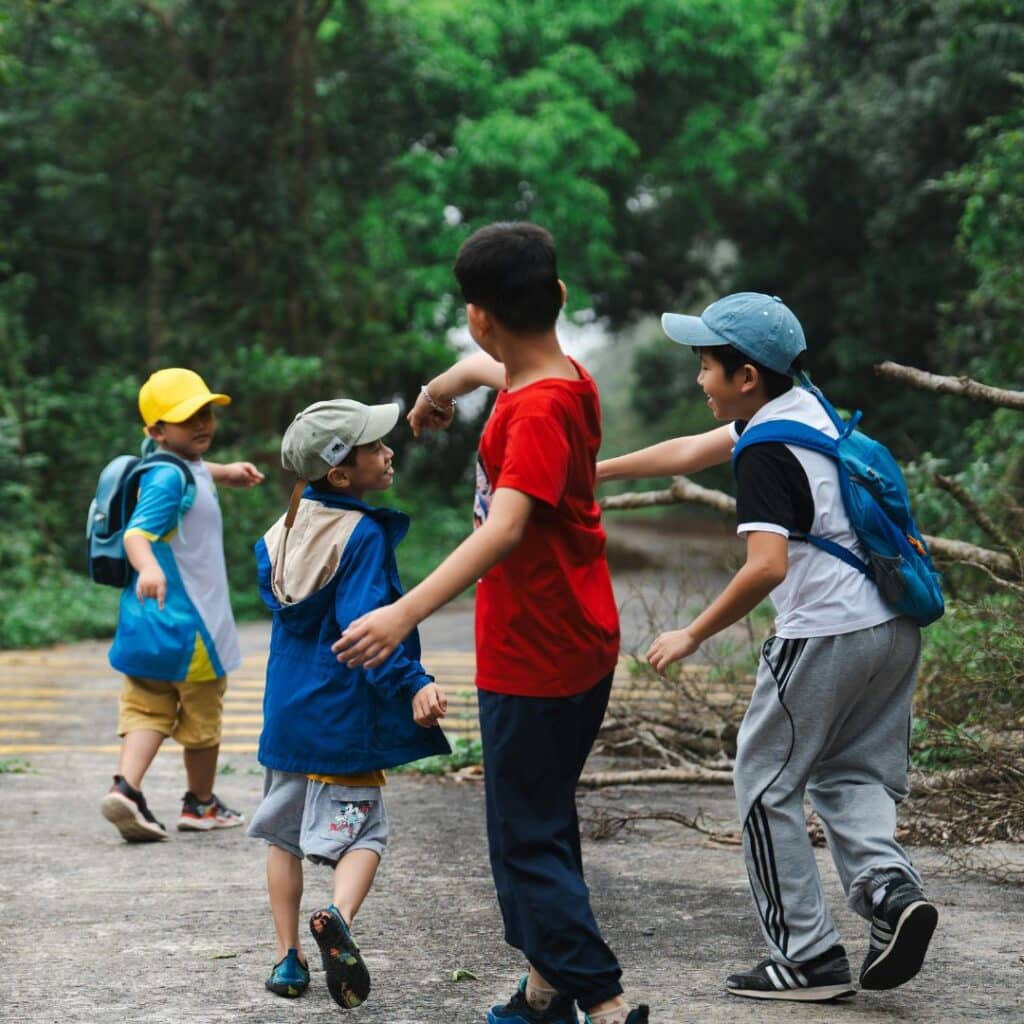
Somewhere along the way, many of us lost touch with that beautiful connection from field to table. But our kids? They are still so open, intuitive even, to the magic of nature. As a mom, I’ve seen firsthand how kids light up when they discover how food grows, see bees dance from flower to flower, and discover tiny seeds sprout and bloom. Helpingkids connect with nature, through hands-on activities and simple awareness, not only teaches them about nature’s cycles but also plants the seeds of respect for our environment. Together, we can nurture that understanding—one wildflower, one pollinator hunt, and one tiny bee at a time.
What Are Pollinators?
Pollinators are animals that help plants grow by moving pollen from one flower to another. This allows the plants to produce fruits, vegetables, and seeds. Bees are the most well-known pollinators, but butterflies, birds, bats, and even some insects like beetles and ants also play a role.
Fun fact for kids to connect with nature: About 1 in every 3 bites of food you eat is thanks to pollinators!
Why Are Pollinators Important?
Pollinators help 75% of the world’s flowering plants and about 35% of the world’s food crops. Without them, many of our favorite foods, like apples, berries, and almonds, would be much harder to grow. They also support healthy ecosystems by helping flowers grow, which provide food and habitats for other wildlife. Fun nature tip: Next time you’re on an outdoor family activity or just outside, see if you can spot a bee with orange or yellow sacs on its legs—that’s bee pollen they are collecting. Help your kids connect with nature. Ask them to look for pollinators in action, buzzing around flowers or plants in your backyard.
What’s Happening to Pollinators?
Pollinator populations are shrinking due to pesticides, habitat loss, and climate change. Bees, in particular, are struggling. Neonicotinoid pesticides and the loss of wildflower meadows are making it harder for them to survive.
Outdoor Family Activity: Helping Kids Connect with Nature
Think of bees as tiny superheroes—when they disappear, our gardens and food supply start to struggle.
Pollinator month is June, and Pollinator Week is June 16th-22nd. Consider doing one of these pollinator activities this month or sharing with your child’s teachers or principal so they can weave these initiatives into the curriculum.
Simple activities to help kids connect with nature and support Bees (and other pollinators)
Go on a Pollinator Hunt
Explore your backyard or local park and look for pollinators in action. Bring a notebook and draw what you find. Get them excited and help your kids connect with nature.
Plant Native Wildflowers and create a pollinator garden
Choose pollinator-friendly flowers like echinacea, black-eyed Susans, and milkweed. Even a small pot on a balcony helps. David Suzuki has great tips on how to create a butterfly garden.
Set Up a Pollinator Water Station
Use a shallow dish, add pebbles or corks for landing spots, and fill it with water.
Skip the Chemicals
Avoid using pesticides and chemicals in your garden. Choose natural methods instead and explain to your children why.
Support Local Beekeepers
Buying honey from local beekeepers supports sustainable bee populations and responsible honey production.
Remember, whether it’s planting a wildflower, skipping the spray, or pointing out a bee mid-flight, every small act helps reconnect our children to the natural world, and empowers them to protect it. Raising curious, caring kids starts with the everyday wonders in our own backyards. Let’s give them the tools (and the dirt under their nails) to grow up rooted in nature.
About the author Written by Angela Ysseldyk, nutritionist and co-owner of Dutchman’s Gold – www.dutchmansgold.com
About Dutchman’s Gold – A Canadian Bee Keeper
With over four decades of experience perfecting the craft of delivering unpasteurized, award-winning natural honey to your table, you could say that we’ve come a long way. From humble beginnings in 1981, the Van Alten family launched Dutchman’s Gold locally, selling bottled honey off the front porch of the family home and in local farmers’ markets.
A family road trip is magic, the highway, the flyover small towns no one ever goes to otherwise; kids pointing out cows in Africa back at the Africans like they show them cows every crazy weekend. However, people who have spent four hours travelling with a non-napping toddler and a five-year-old asking for the seventeenth…
Most adults look back on their childhood summers with a certain degree of nostalgia, but as someone who grew up in the ‘90s, I can’t help but think that there was something truly special about those years. Parents, usually mothers, were background figures, accessible in emergencies but otherwise seen only during mealtimes—and sometimes not even…
Join our Newsletter to learn about what's happening with BC Parents!