

A Celebration of Young Musicians: 2026 Vancouver International Music Festival-Competition
4 min read
2026 Vancouver International Music Festival

From Victoria to the Fraser Valley and all the way to the Interior, 5 wild salmon viewing spots in BC await your next family-friendly fall adventure.
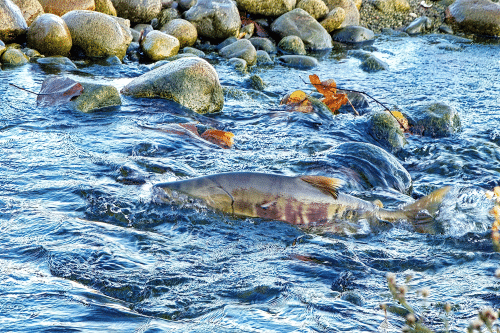
Every fall, millions of Pacific salmon across British Columbia fight their way upstream to return to the rivers and creeks where they first hatched. It’s one of the greatest wildlife migrations on Earth, and one of the most accessible for B.C. families. In fact, it’s often no more than a short walk from the car, with no gear or guide required.
Salmon also attract other wildlife hoping to get in on the action, including bald eagles, bears, and seals — all of which can be observed from a safe distance. The fish carcasses contain nutrients from the ocean that help fertilize B.C.’s lush rainforests.
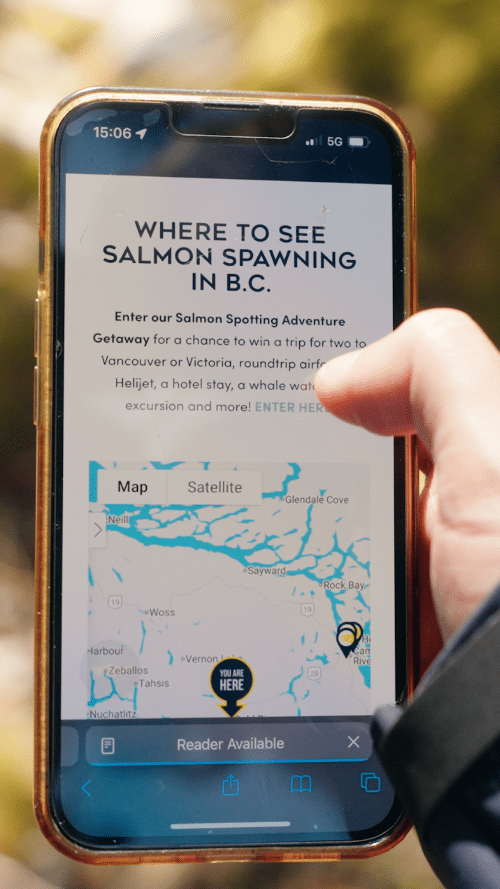
The Pacific Salmon Foundation’s interactive Salmon Spotting map lists more than 100 safe, easy-to-reach viewing sites across the province. Here are five standout salmon spots to plan your adventure.
Just 25 minutes from downtown Victoria on Highway 1, Goldstream Park is one of the best salmon spotting locations on Vancouver Island. Chinook, then chum and coho return to spawn in the Goldstream River beneath a canopy of bigleaf maples.
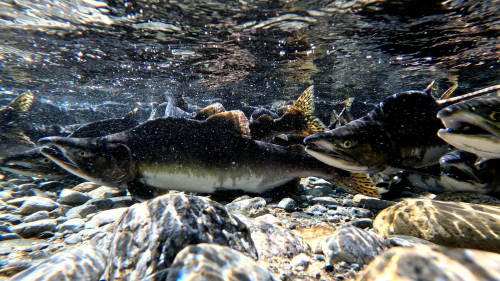
Chum salmon are plentiful here. They are known for the purple streaks and charming hooked jaws that the male fish develop to attract mates during the spawning season.
The best times to see salmon are from late October through November. Start at the Goldstream Park Nature House, where local streamkeepers are on hand to answer big salmon questions from your little ones. Trails range from wheelchair-accessible to more rugged terrain, so there’s an option for every family.
The counting fence at 240th Street is the highlight here, where chum and coho are held and tallied for conservation purposes from mid-fall onward. Time your visit for the annual Return of the Salmon event on Sunday, October 18, which kicks off at 11 am.
Open to all ages, this community day is organized by local stewards at the Kanaka Education & Environmental Partnership Society. You can expect viewing stations, fun fish dissections, booths from local conservation groups, and lots more family fun.
Afterward, wander over to the Bell-Irving Hatchery and the park’s network of trails for a gentle hike.
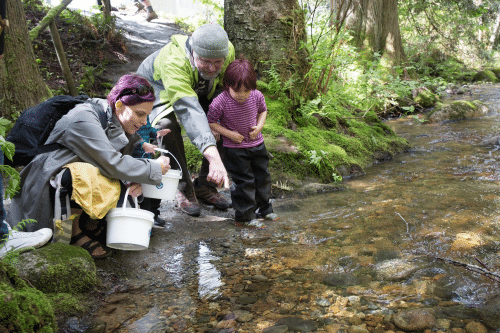
Campbell River is known as the salmon capital of the world, and the Quinsam River area is a big reason why. Start your adventure by visiting the Quinsam River Hatchery, five kilometres west of downtown, where an excellent interpretive centre helps kids learn all about Pacific salmon’s epic journey. It’s open daily from 8 AM to 3:30 PM. The river itself also offers some of the best salmon spotting opportunities on the Island.
This year, pink salmon can be seen leaping up the fish ladder in September. This special event won’t repeat until 2028 because this species has a rigid life cycle that separates populations into odd-year and even-year groups.
Chinook and coho will return later in the fall through November, followed by steelhead.
Explore this accessible, family-friendly site, with several kilometres of flat, gravel trails that make it easy to spot salmon. Follow the main trailhead toward the river, where you can enjoy educational signage, then continue to where the Mamquam meets the Squamish River for the best viewing opportunities. Watch overhead too: bald eagles gather here in great numbers, hoping to catch their own share of the salmon!
Chum return here starting in October, followed by coho in November. Pink salmon can also be seen only in odd years, between August and September – better luck next year!
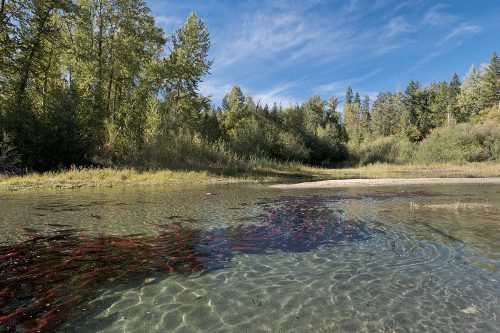
Witnessing the sockeye salmon migration at the Adams River is one of Canada’s greatest natural events. Plan this special adventure for your next trip through the Interior, or hit the road for a day trip from Kamloops or Kelowna.
The Adams River is home to one of the largest sockeye returns in North America, and 2026 is a dominant year in these fish’s unique four-year cycle. That means more than a million bright red sockeye are expected in just a two-week window in October.
Visit Tsútswecw Provincial Park, and plan to join the Salute to the Sockeye Festival, running October 9–25, organized by the Adams River Salmon Society.
Other salmon species also return to the Adams, although they are harder to spot. Chinook salmon are back from September to mid-October, and coho return from late October through December.
What To Look For
During their migration, adult salmon undergo a stunning physical transformation to signal strength and fitness to potential mates. They take on bold reddish and green colours, while some males develop hooked jaws, teeth, and humped backs.
If you find a good spot, you can expect to see salmon working their way upstream, resting in eddies, or chasing each other. Others will be in pairs, digging or defending their gravel nests, which are known as “redds.”
The female fish chooses the spawning site and digs the redd for her eggs, while the male stands guard nearby and fends off rivals. Once the nest is ready, the female deposits her eggs, called “roe,” and the male swims in to fertilize them. The female then moves upstream and sweeps gravel back to cover the eggs. She will often stand guard over them until she grows too weak to hold her position in the stream.
Pacific salmon die after spawning, their epic journey complete. Their carcasses feed wildlife and fertilize watersheds across B.C. with nutrients from the sea.
Safety First
Watching wild salmon is a family-friendly activity that kids of all ages can enjoy. However, respect for the fish and the ecosystems they rely on is essential.
Once you arrive, approach stream banks slowly and quietly, avoid sudden movements, and never throw sticks or rocks into the channel. Keep an eye out for bears or other wildlife and always maintain a safe distance.
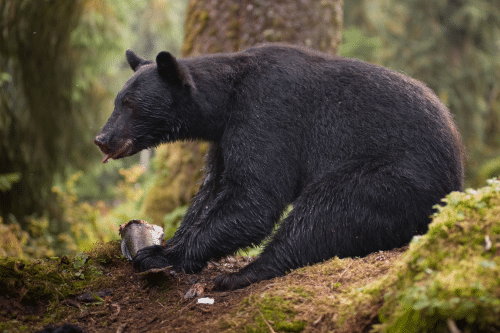
Stepping into the riverbed can crush eggs hidden just beneath the surface. To minimize harm to the fish, keep pets leashed and out of the water. Stream banks can also be slick or unstable, especially during heavy fall rains, so watch your footing.
Our Best Tips
Pack rubber boots, sunglasses, binoculars, bear spray, snacks, and comfortable clothing with muted colours. Salmon can spot us too and get spooked, especially if we’re wearing bright red, orange, or pink!
Plan to hit the trails after periods of heavy rain, which raise water levels and help push salmon along their migration journey. This makes it more likely for you to spot them.
Overcast mornings or late afternoons often make for the best viewing, as the low glare on the water makes it easier to see beneath the surface.
The Perfect Fall Activity for B.C. Families
Spotting salmon is easy and fun once you know where to go – and when! No matter which salmon creek you choose, your family is in for a beautiful, outdoorsy adventure.
Don’t forget to check out the Pacific Salmon Foundation’s Salmon Spotting page to line up your visit with the best viewing times for salmon near you.
Featured photo credit: Brandon Deepwell
 Rothewood Academy South Delta offers a holistic approach to early education.
 A Celebration of Young Musicians: 2026 Vancouver International Music Festival-Competition Gala Concert
 When September Asks More of the Whole Family – Returning Back to School 2026
 Co-Parenting Across an Ocean: How to Build a Strong Family Bond When One Parent Lives Overseas in 2026
 5 Powerful Reasons Your Child’s Lunchbox Matters More Than You Think
2026 Vancouver International Music Festival
Looking for family fun this summer? Discover 50 must-try activities across Vancouver, Burnaby, the North Shore, Surrey, Richmond, Langley, the Tri-Cities, and the Fraser Valley. Perfect for families with kids of all ages.

Spend less time planning and more time making memories with these easy family outings. With summer around the corner and the kids about to be home from school, many families are looking for ways to make the most of the season. The good news is that you don't need to book a flight or spend…