
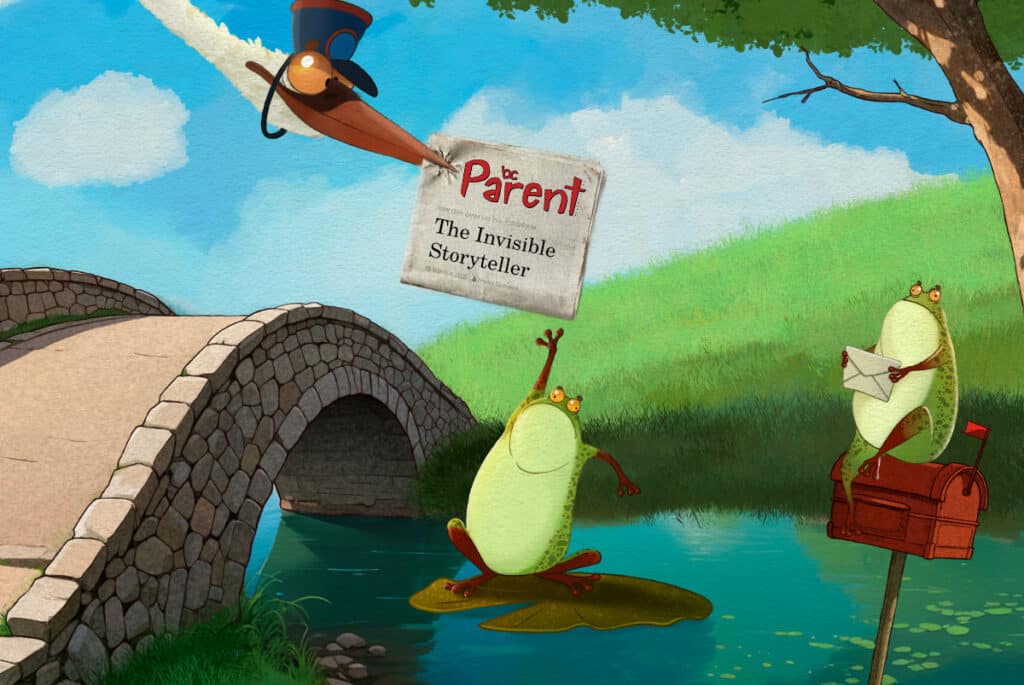


What Do BC Kidlit Writers Read to their kids?
8 min read
Kidlit is evolving, with graphic novels booming and reaching a wider age range than ever before.
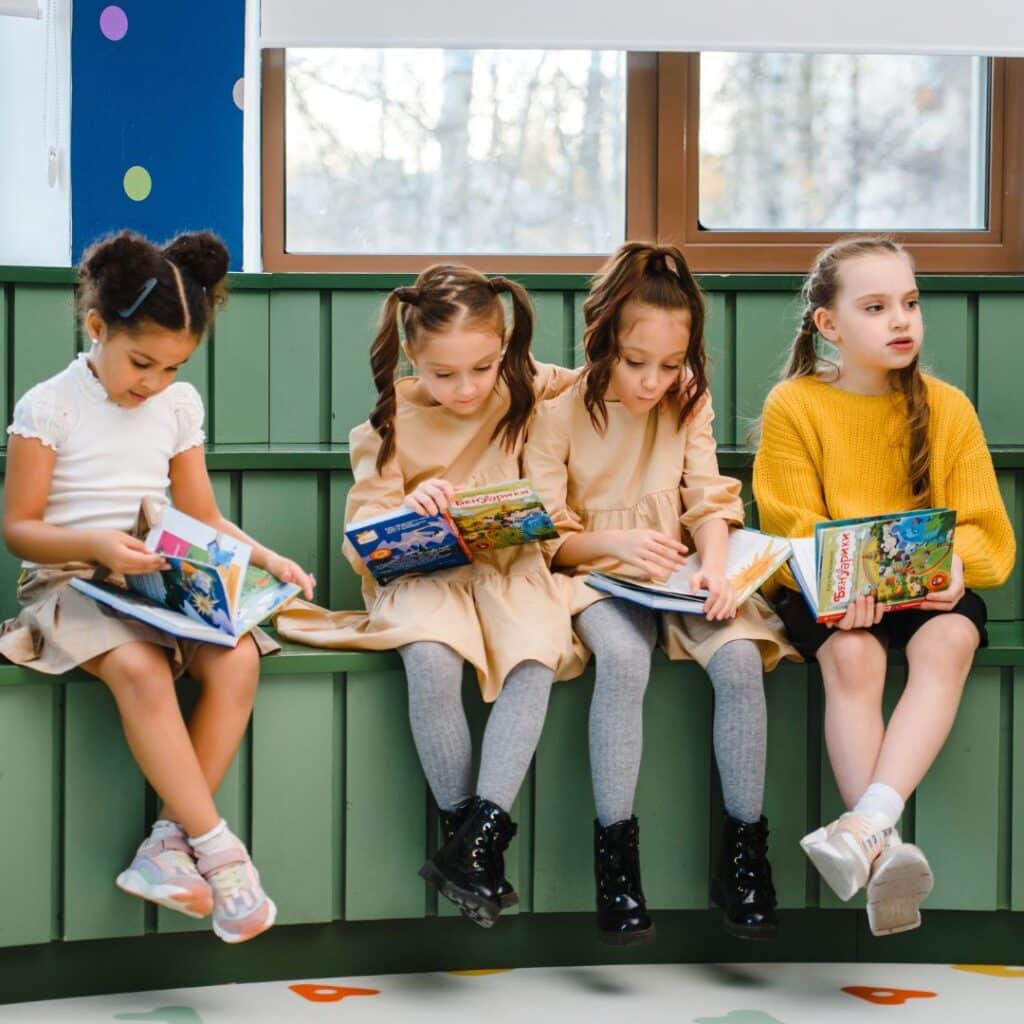
How to help overstimulated kids wind down without a battle
It is 6pm on a Tuesday in BC. Hockey practice ended forty minutes ago, homework is on the table, and someone is crying about something that happened at lunch. You are trying to get dinner on the table. Nobody is winding down. Everyone is somehow more wound up than they were at 3pm.
If this sounds familiar, you are not alone and you are not doing anything wrong. This is what the end of an overstimulated day looks like for a lot of Canadian families, and the bedtime that follows is often the hardest part. The good news is that small, consistent strategies can shift the whole evening. Not by adding more to your plate, but by working with how a child’s brain actually settles.
Children spend most of their day managing themselves. They sit still, follow instructions, navigate friendships, and hold their feelings in because the environment requires it. By the time they get home, that effort has used up most of their regulatory capacity. What looks like a meltdown at 7pm is usually a release. The child is finally somewhere safe enough to let it all out. That is not a behaviour problem. That is trust. The challenge is helping them release without the whole household going down with them.
The nervous system needs a physical signal that the busy part of the day is over. You cannot talk a child into calm, the body has to arrive there first.
Try these tonight
None of these steps require a script or a perfect routine. They simply need to happen in roughly the same order each evening. Predictability is its own form of calm.
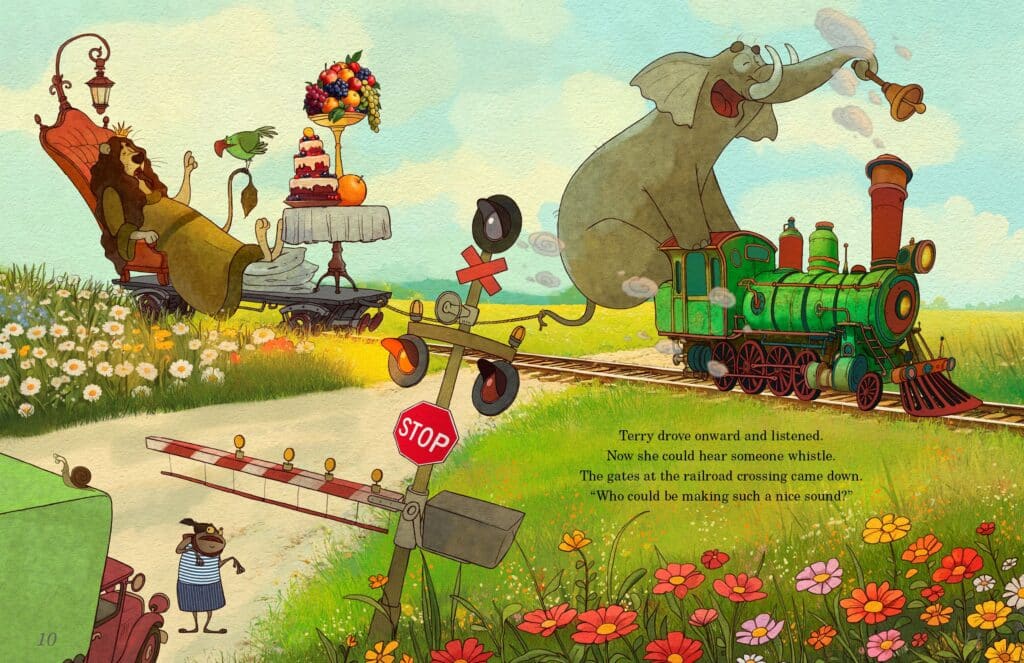
Reading together at bedtime is not just a cosy tradition. It is one of the most effective ways to move a child from a dysregulated state toward readiness for sleep, because a good story does the emotional work without anyone having to name what is happening.
When a child follows a character through something difficult, they rehearse the emotional experience at a safe distance. They get to feel the fear, or the confusion, or the relief, without it being their own. That is deeply settling for a young brain.
For example, when reading a story where a character hears something unexpected in the night and discovers a mysterious passenger in an unlikely place, the child gets to safely explore the feeling of the unknown. Rather than reacting with panic, they watch the character lean into curiosity.
The rhythm of the language, the soft sounds, the slow unfolding of the mystery, these elements are not decorative. They are doing the work of helping a child move through a feeling rather than around it. By the final page, the listening child has done something quietly remarkable. They have stayed with a big feeling long enough to understand it.
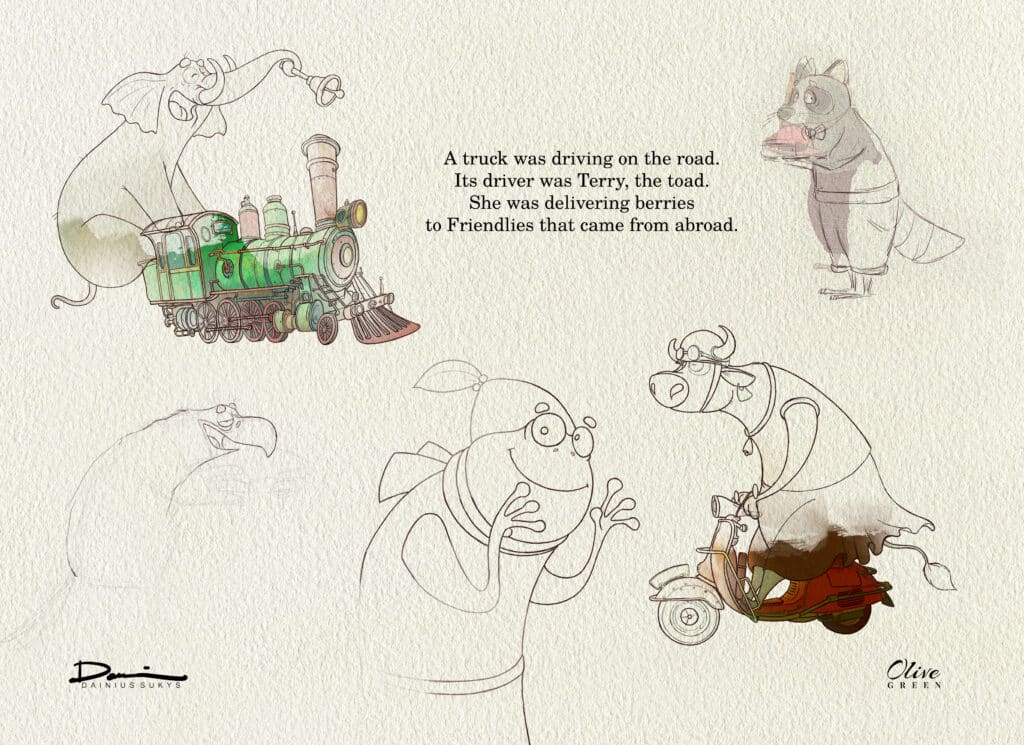
After the book is closed, try one low-pressure question. Not ‘how was your day’, which can feel enormous at 8pm. Something smaller and story-adjacent tends to work better. Something like, ‘I wonder how that character felt when things got scary. Did anything feel a little big for you today? gives a child a narrative door to walk through if they want to. Many will. Some will not, and that is fine too. A few things to keep in mind
Bedtime does not have to be a battle. It does not have to be perfect, either. What children mostly need at the end of a big day is warmth, a predictable wind-down, and a sense that the people they love are not also overwhelmed by everything they are feeling.
Small shifts, done consistently, make a real difference. Start with one tonight and see what happens.
Olive Green is an independent Canadian children’s author specialising in social-emotional stories for young readers. Her newest picture book, A Strange Sound, is a current number one New Release on Amazon.ca. Olive is the creator of the Friendly’s Universe, a whimsical world focused on kindness and belonging. You can download her free 7-page SEL Activity Pack at olivegreenbooks.com.
Official Website. https://olivegreenbooks.com/fun/fun-learning/
Instagram. https://www.instagram.com/olivegreen_books
 Helping Our Children Learn, Grow and Find Their Way. Find Great Tips in Education Issue 2026
 Rothewood Academy South Delta offers a holistic approach to early education.
 I Spy 5 Family Friendly Wild Salmon Viewing Spots In BC
 A Celebration of Young Musicians: 2026 Vancouver International Music Festival-Competition Gala Concert
 When September Asks More of the Whole Family – Returning Back to School 2026
Kidlit is evolving, with graphic novels booming and reaching a wider age range than ever before.
Mother’s Day often arrives wrapped in soft light — flowers, handwritten notes, warm hugs, and carefully curated social media tributes. It’s a day that paints motherhood in glowing colors: selfless love, gentle nurturing, unwavering strength. And while all of that is true, it is only part of the story. There is another side to motherhood…

Many think the local mountains can only be enjoyed during the Winter. Little do they know the local mountains come alive with outdoor activities for families during the warmer months. Offering a wide range of activities from fun adventures to educational experiences there is something for everyone to enjoy. Enjoy a staycation and take a…
