


The Unstoppable “Reset” Mindset
8 min read
Reset is for anyone who knows the strain of balancing life on the tightrope of being everything to everyone.

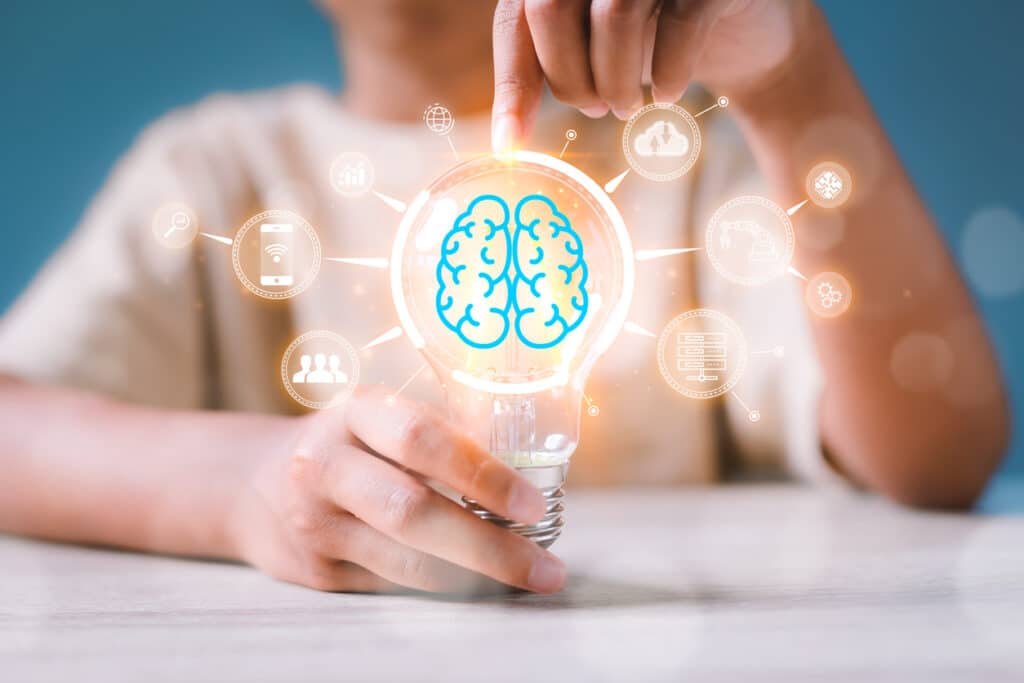
Every year in March, Brain Injury Awareness Month is observed to bring much-needed attention to an often misunderstood and invisible public health issue—brain injury. This month serves as a vital reminder of the millions of people worldwide who live with the effects of traumatic or acquired brain injuries, as well as the loved ones and caregivers who support them daily.
Brain injuries can happen to anyone, at any time, and in a variety of ways. Their effects are often lifelong, but because they are not always visible, many people fail to grasp their seriousness. Brain Injury Awareness Month challenges this lack of understanding and aims to raise awareness, promote prevention, and ensure survivors receive the support they need.
Brain injuries are typically divided into two categories:

While TBIs are more widely recognized, ABIs can be just as debilitating. Regardless of the type or severity, a brain injury can disrupt nearly every area of a person’s life. It may affect memory, attention span, speech, motor skills, behavior, emotions, and the ability to carry out everyday tasks. Survivors often report living with headaches, dizziness, fatigue, depression, and anxiety long after the initial injury.
One of the most difficult aspects of a brain injury is that it’s often invisible. People may look “normal” but be struggling internally with challenges that are difficult to articulate or explain. This invisibility can lead to misunderstanding, judgment, or even denial from employers, peers, and sometimes even close friends and family.
This year’s recurring theme, “More Than My Brain Injury,” serves as a powerful reminder that survivors are not defined by their diagnosis. They are students, parents, professionals, athletes, and community members with stories, aspirations, and identities beyond their medical condition.
According to the World Health Organization, brain injuries are among the leading causes of disability and death worldwide. In the United States alone, it is estimated that over 2.8 million people sustain a TBI each year, and many more go unreported or misdiagnosed. Children, older adults, athletes, and individuals in high-risk occupations are particularly vulnerable.
The economic and emotional burden is also significant. Brain injuries can lead to long-term healthcare needs, job loss, family strain, and mental health challenges, not only for the individual but also for their caregivers and loved ones.

While not all brain injuries are avoidable, many can be prevented by following simple safety practices:
Preventive action is especially critical among youth and aging populations, who are at greater risk of falls and injuries.
Living with a brain injury requires more than physical healing. Recovery can be long and complex, requiring physical therapy, occupational therapy, speech-language services, and psychological support. It’s often not a linear process—some survivors experience progress, plateaus, or setbacks along the way.
Caregivers—usually family members—play a crucial but often overlooked role. They may help with everything from transportation and medication to emotional support and financial management. These caregivers need acknowledgment, training, and resources to cope with the demands placed upon them.
Support groups, counseling services, rehabilitation programs, and advocacy organizations can all make a difference in ensuring that survivors and their families do not feel alone in their journey.

Awareness is the first step toward creating meaningful change. During Brain Injury Awareness Month—and throughout the year—you can contribute in several ways:
Brain Injury Awareness Month is not just about statistics or slogans—it’s about people. It’s about recognizing the strength, resilience, and potential of those who live with a brain injury every day. It’s about pushing for a more informed, compassionate, and accessible world. And it’s about ensuring no one faces the journey of recovery alone.
By shedding light on this invisible injury, we can break the silence, shatter the stigma, and build a community where healing is possible—and dignity is never lost.

 The Unstoppable “Reset” Mindset
 Seamless Childcare in BC Schools Is Gaining Momentum
 2026 New Year’s Resolutions and the Personal Impact They Have on Individuals
 5 Mind-Blowing Ways to Help Your Neurodivergent Child Through BC’s Dark, Rainy January
 Curious On How To Gain More Life in 2026? VO2 Max is Your Answer
Reset is for anyone who knows the strain of balancing life on the tightrope of being everything to everyone.
Activities that involve pushing, pulling, or carrying provide proprioceptive input, which has a calming effect on the nervous system...

What is VO2 max? VO2 max is a measurement of the maximum amount of oxygen your body can utilize during intense exercise.