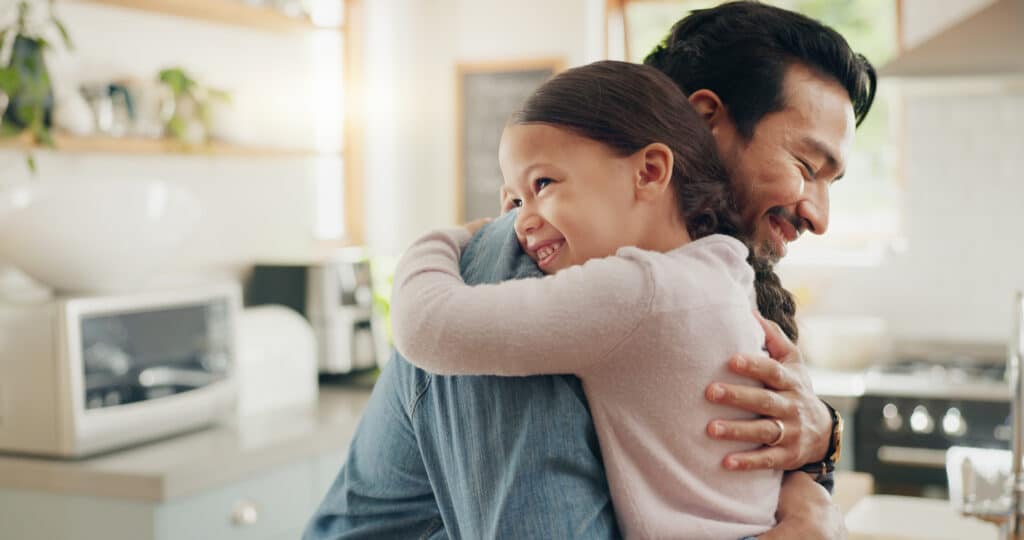
Being a parent is often described as the hardest job in the world. For many, it’s also the most rewarding. But for those of us raising children while carrying the weight of intergenerational trauma, the experience is far more layered, emotional, and complex. As an Indigenous parent, I can say with certainty that parenting is not a straight path—it’s a winding journey through healing, growth, mistakes, forgiveness, and above all, love.
Photo by: cira
The Reality Behind the Parenting Ideal
The images we often see of parenting—peaceful, glowing mothers cradling sleeping babies in soft lighting—are a far cry from the truth. Real parenting is chaotic. It’s messy. It tests every ounce of your patience. And when you’re doing it on a foundation that was never built for nurturing—one built instead on silence, pain, and survival—the job becomes even more like climbing a mountain with no climbing gear.
Growing Up with Intergenerational Trauma
I was raised by my strict Catholic grandmother, a residential school survivor, in a home where emotions were stifled, not shared. Love was not spoken, nor shown. Discipline was routine. So when it came time for me to raise my own children, I had no roadmap—only the memories of what not to do.
And like many who come from trauma, I overcorrected. I let my children make choices I wasn’t allowed to make. I softened the edges too much, thinking that giving them freedom would shield them from pain. But love isn’t just about softness—it’s about guidance. Structure. Boundaries. And above all, presence which, I can honestly say that my previous four children did not get the best me.
Parenting Without a Roadmap
As I worked on my healing, I slowly began to understand this. My youngest daughter, out of my five children, has received the best me—the one that can finally be in the moment—the one working actively on healing, the one who doesn’t cry herself to sleep anymore.
She got the “best me,” and with that came a deep, humbling wave of guilt for what I couldn’t give my older children. But the beauty of parenthood, even when it’s steeped in grief, is that it comes with the opportunity to apologize. To grow. To model that healing is not only possible, but also ongoing.
A Moment That Changed Everything
One moment that stands out in my parenting journey happened when my youngest came home from grade one, her eyes red with tears. She asked, in a voice trembling with fear, “Am I going to residential school?”
Her fear cut through me. I had spent so much of her early years ensuring she felt safe, and yet here she was, terrified that she would be taken away. Her teacher, in an attempt to educate about residential schools, had failed to mention that they no longer exist. She had not explained that the last one closed in 1996.
That moment—watching my daughter curl up in bed, surrounded by her stuffed animals as if they could protect her—will never leave me. It took me back to a place of mourning I didn’t know still lived inside me. I grieved for my daughter, but I also grieved for the thousands of Indigenous children who were taken, who cried in fear on their last night home, and who never returned.
That night, I cried not just as a mother—but as a daughter of survivors, and as someone who continues to carry the echoes of those cries in my bones.
Photo by: cira
Inherited Trauma and the Weight Our Children Carry
When I shared this story with other Indigenous mothers, I found I wasn’t alone. Many of our children have asked similar questions. That speaks to how trauma, even when not directly experienced, can still be inherited. Our children feel its weight. But it also speaks to the importance of how we talk about history—with honesty, yes, but also with care and context.
From Pain to Purpose: The Birth of “Miya Wears Orange”
That moment with my daughter eventually grew into something bigger. It became the seed of a story. A book, “Miya Wears Orange”. A tool for education and connection. A way to teach about our history—not just the pain, but the resilience too.
A Message to Parents on the Healing Path
To every parent, grandparent, caregiver—especially those parenting while healing—I see you. You are doing something courageous. You are raising children who will carry both the scars and the songs of your journey. And it’s okay to not have it all figured out. It’s okay to stumble. What matters is that we keep showing up—with love, with stories, with truth.
Honoring the Power of Storytelling and Survival
Let’s teach our children not just what happened, but how we survive it. Let’s give them the power of story, the gift of empathy, and the reminder that our past does not define us and story shows us how to move forward.
And if you’re holding guilt for the parent you once were, know this: it’s never too late to love better, to heal openly, and to show your children that we grow, even after the hardest storms.
We are doing the work.
And that, dear friends, is everything.
About the Author:
Wanda John-Kehewin is a Cree writer who came to Vancouver, BC from the prairies on a Greyhound when she was nineteen and pregnant—carrying a bag of chips, thirty dollars, and a bit of hope. Wanda has been writing about the near decimation of Indigenous culture, language, and tradition as a means to process history and trauma that allows her to stand in her truth and to share that truth openly.
Wanda has published poetry, children’s books, graphic novels, and a middle-grade reader with hopes of reaching others who are trying to make sense of the world around them. With many years of traveling (well mostly stumbling) the healing path, she brings personal experience of healing to share with others. Wanda is a mother of five children, two dogs, two cats, three tiger barb fish, and a hamster.
From infancy and toddlerhood to pre-kindergarten, these formative years bring extraordinary growth as our children discover who they are. But this is just the beginning of their development. Today, we are taking a close look at Rothewood Academy's holistic approach to early education and what this could mean for your child. From learning to communicate…
Let's talk on co-parenting, the worry usually starts small. Your son shrugs at the tablet and says he will talk to his dad another time. A call gets missed, then another. Nobody has done anything wrong, and yet the relationship feels thinner than it did six months ago. Distance rarely changes how much a parent…