


Seamless Childcare in BC Schools Is Gaining Momentum
3 min read
For seamless childcare to reach families province-wide, school districts need ongoing funding and policy support from the provincial government.
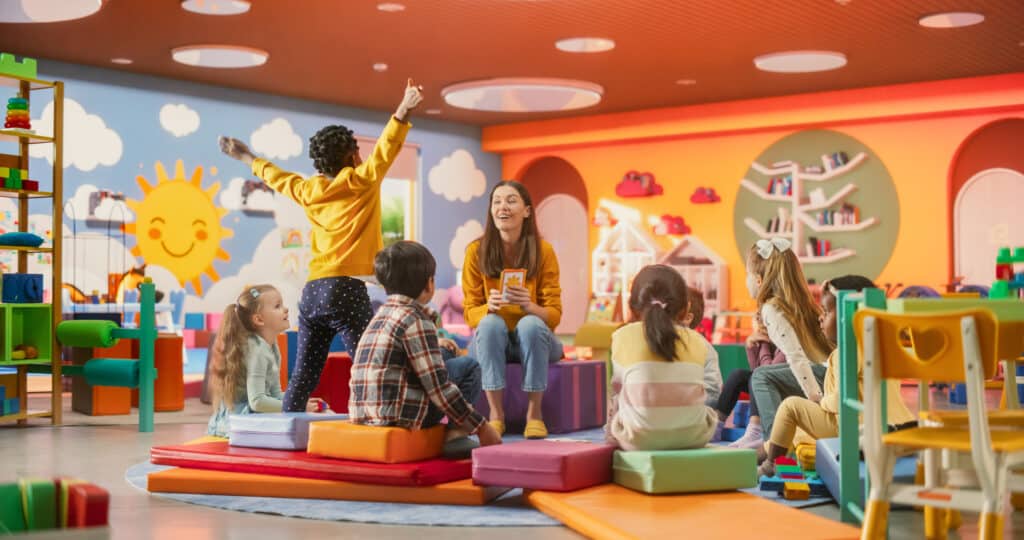

Choosing a preschool is one of the most important decisions parents make in their child’s early years. While it’s easy to think of preschool as simply childcare, the reality is that it’s so much more. Preschool is where children begin developing social and emotional skills, building confidence, and laying the foundation for a lifelong love of learning.
But with so many choices it can be overwhelming to know where to start. Should you go with the closest location? An available space? Or the program your friend swears by?
The truth is: finding the right preschool means looking beyond convenience and availability. It’s about finding the environment where your child will thrive.

Before you start touring schools or filling out applications, take time to think about what’s important to you. Ask yourself:
Understanding your priorities makes the search less overwhelming and helps you evaluate options more clearly.
Not all preschools are the same. Each has a unique approach to early childhood education. Here are the most common types you may encounter:
Play-Based Preschools
Academic Preschools
Montessori Preschools
“An authentic Montessori preschool is the right fit for every child. Each Montessori follows a carefully planned holistic curriculum and emphasizes active, self-paced, individualized learning based on children’s interests. Specially trained teachers observe and facilitate the use of the multi-sensory Montessori materials to develop concentration and capacity for learning. Through this engaged process of discovery, children become more confident, independent, self-regulated and self-disciplined.”
Tiffany Goulding – Head of School North Star Montessori
Reggio Emilia Preschools

Outdoor Learning/Forest Preschools
Multi-Disciplinary Preschools
“All children are unique, with different family backgrounds, diverse cultures, and coming from a wide range of parenting styles. Providing a first classroom that meets children where they are in their learning journey is key to building their confidence. Having a blended philosophy gives the teachers a bigger toolbox from which to help each child reach their greatest potential.” Miss Jennifer, Director of My Whole Earth Academy
Co-operative Preschools aka PPP
Language Immersion Preschools
Knowing these options will help you choose a program that fits your child’s personality and your family’s values.
Once you’ve narrowed down your list, schedule visits or tours. Being in the space gives you an immediate sense of whether the preschool feels warm, organized, and inviting.
While visiting, notice:
Trust your gut—first impressions are often telling.
During a tour, don’t be afraid to ask lots of questions. Good ones include:
A great preschool isn’t just about curriculum—it’s about relationships. Young children thrive with consistent caregivers and clear routines. Ask about staff turnover rates and how teachers build connections with children.
Equally important is how the preschool communicates with parents. Do they send daily updates, weekly newsletters, or use apps? Feeling informed builds trust and strengthens the parent-school partnership.
While philosophy and environment matter most, practical considerations also play a role:
Balancing these logistics with your child’s needs is key.
Once you’ve chosen a preschool, ask about how they help children adjust. Many programs offer gradual entry, where children start with shorter days before moving into the full schedule. Talk to your child about what to expect and keep drop-offs consistent. Some tears at the beginning are normal, but with support, most children settle quickly.
Choosing the right preschool is about finding a place where your child will feel safe, supported, and inspired to learn. Preschool is more than daycare. It’s the first step into the world of education, friendships, and independence.
Take your time, ask questions, and trust your instincts. When you find the right fit, you’ll know and your child will thrive.
When touring preschools, parents often focus on daily schedules and tuition—but these overlooked questions can reveal a lot about how the program really works:
8 Locations in Surrey,1 more coming to Surrey
goodwinacademy.ca

Goodwin strive to provide safe dependable childcare when you need it. Let them care for your child. They provide parents with peace of mind through their many safety features, extended hours, educational components, arts programs, open layouts, and caring staff.
Kerrisdale, Vancouver
mywholeearth.ca

They go beyond traditional preschool! They blend Montessori, Reggio, Waldorf, and the BC ELF to create personalized learning plans for every child. Their unique curriculum teaches life skills through developmentally appropriate, project-based learning. And you’ll enjoy their flexible scheduling, parent-teacher consultations, and deep family partnerships. Book a visit to learn more!
North Vancouver, 604/980-1205
northstarmontessori.ca

North Star offers Montessori programs for Infants & Toddlers, Preschool & Elementary aged children. Committed to meeting the developmental needs of each child, we foster a love of learning, independence, and respect. Practical experiences build confidence and inspire an intrinsic motivation to ‘learn’ and ‘do’ that students carry with them throughout their lives.
Vancouver, 604/ 263-1686
oakridgemontessori.com
Oakridge Montessori School is a BC Certified, independent school for preschool-aged children to Grade 3 and is dedicated to providing all children with a vibrant, enriching, and distinctive learning journey that instills a lifelong love of learning.
West Vancouver, 604/925-1437

At Gatehouse Montessori, children thrive in a warm, Montessori-inspired environment that fosters independence, curiosity, and confidence. Our caring educators support each child’s academic, social, and emotional growth through engaging activities that foster a lifelong love of learning.
West Vancouver, 604/926-5972
pjkidsclub.com

PJ Kids Club preschool for children 30 months to 5 years old, with French, music, nurturing and inclusive environment with activities that engage children’s natural curiosity and needs, created in collaboration by a team of professional Early Childhood Educators. Contact us at [email protected].
Richmond, Langley, Burnaby, New Westminster, Vancouver, and Pitt Meadows
royaleducation.ca

Royal Academy offers nurturing programs for infants, toddlers, and preschoolers ages 0–5. Inspired by Montessori and Reggio Emilia philosophies, our eco-designed classrooms foster confidence, curiosity, and creativity.
Vancouver, 604/434-9611
westsidemontessoriacademy.ca

The new WMA Early Learning Centre offers year-round, full-day Montessori programs for preschool-aged children, fostering joyful learning, creativity and independence. Located at 668 East 20th Ave, we’re the sister school to Westside Montessori Academy at 5550 Fraser St.
About the Author
Sarah Jensen is a writer on parenting and an early childhood educator with over a decade of experience helping families navigate preschool choices. She blends research with practical advice to support parents in making confident, informed decisions.

 The Unstoppable “Reset” Mindset
 Seamless Childcare in BC Schools Is Gaining Momentum
 2026 New Year’s Resolutions and the Personal Impact They Have on Individuals
 5 Mind-Blowing Ways to Help Your Neurodivergent Child Through BC’s Dark, Rainy January
 Curious On How To Gain More Life in 2026? VO2 Max is Your Answer
For seamless childcare to reach families province-wide, school districts need ongoing funding and policy support from the provincial government.
Childcare nutrition programs do much more than provide food—they supports the development of lifelong habits and social-emotional skills.

Claren Academy, a choice a top private school in Vancouver, was founded by parents who felt a real urgency to prepare their own kids, and other Vancouver kids, for their actual future. With the rate of change in jobs, valued skills, and technology, they felt compelled to start right at kindergarten, focusing on “things that…
