


5 Mind-Blowing Ways to Help Your Neurodivergent Child Through BC’s
6 min read
Activities that involve pushing, pulling, or carrying provide proprioceptive input, which has a calming effect on the nervous system...
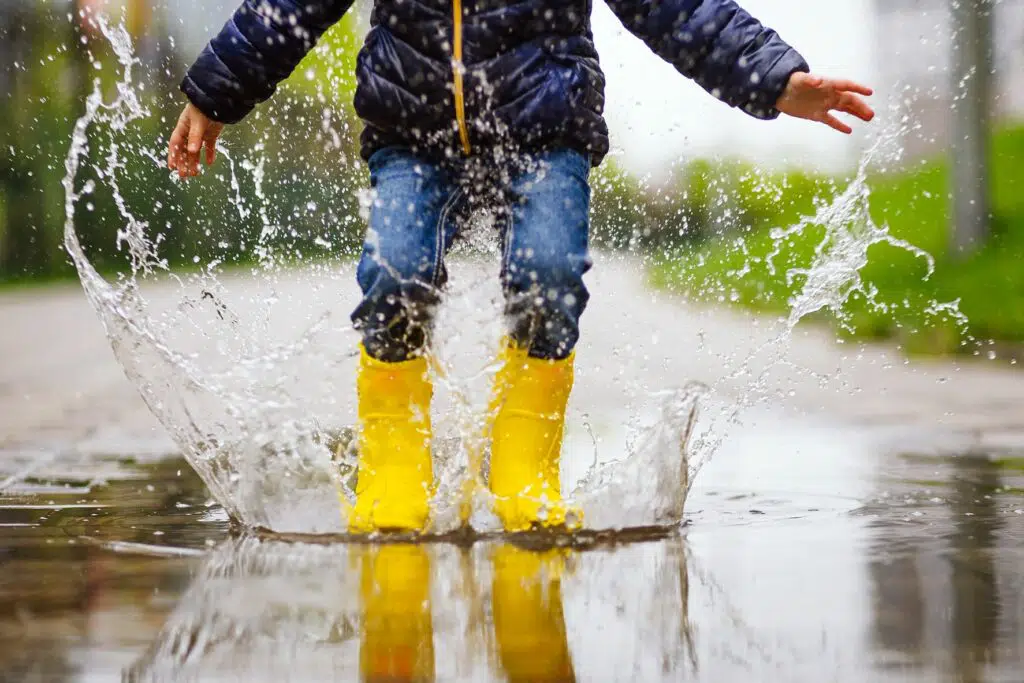
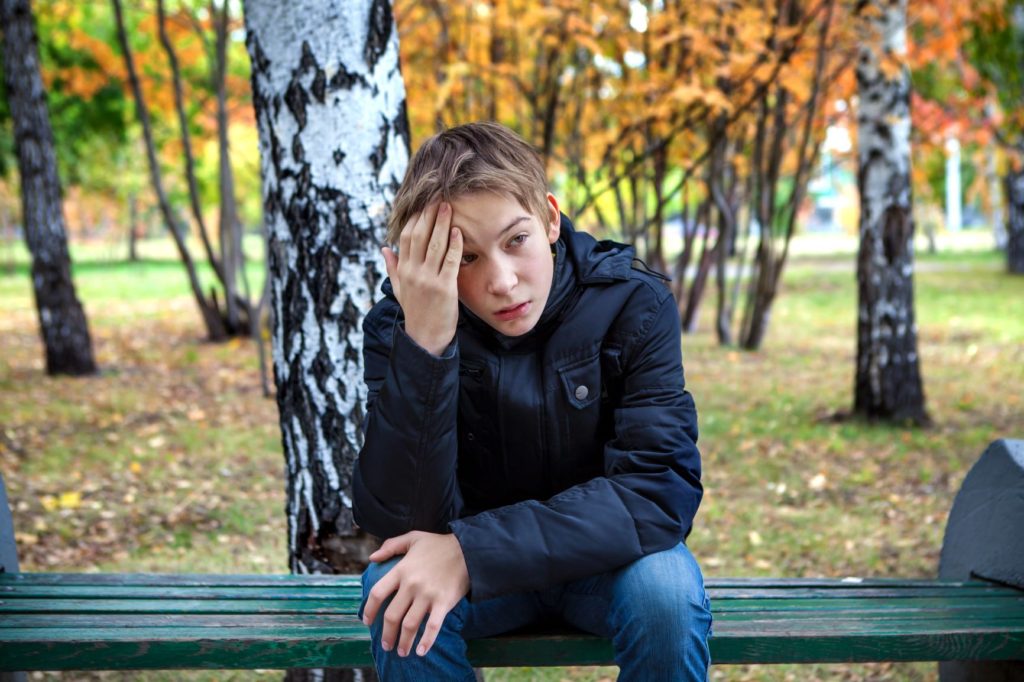
Many kids will experience strong emotions of fear, sadness, worry, and loneliness from time to time. These strong emotions may appear at different times during their development as a result of both biological and environmental factors. Although these feelings are completely normal to experience throughout our lives, we also need to be aware whether these feelings are persistent, severe and affect a child’s daily functioning. In these cases, immediate action should be taken and unconditional love and support should be offered to your child.
Before you can intervene and support your child with anxiety and depression, you must first spot the symptoms. Fighting back against anxiety and depression starts with knowledge. You need to understand what these conditions are, how they manifest in your child, and what your child’s unique triggers are. It’s the frequency, severity, and duration of the symptoms of anxiety and depression that will help you determine whether it’s at an okay level or not.
It’s also important to remind yourself that child anxiety and depression are not your fault or the fault of your child. There are a number of factors that play a part in the occurrence of depressive symptoms.
https://new.bcparent.ca/2019/08/26/ten-tips-for-helping-you-and-your-child-with-back-to-school-anxiety/
A little anxiety is a good thing; it’s when anxiety becomes too big and interferes with your child’s everyday life that we need to make changes to better help your child cope with their anxiety. Here are some symptoms to look for:
Here are some questions to ask yourself whether your child is experiencing a healthy amount of anxiety or if it is an issue that must be addressed:
When we think about childhood depression we need to think about it on a spectrum. From time to time, kids will be sad, just like adults, but it won’t be serious and long-lasting. To understand if a child is suffering from depression we need to consider the frequency, severity, and duration of the symptoms.
Here are some things you should ask yourself as a parent:
With children, we look for behavioural symptoms, because we don’t expect children will be able to vocalize and articulate what they are feeling. Here are some symptoms to look for:
Once symptoms have been spotted, it is important to support your child in managing and understanding their emotions, thoughts, and feelings. It’s essential that your child does not feel shame about their emotions and internalize this shame. A way to help your child not only fight against their anxiety but also push back against stigma and shame is to use the “name it to tame it” strategy.
The “name it to tame it” strategy is a way for your child to learn how to separate the anxiety and depression from their self. We don’t want children to see anxiety and depression as a part of them, like a part of their personality that they are unable to change. We want kids to project the anxiety and depression outside of themselves so that both of you can see it, work with it, and fight back against it.
To help teach your child how to verbalize their thoughts and feelings, here are some questions to ask them about their anxiety or depression:
Another great strategy for keeping track of your child’s mental health is by journaling. It can be very helpful to track the frequency, severity, and duration of your child’s behaviours and symptoms. It also is helpful to have this as a way to remember what information to relay to child’s health practitioners.
Childhood anxiety or depression is not a hopeless condition, children’s brains are still wiring themselves as they grow and develop. This means is that there are many opportunities to help your child better adapt to stressors and help improve their patterns of behaviour and ways of thinking.
The most important thing you can do as a parent is to be present and let your child know that you love and support them no matter what. This is essential to fighting back against mental health challenges throughout one’s entire life.

 The Unstoppable “Reset” Mindset
 Seamless Childcare in BC Schools Is Gaining Momentum
 2026 New Year’s Resolutions and the Personal Impact They Have on Individuals
 5 Mind-Blowing Ways to Help Your Neurodivergent Child Through BC’s Dark, Rainy January
 Curious On How To Gain More Life in 2026? VO2 Max is Your Answer
Activities that involve pushing, pulling, or carrying provide proprioceptive input, which has a calming effect on the nervous system...
What is VO2 max? VO2 max is a measurement of the maximum amount of oxygen your body can utilize during intense exercise.

Winter break gets busy fast, but you don't have to attend every event. An overwhelmed child plus more activities rarely leads to joy.
