

Seamless Childcare in BC Schools Is Gaining Momentum
3 min read
For seamless childcare to reach families province-wide, school districts need ongoing funding and policy support from the provincial government.
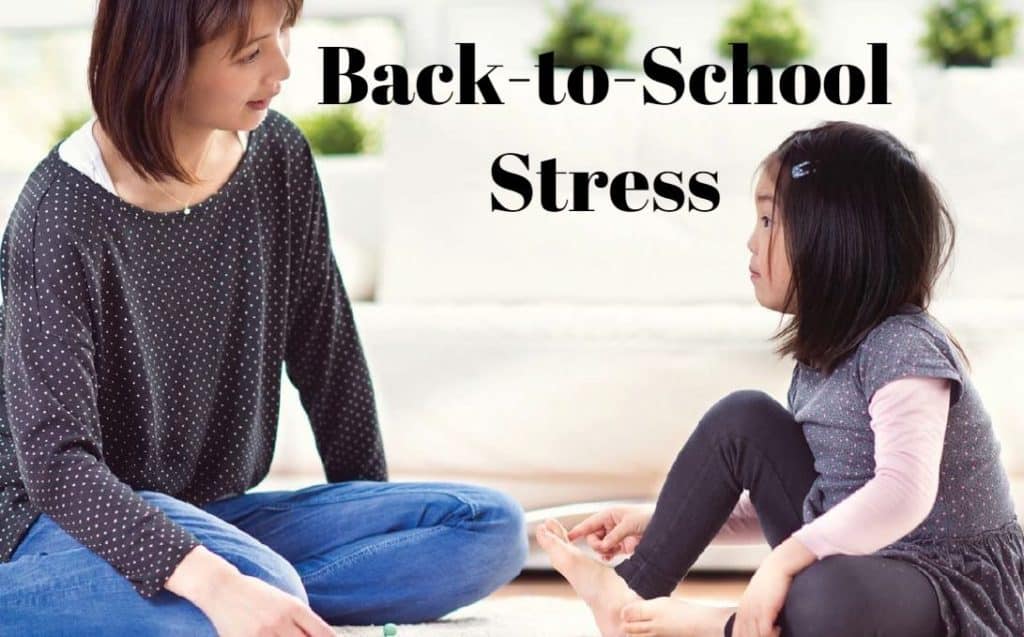
With the recent announcement of return-to-school plans, although with a minor delay, many children and parents are feeling a heightened amount of stress during this uncertain time. A teacher, a parenting coach, and a doctor gave some helpful suggestions for you to help your child prepare for September.
(Amy Tekatch, a teacher at Coghlan Fundamental Elementary in Langley BC)
Things are going to be very different, especially for returning students, but there are going to be a lot of fun things happening, Tekatch said. They are going to learn lots of new things and get to see their friends and teachers again.
“I don’t know a single colleague who isn’t looking forward to seeing their students again,” Tekatch said. “We have missed our students and teaching so much.”
Children thrive when they know the simple facts — explain what school might look like and talk about what they are and are not allowed to do, and explain why.
“They will not be sharing supplies or toys, or even desk spaces with other students,” Tekatch said. “They won’t be in close proximity to their friends. The younger ones may not have carpet time or may be confined to certain areas, and only have access to certain toys.”
If they know what to expect and understand why things have changed it will be an easier transition.
Tell them “people can have germs without knowing it, so that’s why we don’t share things or hug our friends right now, because they might have hidden germs, and we don’t want to get sick,” she said.
To help reduce your child’s anxiety and stress there are a lot of great books you can read with them.
–The Feelings Book by Todd Parr
–The Kissing Hand by Audrey Penn
–The Invisible String by Patrice Karst
One of the most important things a parent can do is try to put your own feelings of anxiety and stress to the side so your child doesn’t pick up on them.
“Trust me, as a parent, I know how challenging this can be, but oftentimes when there is a child who is particularly anxious, their parents are anxious as well,” Tekatch said. “A lot of the parent and teacher concerns that I have seen and heard are completely valid, and I share them myself,” she said. “You know the risks that you are or are not willing to take for your family. You might have vulnerable people in your “bubble” that others don’t have. Make the best decision that you can for your family.”
(Jennie Abbot, founder of Harmony Kids Yoga)
The key to reducing stress, fear, and anxiety in your kids during this time is by bringing mindfulness into your home.
“Mindfulness is the act of practicing a moment by moment awareness of how you are feeling along with observing your thoughts and bodily sensations,” she said. “You can then learn to respond to your feelings in healthy and positive ways.”
Create a mindfulness corner with some items for your child, such as a breathing ball, sensory objects, and relaxation tools like an eye pillow, a weighted blanket, and guided relaxations, she said. When they are feeling anxious they can go to their corner to take some time to calm themselves. It can also be a great place for time outs.
There are so many benefits to doing yoga with your child. It invites a deeper connection and accesses the calming centres of the brain to reduce stress and anxiety in children.
“Connecting through yoga can help to healthily process difficult feelings, so back to school worries can be expressed and acknowledged, which kids definitely appreciate,” she said.
This is a great tool to use when your child is feeling angry, sad, worried, or over-excited. You can make your own jar at home with a few simple supplies. You need hot water, glitter glue, food colouring, sparkles, and a plastic bottle. It’s also a very fun activity and easy to do.
Steps:
“Shake up the mind jar and watch the sparkles swirl as you practice deep ocean breathing (in through your nose and out through your mouth) and feel your body relax and calm down,” Abbot said.
Here is a video showing how to make your own jar.
(Dr. Rachel Skocylas, MD at 1Clinic, Toronto)
It’s so important to take the time to talk to your children about any fears or anxiety they have about going to school and normalize the fact that they might feel anxious. Encourage them to express and verbalize how they are feeling and offer lots of reassurance.
“Let them know that they are unlikely to get sick, but they still need to take all of the appropriate precautions to protect themselves,” Skocylas said. “Help them feel empowered and reinforce all the ways they can keep themselves healthy – frequent hand washing, wiping down surfaces at school, and practicing social distancing.”
Remind yourself that studies have shown children are far less likely to contract COVID-19 and if they do, it is rare that they experience significant symptoms. It is important to recognize that there are negative consequences of long term school closures on a child’s physical health, developmental health, mental health, and learning.
“Many experts have given input and the general consensus is that these negative consequences far outweigh the benefits from keeping schools closed,” Skocylas said. “With this in mind, try to change your thinking – rather than focusing on the risk of exposure, emphasize all the benefits that attending school in person will offer your child.”
Remember this — children are expected to get coughs and colds.
“When your child comes home with a sniffly nose, don’t let yourself go into panic mode.”
Quality sleep is important for immune system function — depending on their age, children need between 10-14 hours of sleep per day.
Focus on giving your children a minimally processed diet consisting of mainly whole foods such as colourful fruits and vegetables — choose fruits that are high in Vitamin C and antioxidants such as oranges and blueberries and green leafy vegetables. This will provide an abundance of nutrients that support their ability to fight off infections.
Ensure that their routine immunizations are up to date to protect them from other infections besides COVID-19.
Lastly, encourage them to practice gratitude on a daily basis – teaching children to focus on the good can help enforce a positive mindset and build resilience, and might even boost their immune system.

 The Unstoppable “Reset” Mindset
 Seamless Childcare in BC Schools Is Gaining Momentum
 2026 New Year’s Resolutions and the Personal Impact They Have on Individuals
 5 Mind-Blowing Ways to Help Your Neurodivergent Child Through BC’s Dark, Rainy January
 Curious On How To Gain More Life in 2026? VO2 Max is Your Answer
For seamless childcare to reach families province-wide, school districts need ongoing funding and policy support from the provincial government.
Childcare nutrition programs do much more than provide food—they supports the development of lifelong habits and social-emotional skills.

Choosing a preschool is one of the most important decisions parents make in their child’s early years.